Why Are Humans Fascinated By Humanoid Robots?
Table of Contents
Why are humans fascinated by humanoid robots? The fascination humans have with humanoid robots is not simply about “liking the human form.” It encompasses cognitive shortcuts, practical adaptation, psychological mirroring, cultural dreams, and emotional companionship. This article will explore both the rational and irrational factors behind the question, “Why are humans fascinated by humanoid robots?”
Why Are Humans Fascinated by Humanoid Robots?-Analysis of Rational Factors
Environmental Adaptation Perspective
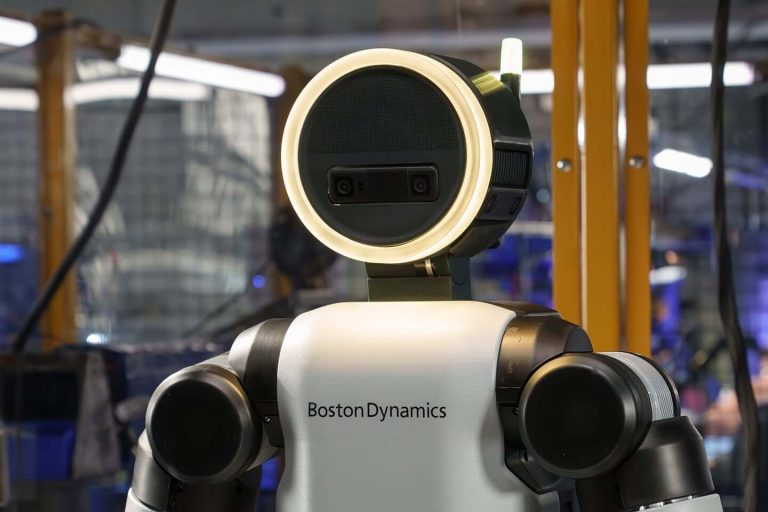
Every detail of human civilization is constructed around the “human form”: the height of tables and chairs is tailored for sitting, the position of doorknobs is designed for reaching out, and the steps on staircases are adapted to human stride. The core advantage of humanoid robots lies in their ability to “adapt machines to the human world,” rather than the other way around. In industrial settings, they can directly utilize human tools like wrenches and keyboards, fitting seamlessly into existing workspaces; in service roles, hotel robots can autonomously navigate stairs and open doors without dedicated passages, proving more flexible than tracked robots.
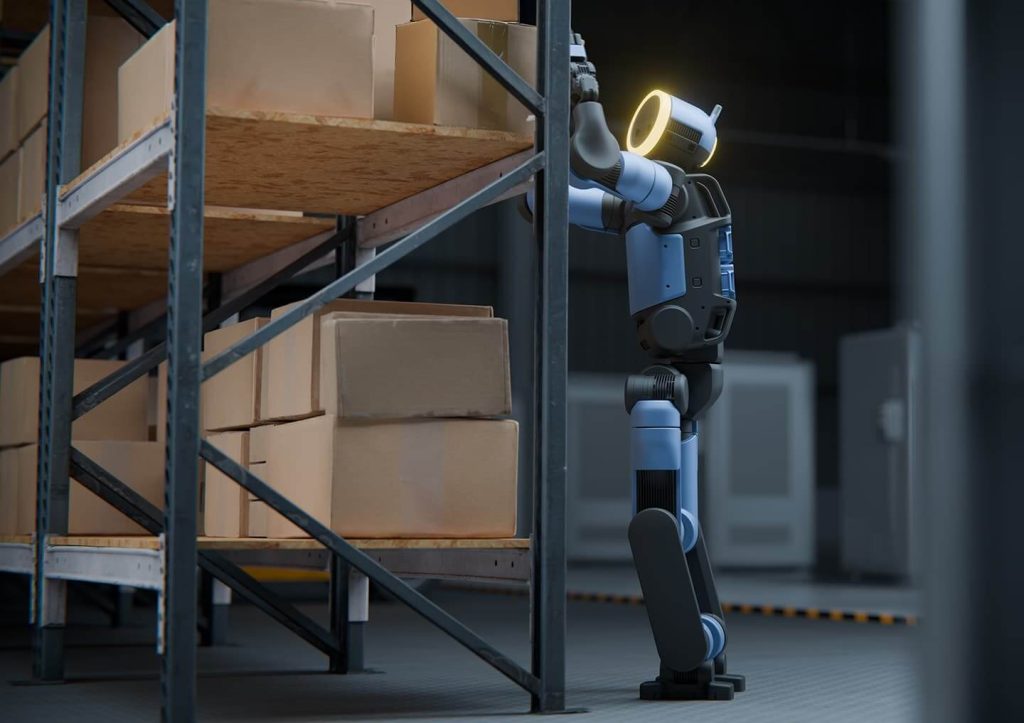
Every human action—such as the force control when picking up paper, the sequence of organizing a room, and the body language used in interactions—holds hidden “environmental understanding codes.” Because the bodily structure of humanoid robots resembles that of humans, they can efficiently collect data through video learning and human demonstrations. This “morphological consistency” significantly enhances data collection efficiency.
Technological Perspective
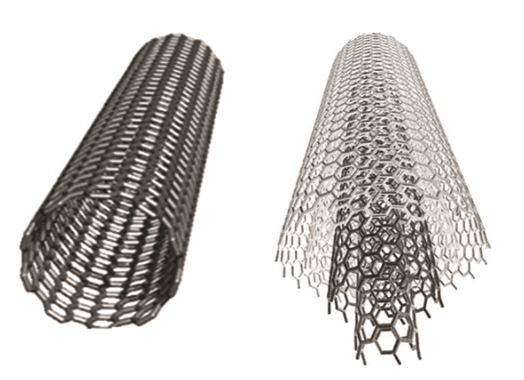
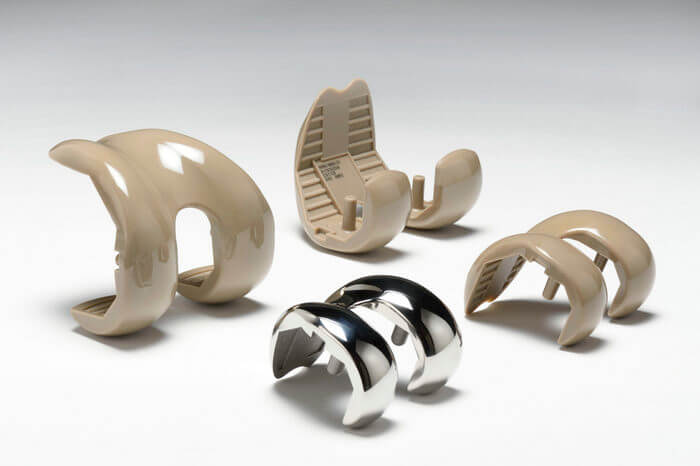
The development of humanoid robots merges technologies from various fields, including mechanical engineering, electronics, artificial intelligence, and materials science. Their advancement drives innovation in related technologies such as high-precision motion control, tactile perception, and energy management.
Humanoid robots have also propelled the development of sensors; modern flexible sensors can have over 100 contact points per square centimeter, capturing micro-pressure signals with millisecond response times. They have facilitated advancements in axial flux motors, achieving power densities of 8-28 kW/kg, which is 5.6 times that of top radial motors, while addressing cooling challenges at high power densities. To meet the requirements of humanoid robots for lightweight, high-strength, and impact resistance, the flexural modulus of glass fiber-reinforced PC/ABS can be increased to over 3000 MPa, and the heat distortion temperature can be raised to over 140°C, enabling it to be used in high-stress areas such as robot joints.
Emotional Perspective
In a sense, emotions drove the emergence of the question, “Why are humans fascinated by humanoid robots?”
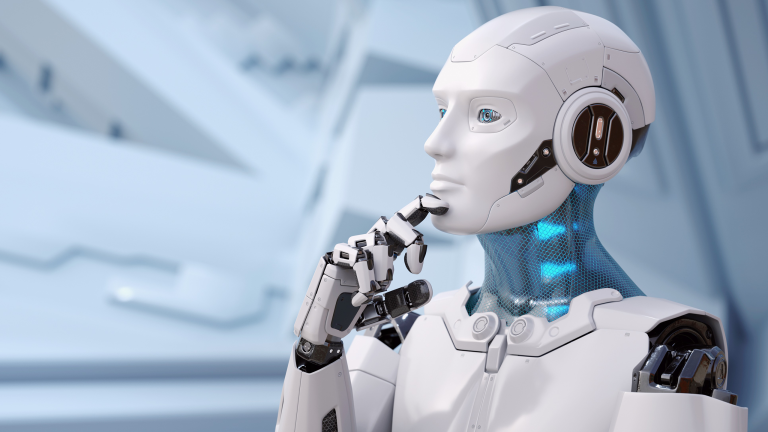
Humans are inherently equipped with a “human shape recognition system.” From an evolutionary standpoint, ancestors judged companions’ emotions through facial expressions and identified intentions through body postures, embedding this sensitivity towards humanoid forms in our genes as an instinctive cognitive ability. When robots exhibit human-like forms, this “natural compatibility” becomes evident: their eyes can convey attention, hands can perform familiar actions such as hugging and passing items, and their faces can simulate smiles and comforting emotional signals. This transforms robots from cold tools into entities capable of empathy. A humanoid robot’s nod or furrowed brow can establish emotional connections that other forms of robots cannot replace.

As social animals, humans seek emotional connections based on a sense of “being understood and seen as equals.” While robotic vacuum cleaners can maintain cleanliness, they cannot provide “companionship akin to that of a peer.” In contrast, humanoid robots engage through facial expressions and body language, filling this void. This need is especially pressing in modern society, where more people live alone.
Philosophical Perspective
Humanoid robots have always represented humanity’s “self-mirror”—we create them not only to extend our capabilities but also to question “the essence of being human.” When robots can walk, think, and express emotions, a series of philosophical inquiries naturally arises: What is consciousness? Are feelings exclusive to biological entities? Where lies the boundary between humans and machines? They also embody humanity’s aspiration to transcend its own limitations. Features like fatigue resistance and adaptability to extreme environments make robots an “extended version of ourselves.” By creating humanoid robots, contemporary humanity is essentially exploring infinite possibilities for the future through an “alternate self.”
Historical Perspective
The human obsession with humanoid forms dates back centuries. In the 15th century, Leonardo da Vinci designed a mechanical knight that could sit, stand, and wave its arms, showcasing an impressive system of gears and levers. In 1738, French craftsman Vaucanson’s “flute-playing youth” not only played twelve melodies but also mimicked breathing with the rising and falling of its chest, nearly indistinguishable from a real living being. These early explorations embedded the cultural genes linking ‘humanoid’ with ‘automation,’ providing historical context to the question, “Why are humans fascinated by humanoid robots?”

Why Are Humans Fascinated by Humanoid Robots?-Analysis of Irrational Factors
Why are humans fascinated by humanoid robots? The irrational factors behind this question should not be ignored either.
Efficiency
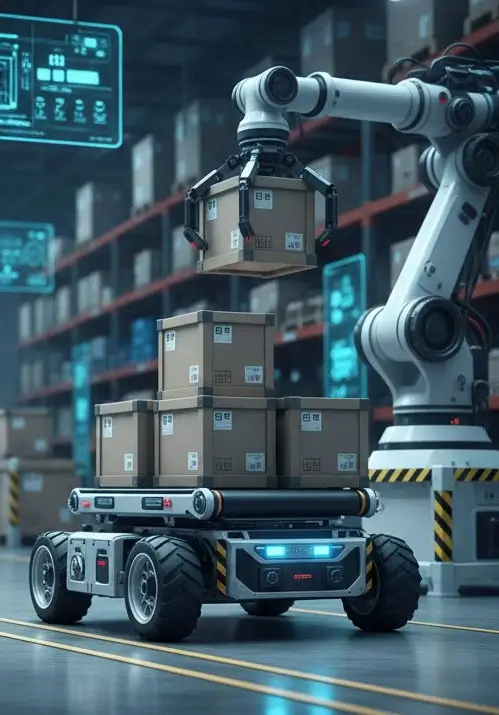
Human bodily structure is not the “optimal solution,” but rather the result of biological evolution. Humanoid robots may sacrifice performance; for instance, bipedal walking consumes more energy than wheeled or tracked movement, and the complexity of hand joints may result in less stable grasping compared to specialized grippers. In industrial production and logistics settings, specialized robots (like robotic arms and wheeled transporters) can achieve higher efficiency, stability, and cost-effectiveness through targeted design. For example, wheeled robots in warehouses can move goods rapidly, far exceeding the efficiency of humanoid robots.
Emotional Substitution
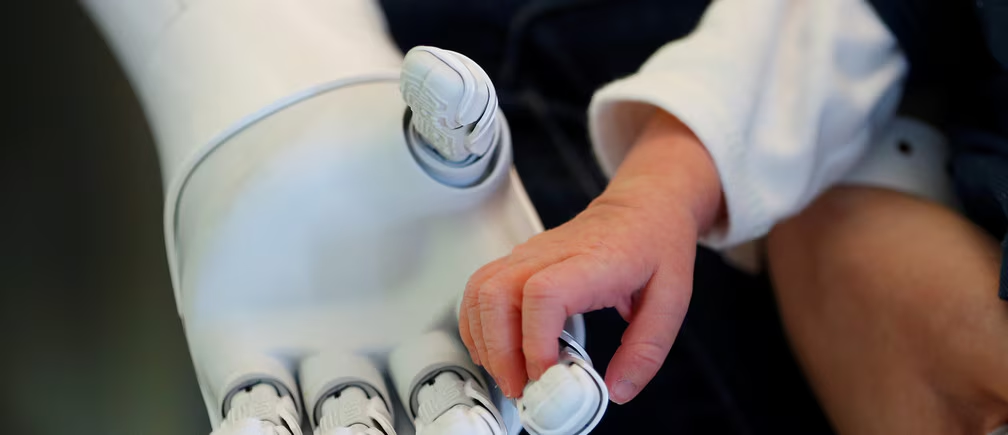
Humanoid robots may seem closest to humans, yet are fundamentally distant. They are crafted by humans to serve them. In terms of perception, humanoid robots fall short compared to animals, and they are less organic than plants. They resemble “stones”—devoid of sensation and life—yet are not ordinary “stones” as they may possess intelligence comparable to, or exceeding, human faculties. The emotional expressions simulated by humanoid robots could be misinterpreted as genuine feelings, leading users to develop unrealistic expectations or emotional delusions. Should humanoid robots become the mainstream form of companionship, this could exacerbate social distancing among humans.
Why Are Humans Fascinated By Humanoid Robots?—Solutions
In seeking to provide better answers to “Why are humans fascinated by humanoid robots?” and to promote responsible technological development, the frontier is exploring the following pathways:
Emotional Transparency Protocol
This protocol aims to position robots as “emotional assistive tools” rather than “emotional substitutes,” clearly revealing the artificiality, mechanisms, and boundaries of emotional interactions with robots to prevent users from developing emotional delusions or excessive reliance, thus fostering healthy human-robot relationships. Protecting users’ mental health promotes responsible technological development. For example, displays on robots could clearly indicate, “Current expression is program-generated.” Additionally, allowing users control over the depth of emotional engagement could further enhance interactions by letting them set the “emotional participation level” of the robot.
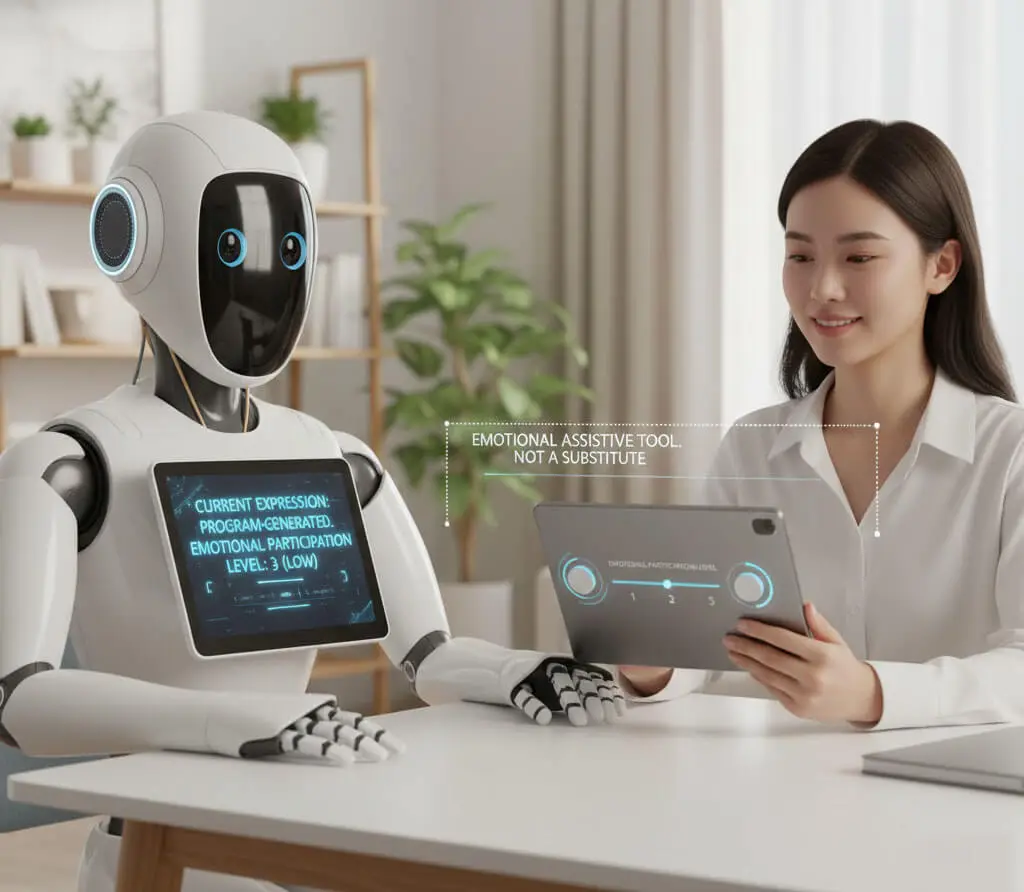
When answering the question, “Why are humans fascinated by humanoid robots?”, human emotions are complex. We both desire a sense of closeness with humanoid robots, while simultaneously wanting to maintain the boundaries between humans and machines, and not wanting human-robot interaction to replace genuine human-to-human relationships.
Hybrid Form Design
Hybrid form design aims to break away from the obsession with a “fully humanoid” form, flexibly combining different morphological elements based on specific contexts and task requirements to achieve an optimal balance of functionality, efficiency, and relatability. Future robots will have a core torso (containing computing units), while limbs and end-effectors (hands, feet) can be rapidly interchanged like Legos. In a streamlined warehouse, robots could switch to wheeled bases for efficient movement, while in an office setting, they could adopt bipedal modules to navigate stairs.
Recommended Related Reading from AI Robots Eidos
AI Robots Eidos has always maintained an optimistic attitude towards the development of the robotics industry. At the same time, to promote a more comprehensive understanding of the topic among our readers, we recommend reading another article on this subject, hoping it will be helpful.
Does Embodied Intelligence Have To Resemble Humans?
We also encourage more readers to discuss “Why are humans fascinated by humanoid robots?”
Image Credits: Thelocal & Wikipedia & Weforum & AI & Boston Dynamics