What Are the Trends in Robot Applications?
Table of Contents
What Are the Trends in Robot Applications? Let’s start with an experience
Robot Applications Around Us
Last month in Beijing’s Yizhuang district, I took a trial ride in an Apollo autonomous taxi. After ordering via a mobile app, a black taxi pulled over promptly. There was a safety operator in the front passenger seat, but he did not touch the steering wheel throughout the journey.
The car drove smoothly on the open roads of Yizhuang, automatically handling complex situations like traffic lights, lane changes, and yielding to pedestrians. The strongest impression was how “law-abiding” it was—its driving style resembled that of a cautious, experienced driver. About ten minutes later, we arrived safely at our destination.
This experience made me feel that autonomous driving, in some parts of Beijing, is already a future within reach.
As artificial intelligence increasingly enters the physical world, future trends in robotics applications will involve sharing our lives in the forms of embodied robots, autonomous vehicles, and the industrial internet.
Humanoid Robot Applications
When we hear the word “robot,” many still instinctively think of the human-like “androids” common in science fiction. In reality, a robot’s form is typically more suited to its specific designed task—for example, automated vehicles for delivery, mobile lifts for warehouse work, and robotic arms for production lines and assembly.
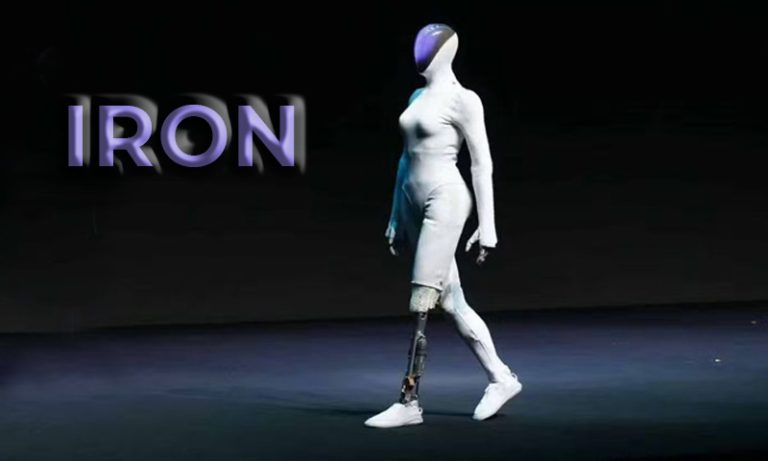
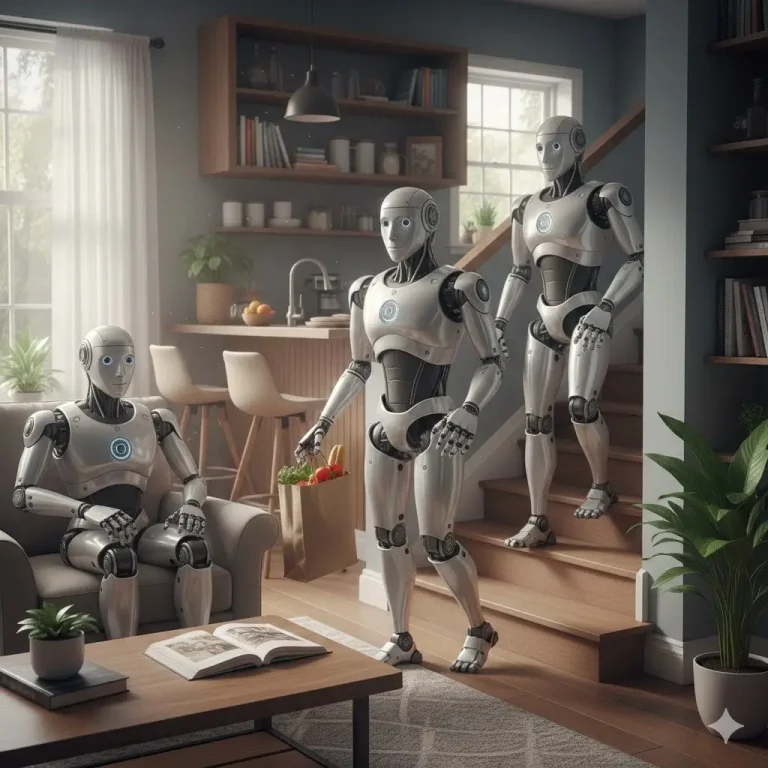
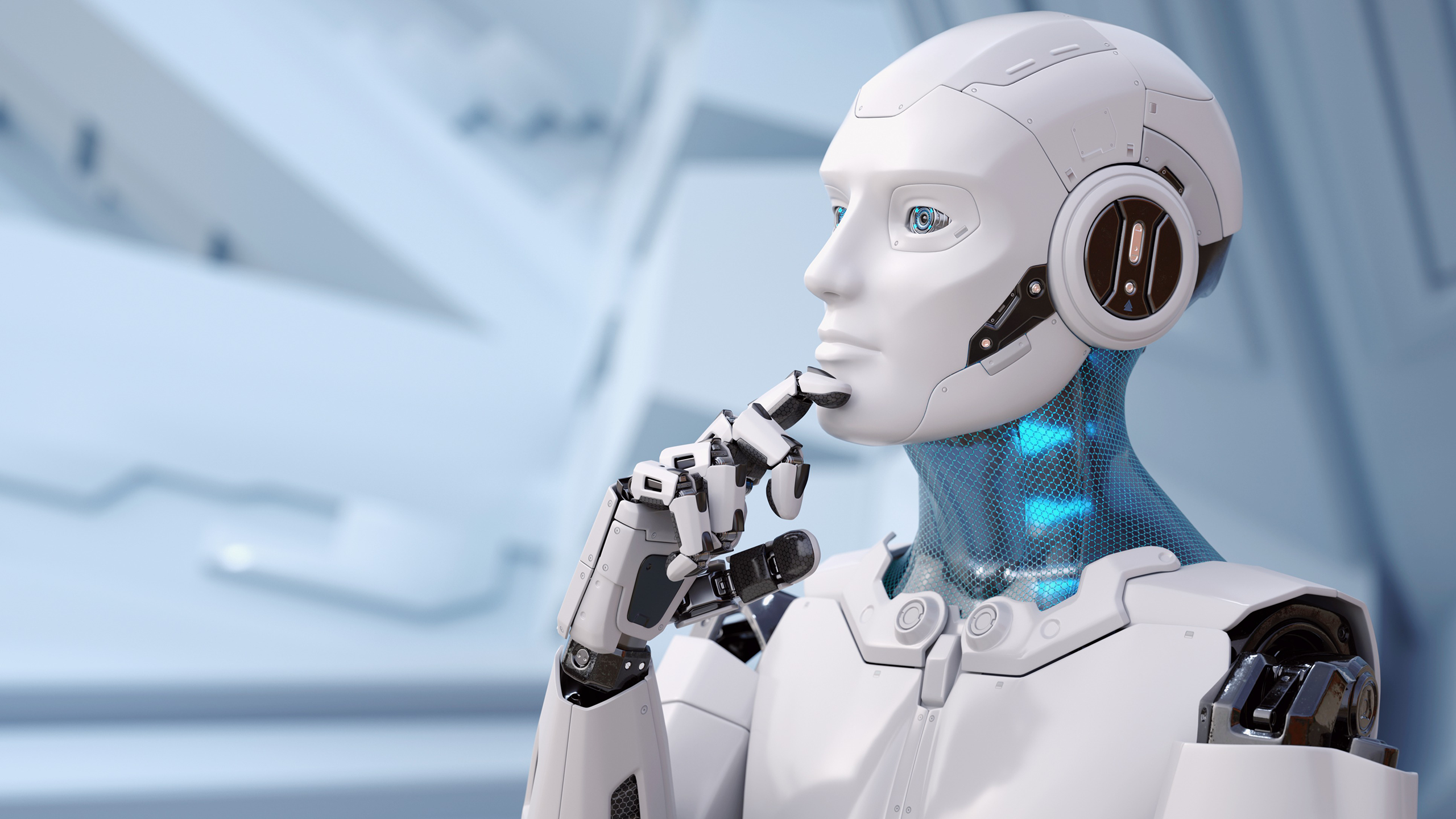
This will begin to change in 2026, as humanoid robots become increasingly common in workplaces and even homes. This shift isn’t surprising—animating humanoid robots is far more complex than basic machinery, and controlling them requires sophisticated AI that has only recently emerged. But they are also more flexible, adaptable, and versatile—one reason why the humanoid form is so successful from an evolutionary perspective.
Precisely because of this, as machines become able to leverage AI in increasingly general ways to perform multiple different tasks rather than focusing on just one, the humanoid form will become the preferred shape.
Collaborative Robot Applications
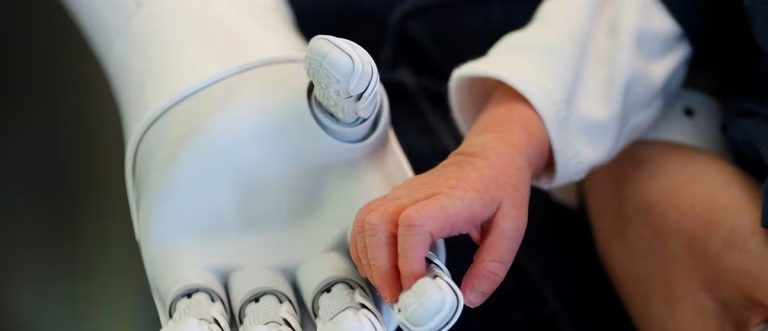
Cobot, short for collaborative robot, is designed to share a space or work side-by-side with human workers. In recent years, they have become increasingly common in high-tech industrial settings, performing manufacturing and logistics tasks. As the technology matures and prices fall, it will also become a viable option for small and medium-sized enterprises (SMEs) by 2026.
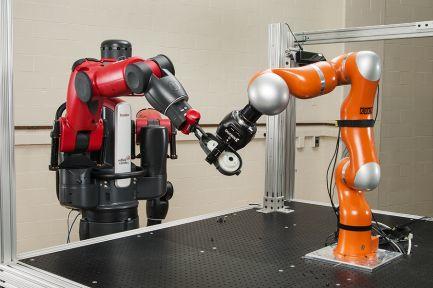
The cobot market is expected to reach nearly $30 billion by 2035. In industrial settings, we will increasingly see them serving food and drinks (as at the recently opened Tesla restaurant), cleaning public spaces, and even providing companionship to the elderly and homebound.
Robot Applications in Autonomous Driving
The development and deployment of autonomous taxis have made significant strides. By 2026, more people than ever may experience urban driving without human intervention. Residents in cities like San Francisco, Phoenix, and Austin in the US; Beijing, Wuhan, and Chongqing in China; and Abu Dhabi in the UAE already enjoy operational services.
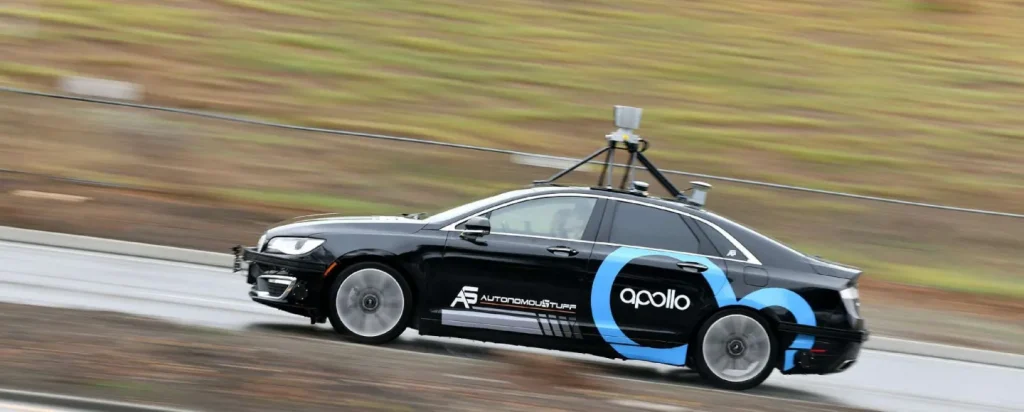
Furthermore, pilot or operational services are planned for launch in 2026 in many other regions, including Dubai, Europe, and South Korea.
Governments may still need time before they are ready for us to own fully autonomous vehicles. But companies that can demonstrate their safe operation will make them part of our daily lives in the coming year.
Robot Applications in Construction and Engineering
While the industry is beginning to recognize AI’s impact on information and customer service work, how it will affect manual labor and trades remains less clear. This is especially true for tasks requiring high levels of physical dexterity, such as construction, plumbing, and engineering. However, this may be changing as the industry begins to master breakthrough technologies like the bricklaying robot Hadrian X and the Baubot MRS15 for drilling and installing cables and pipes.
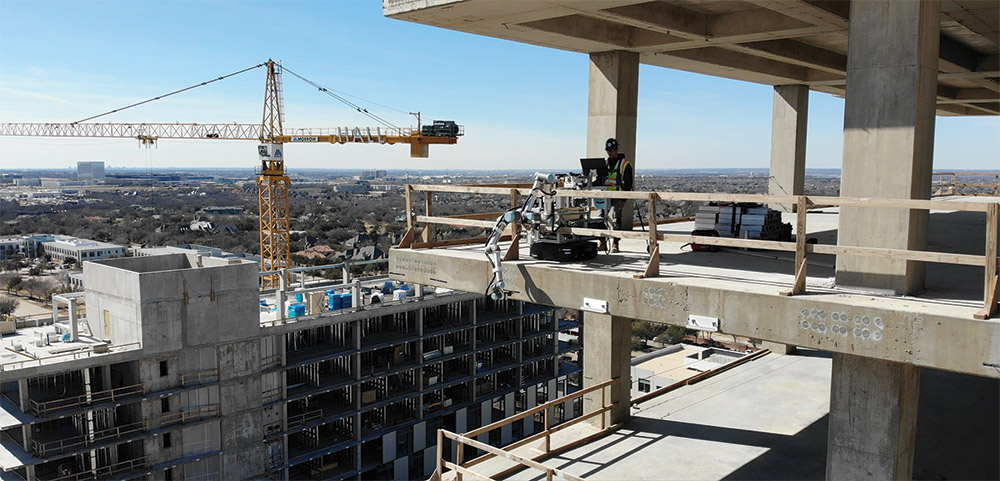
Robots may soon be commonly used for tasks like surveying, inspection, and demolition, reducing human exposure to hazardous environments. One study found that construction-focused robots could potentially reduce repetitive human workload by 25% to 90%, while cutting time spent on dangerous tasks by 72%. By 2026, we may see steady growth in real-world use cases.
The shift from digital AI to physical AI represents one of the most transformative technological changes of our generation. Robotics applications are moving from experimental concepts to everyday reality. We as individuals must prepare for a world where AI not only processes information on screens but also actively shapes our physical environment through increasingly capable machines.
Insights From AI Robots Eidos about Robot Applications
| Emotional Interface Design: Robots will no longer focus solely on functional efficiency; instead, they will establish trust by mimicking human micro-expressions, vocal intonations, and even “humanoid hesitance,” allowing users to more naturally accept robots into their personal space.
| Dynamic Morphology Revolution: Future robots may break free from fixed forms and adopt modular reconfigurable designs (such as detachable robotic arms and wheeled chassis) to adaptively change structure in real-time according to tasks, achieving multifunctionality.
| Ethical Explicit Design: Future robots will incorporate explainable ethical decision-making modules (for example, visualizing the weight logic in yielding algorithms) to alleviate public concerns about autonomous systems.
A Core Trend in Robot Applications: Robots will evolve from “tools that replace humans” to “participants that reconstruct human-robot relationships.”
Image Credits: Thedailyupside & Nist & Syncedreview & Enr & Web