Does Embodied Intelligence Have To Resemble Humans?
Table of Contents
The question of “Does embodied intelligence have to resemble humans?” is a common inquiry from newcomers to the field. The author’s stance on this matter is that it does not necessarily have to. The form of embodied intelligence should be chosen flexibly based on actual needs, and humanoid embodied intelligence is not the only pathway. With future technological developments, embodied intelligence will present a variety of forms to serve different scenarios and requirements.
What Is Embodied Intelligence?
Embodied intelligence emphasizes not only the cognitive capabilities of large models but also the process of perceiving, trial-and-error, and interacting with the environment through the body. For example, when you twist a bottle cap or navigate through a crowded area, these actions involve not just mental calculations but also the movements of joints and the sense of touch of the skin—these “physical attributes” aid in the process as well. The capabilities that embodied intelligence aims to achieve are these intertwining functions. This concept, which ties the body and cognition together, is called “embodied cognition,” and it is referred to as “embodied intelligence” in the robotics field.
Contrasting Embodied Intelligence With Traditional Approaches
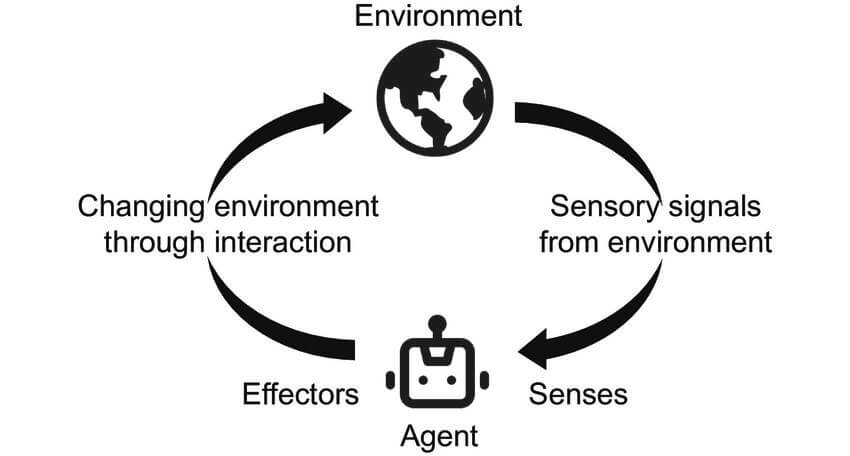
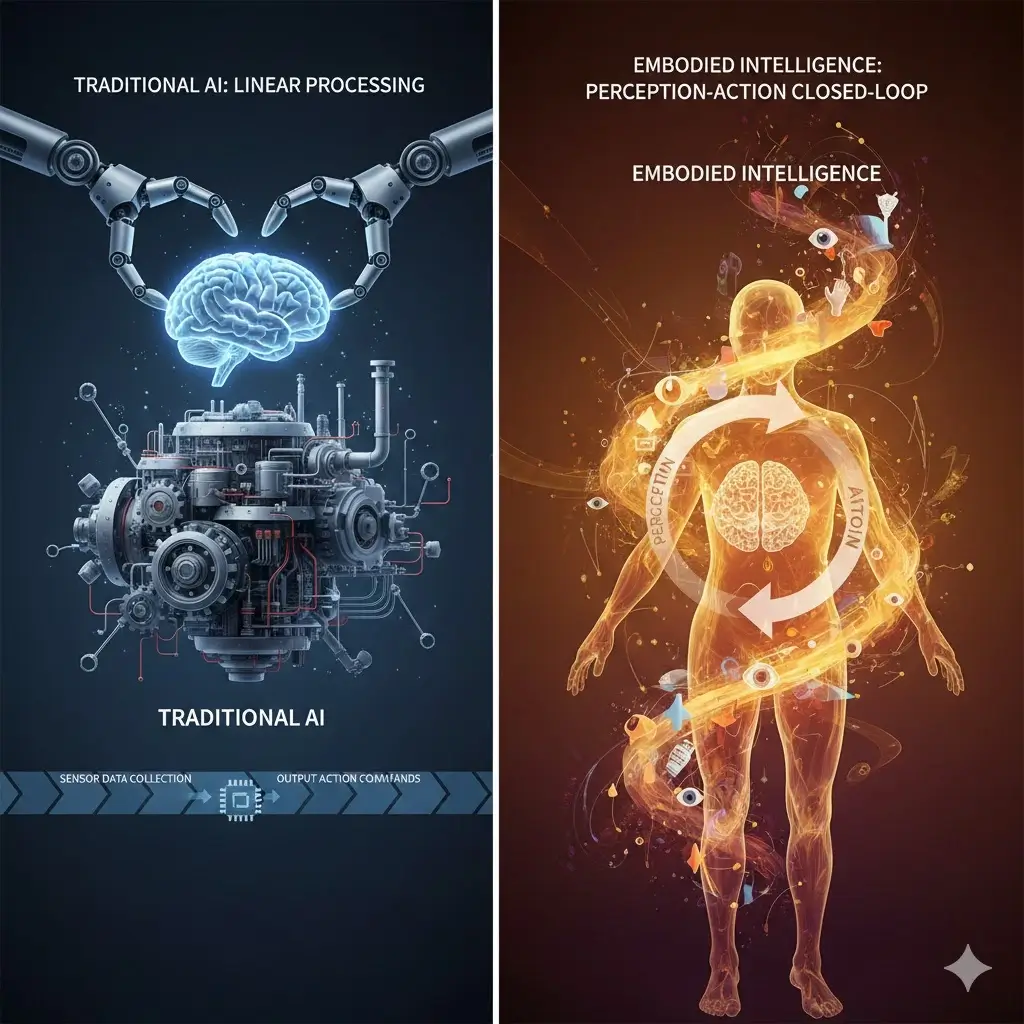
Compared to the traditional mindset of “implanting a brain into machines,” embodied intelligence takes a clearly higher-level focus. Traditional mechanical systems follow a linear process of “sensor data collection — central algorithm processing — output action commands,” whereas the core of embodied intelligence is to construct a closed-loop link between perception and action.
For instance, when a robot descends stairs, visual cameras, foot tactile sensors, the control center, and leg mechanisms collectively determine whether it can descend safely. Physical details like leg length, joint elasticity, and foot shape significantly influence the formulation of control strategies and the efficiency of autonomous learning. Viewing these elements as a holistic consideration can greatly reduce the system’s computational load and make the overall operation more robust and efficient.
How Does Body Shape Influence Embodied Intelligence?
Before addressing the question of ” Does embodied intelligence must resemble humans?”, it’s crucial to understand why body shape influences embodied intelligence.
For embodied intelligence, the body itself can perform part of the “computation,” which is commonly referred to as “morphological computation.” For example, a leg with springs can store energy while running and release it later, reducing the amount the controller needs to adjust in real-time. Soft robots can use passive deformation to adapt to complex terrains, with material properties completing part of the sensing and adjustment tasks. These are examples of the body calculating using physical laws, thereby alleviating the burdens of higher-level control and learning.
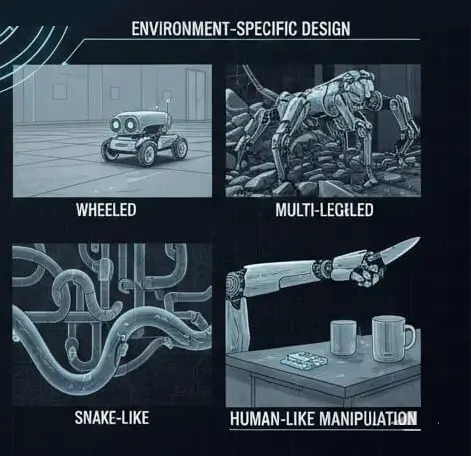
Human and animal behavior logic does not involve first clearly understanding the world before deciding what to do; instead, it involves perceiving the world through continuous probing. A grasping motion will adjust the position and force of the fingers as tactile feedback arrives. If a robot can tightly couple perception and action, it can complete complex tasks with fewer sensory data and simpler models. The design of embodied intelligence must integrate sensor placement, mechanical structures, and control algorithms, referred to as the collaborative design of body and control.
Different tasks and environments naturally suit different body shapes. For inspections on flat surfaces, wheeled platforms are energy-efficient and reliable. In complex outdoor environments, quadrupedal or multi-legged robots are more suitable due to their ability to overcome obstacles. Inside narrow and complex pipelines, soft snake-like robots find it easier to pass through of which determines the shape of embodied intelligence. Moreover, many tools and furniture in scenarios like kitchens and offices are designed for humans; therefore, if machines have hand-like features and a similar range of movement, they can more conveniently use existing tools.
Does Embodied Intelligence Have to Resemble Humans?
By this point, readers should have arrived at an answer to the question of “Does embodied intelligence have to resemble humans?” Not necessarily!
Whether embodied intelligence should be humanoid depends on factors such as tasks, environments, interaction objectives, and cost-effectiveness. In many practical applications, non-humanoid designs may be simpler, more reliable, more economical, and better tailored to meet needs.
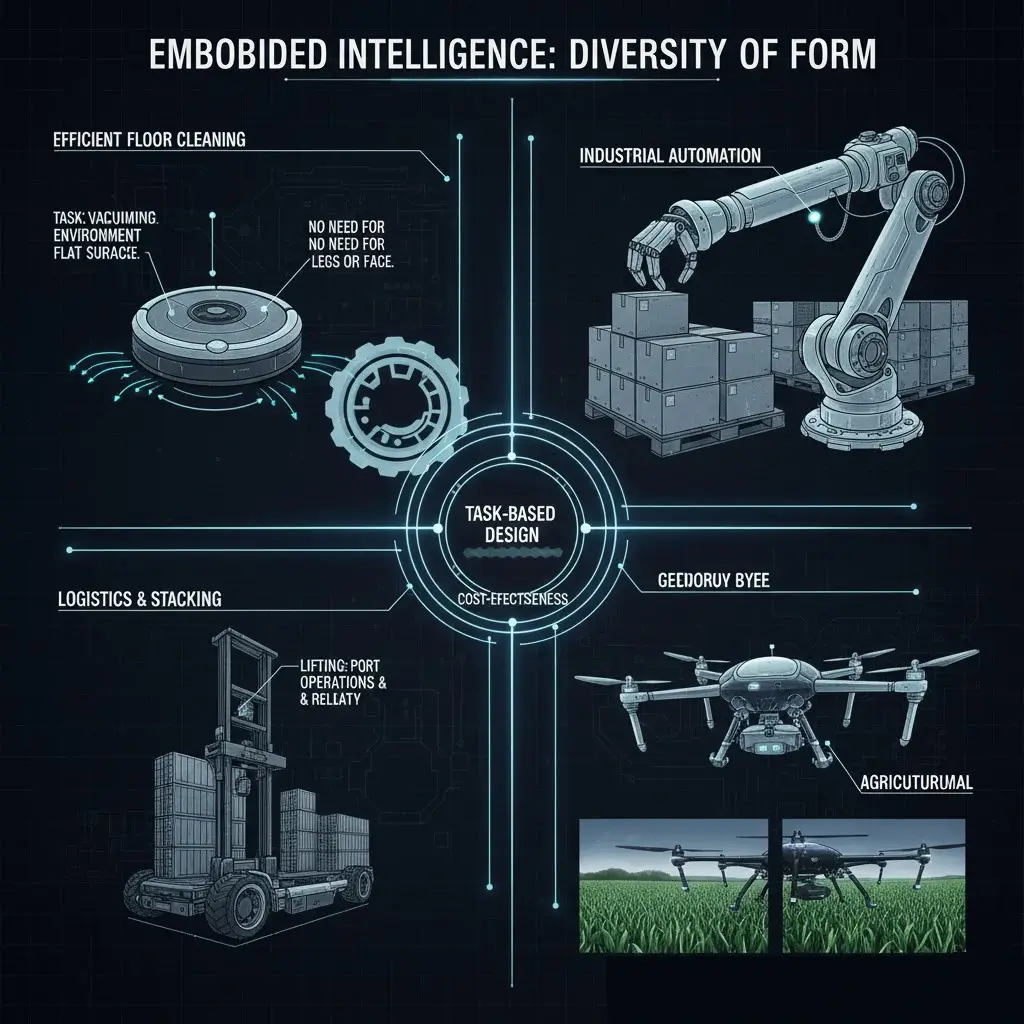
A vacuuming robot only needs to move on the ground, avoid obstacles, and vacuum without requiring two legs or a face. Mechanical arms that move boxes in warehouses, automated stackers in ports, and agricultural drones for crop protection are all scenarios for embodied intelligence, but they come in various forms and do not need to mimic human appearance.
The specific environment and task are the most powerful factors in answering the question, “Does embodied intelligence have to resemble humans?”
Further Exploration of The Question, “Does Embodied Intelligence Have To Resemble Humans?”
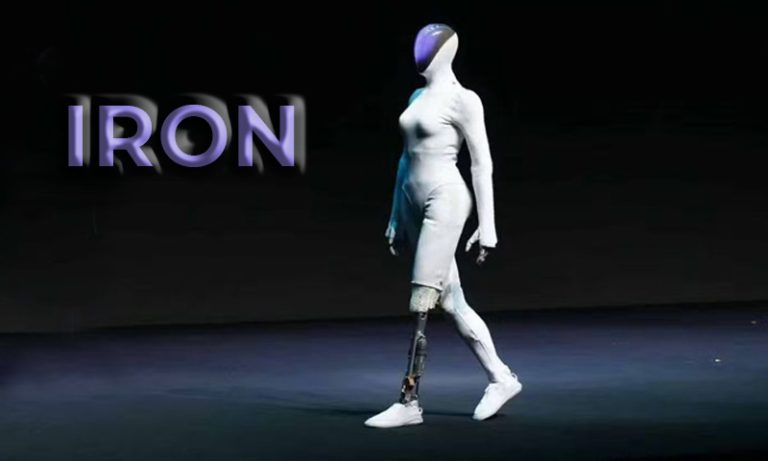
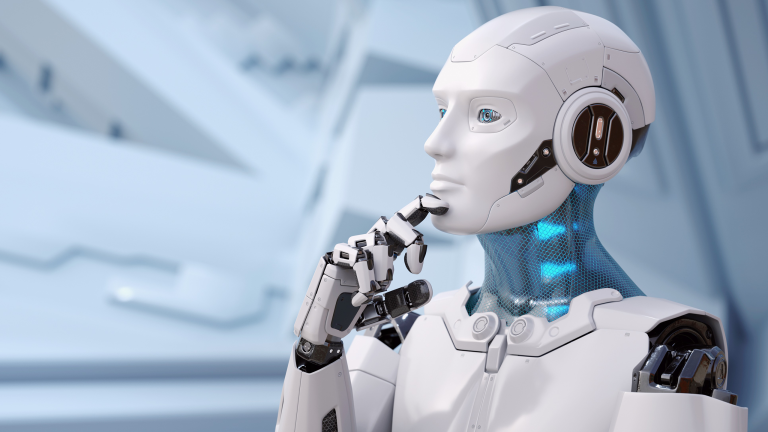
Now that we have an answer to the question, “Does embodied intelligence have to resemble humans?”, why do many robot release events prefer to exhibit “humanoid” robots? To answer this question, one must understand some advantages of humanoid embodied intelligence.
| Convenience of social interaction: When robots assume roles for companionship or reception, humans tend to understand and evaluate each other using human-like communication methods. If robots can replicate social signals such as facial expressions, language, and gestures, it makes them easier for non-specialist users to accept and trust.
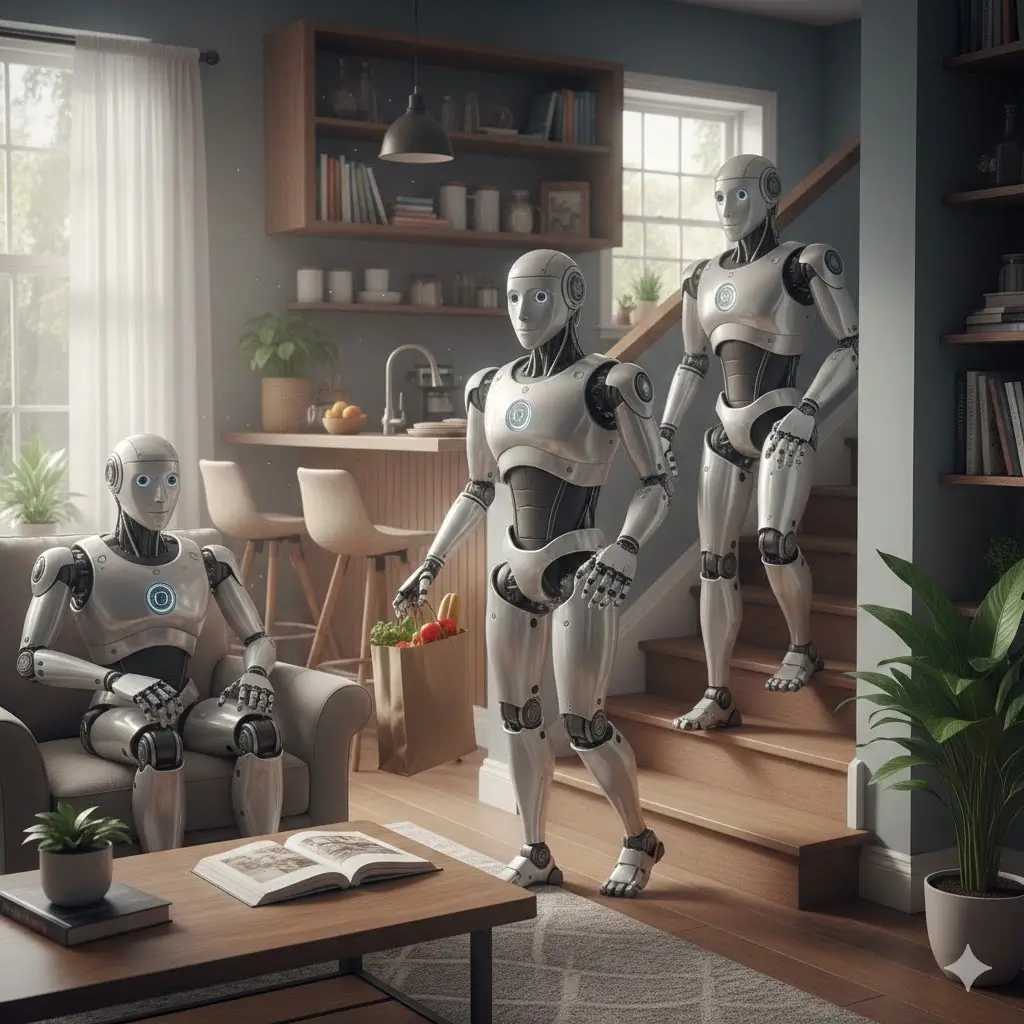
| Environmental friendliness: Existing human environments naturally favor “humanoid” designs, as doorknobs, steps, and seats are designed with human dimensions and operational habits. If robots are expected to operate directly in existing environments, mimicking human hands and arms would make them more adaptable.
| Cultural and aesthetic considerations: Research teams might wish for “robots to resemble humans” as a selling point for products to attract more discussion.
Although many companies champion humanoid embodied intelligence, such designs come with significant challenges. Human-like designs impose higher requirements in mechanical control, stability, energy consumption, and reliability. Achieving balance control in bipedal walking is inherently difficult, and creating a joint that is both flexible and durable requires complex sensors and high-performance actuators, leading to high overall costs. Therefore, it is not easy to give a definitive “YES” to the question, “Does embodied intelligence have to resemble humans?”
In contrast, human designs are often inspired by diverse forms found in nature. The aerodynamics of birds offer different solutions for flight, while the streamlined shapes of fish are suited for underwater propulsion. This illustrates that imitating characteristics of certain animals can provide advantages, but it is not necessary to emulate humans. The design of embodied intelligence should also be functional rather than solely based on the aesthetic goal of “looking human.”
We also welcome readers to engage in discussions on the topic of “Does embodied intelligence have to resemble humans?”
Insight from AI Eidos Robots about Does Embodied Intelligence Have To Resemble Humans
We would like to explore the possible evolution of the question “Does embodied intelligence have to resemble humans?” from the perspective of the relationship between the physical form of embodied intelligence and the external environment, with a forward-looking approach to future developments.
| Dynamic body forms: Future breakthroughs may lie in modular and morphable bodies. Imagine a robotic swarm composed of miniature units that can dynamically reconfigure between “wheeled transportation mode,” “quadrupedal climbing mode,” and “mechanical arm operation mode” according to task requirements.
| Shaping the environment: Advanced embodied intelligence of the future will be capable of real-time transformation and construction of local micro-environments to adapt to their forms. For instance, a team of heterogeneous robots could collaborate to quickly build a temporary ramp or passageway, allowing non-climbing robots to navigate complex terrains. The relationship between the agents and the environment shifts from “unidirectional adaptation” to “bidirectional construction.”
Image credits: researchgate & AI