
Table of Contents
Engineering plastics in humanoid robots are primarily focused on aspects of lightweighting, high performance, and reliability. With technological advancements and cost reductions, the application of high-performance engineering plastics will further expand, promoting the lightweighting and performance enhancement of humanoid robots.
Definition of Engineering Plastics
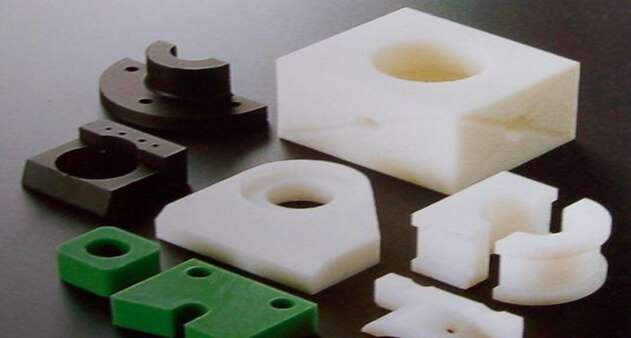
Engineering plastics refer to a category of high-performance polymer materials that can serve as structural materials, withstand mechanical stress over a wide temperature range, and be used in relatively harsh chemical and physical environments. These materials possess excellent comprehensive properties, including high rigidity, low creep, high mechanical strength, good heat resistance, good electrical insulation, etc.
They can be used long-term in demanding chemical and physical environments and can replace metals as engineering structural materials. Common engineering plastics used in humanoid robots include Polyether Ether Ketone (PEEK), Polyamide (PA, Nylon), Polyphenylene Sulfide (PPS), PC/ABS alloy, Liquid Crystal Polymer (LCP), and Ultra-High Molecular Weight Polyethylene (UHMW-PE).
Types of Engineering Plastics in Humanoid Robots
Polyether Ether Ketone (PEEK)
Belonging to the Polyaryletherketone (PAEK) family, it is a crystalline aromatic thermoplastic polymer composed of phenylene rings connected by ether and carbonyl groups. It is recognized as one of the highest-performance thermoplastic materials globally, with primary properties superior to metals and other plastics.
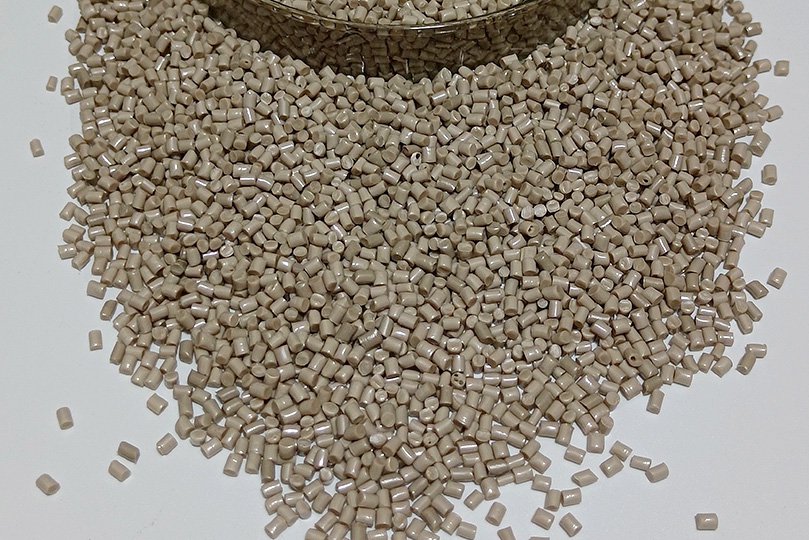
PEEK has well-rounded performance, with rigidity surpassing most special engineering plastics. It excels in toughness, heat resistance, wear resistance, and corrosion resistance. Its specific strength is much higher than that of ordinary metals like steel and aluminum alloys. Therefore, under the premise of meeting strength requirements, it can significantly reduce the material’s own weight, making it a solution for lightweighting.
Polyamide (PA, Nylon)
Also called polyamide, it is a general term for thermoplastic resins whose main molecular chains contain repeating amide groups (-NHCO-). The products are widely used, covering almost every field, making it the most widely used variety among the top five engineering plastics. It has low density, high mechanical strength, stiffness, hardness, and toughness, good aging resistance, excellent mechanical vibration damping, along with good sliding properties, excellent wear resistance, machinability, and dimensional stability. Its drawback is strong water absorption.
The main nylon materials used in humanoid robots are PA66 and PA6.
PC/ABS
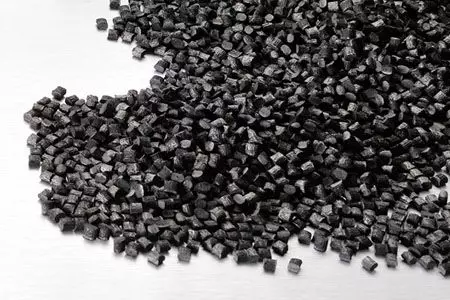
PC-ABS is a thermoplastic from Polycarbonate (PC) and Acrylonitrile Butadiene Styrene (ABS). It combines the excellent heat resistance, weather resistance, dimensional stability, and impact resistance of PC resin with the excellent processing fluidity of ABS resin. It is suitable for thin-walled and complex-shaped products, maintaining excellent performance and moldability.
Polyphenylene Sulfide (PPS)
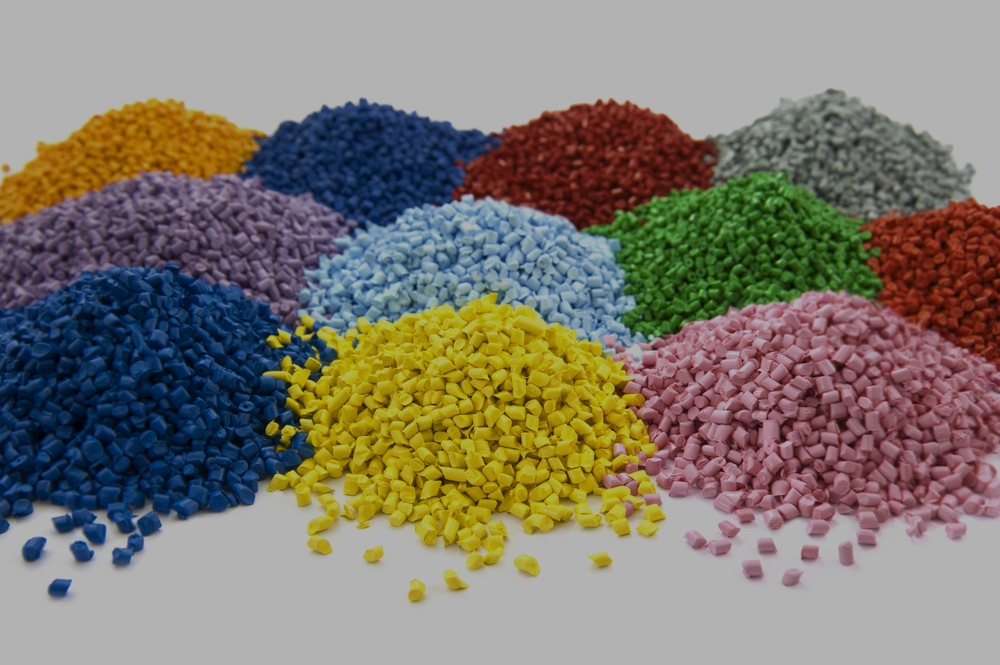
It is a semi-crystalline, high-temperature-resistant engineering thermoplastic. Its notable features include outstanding dimensional stability and chemical resistance, along with excellent mechanical properties, electrical insulation, flame retardancy, wear resistance, and thermal stability. It is a material with moderate cost but advanced performance.
In humanoid robots, PPS material can replace traditional metal parts via injection molding, significantly enhancing the lightweighting and high-temperature resistance of core components like joint modules, providing technical assurance for long-cycle, high-load robot operation.
Liquid Crystal Polymer (LCP)
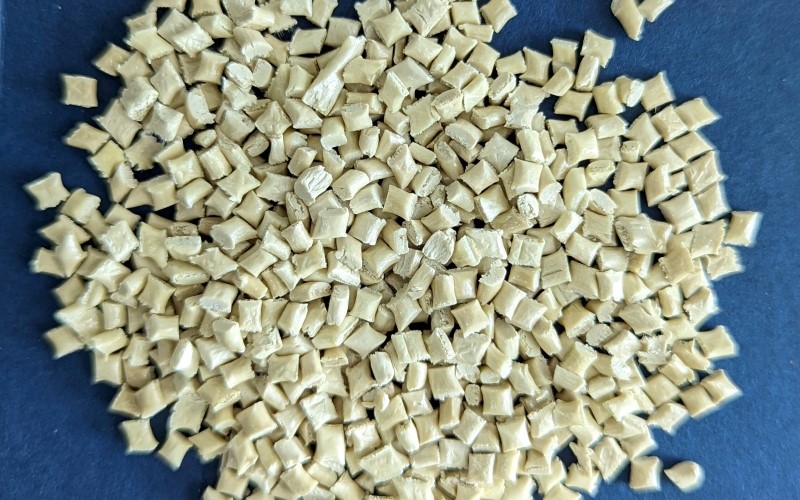
It is a thermoplastic polymer material that exhibits liquid crystal characteristics when in a molten state. Its characteristic is that the molecules have a high molecular weight and an oriented order. LCP has low viscosity and is highly oriented when existing in the liquid crystal phase, and this morphology can be stably maintained after cooling and solidification.

Overall, LCP material possesses excellent properties such as high mechanical strength, good fluidity, good dimensional stability, low moisture absorption, high-temperature resistance, low dielectric constant, and low dielectric loss. It is suitable for precision components and is one of the best material choices for micro-motors and high-frequency signal connectors.
UHMWPE (Ultra-High Molecular Weight Polyethylene)
UHMWPE is a linear-structured thermoplastic engineering material with excellent comprehensive performance.
UHMWPE fiber is a high-performance fiber made from polyethylene as a raw material through gel spinning and ultra-drawing technology. It integrates numerous superior properties like ultra-high strength, ultra-lightweight, high modulus, and high resistance. It currently has the highest specific strength and specific modulus of any fiber in the world and represents a new generation of high-performance fibers following carbon fiber and aramid fiber.
Performance Comparison of Engineering Plastics in Humanoid Robots
| Property | PEEK (Unfilled) | PA66 (30% GF) | PPS (40% GF) | PC/ABS | LCP | UHMWPE |
| Density (g/cm³) | 1.30 – 1.32 | 1.35 – 1.40 | 1.65 – 1.70 | 1.10 – 1.20 | 1.40 – 1.80 | 0.93 – 0.94 |
| Tensile Strength (MPa) | 90 – 100 | 160 – 200 | 135 – 170 | 45 – 60 | 150 – 230 | 30 – 40 |
| Flexural Modulus (GPa) | 3.6 – 4.0 | 8.0 – 10.0 | 11.5 – 13.5 | 2.0 – 2.5 | 10–15 | 0.5 – 1.1 |
| Notched Impact Strength (KJ/m²) | 7–8 | 9–15 | 8–10 | 45 – 60 | 10–20 | No Break |
| Heat Deflection Temperature @1.8MPa (℃) | >250 | 250 – 255 | >260 | 105 – 125 | 180 – 290 | 80 – 85 |
| Continuous Service Temperature (℃) | 240 – 260 | 80 – 120 | 200 – 220 | 80 – 105 | 180 – 240 | 80 – 100 |
| Coefficient of Friction (vs. Steel) | 0.1 – 0.3 | 0.2 – 0.4 | 0.3 – 0.4 | 0.4 – 0.5 | 0.1 – 0.3 | 0.05 – 0.15 |
| Water Absorption (24h, %) | 0.1 – 0.5 | 1.2 – 1.8 | 0.02 – 0.05 | 0.2 – 0.3 | 0.02 – 0.06 | <0.01 |
Applications of Engineering Plastics in Humanoid Robots
Polyether Ether Ketone (PEEK)
PEEK is mainly used in humanoid robots for limb skeletons, joint transmission, and other components.
Reducer Gears and Other Components: PEEK’s excellent wear resistance and self-lubrication, ultra-low friction coefficient (0.1-0.2), and low thermal expansion coefficient (approx. 30×10^-6/K) make it suitable for joint gears and bearings. It can reduce component wear, lower energy consumption and noise, while offering high strength and good dimensional stability. Being lighter than metal materials, it can improve the torque/weight ratio of humanoid robot joints, making robot movement more efficient and precise, and extending service life.
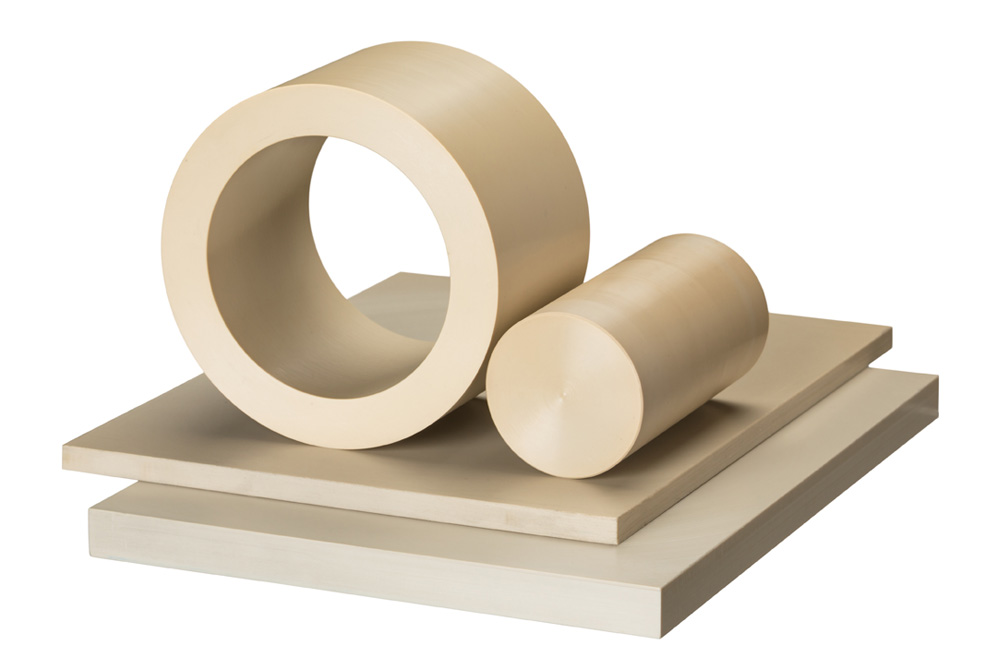
Dexterous Hand Finger Skeletons, Ball Screws, etc. The reverse planetary ball screws in humanoid robots are formed in one step using PEEK thermoplastic composite material and molds. Compared to metal CNC machining, this reduces material waste by 90%, with precision comparable to CNC. The production cycle for a single piece is only 1/5 of CNC, supporting rapid batch delivery. It can reduce the unit price of ball screws by 40%. While ensuring overall strength, the fully plastic reverse ball screw is lighter and lower cost than a metal screw of the same size.
Six-Axis Force/Torque Sensors: PEEK has an excellent balance of toughness and rigidity, with fatigue resistance comparable to metal, along with good insulation. Using PEEK to replace commonly used metal materials (such as alloy steel, stainless steel, and aluminum alloy) in the elastomer structure of six-axis force sensors can reduce inertial mass errors and improve measurement accuracy.
PA (Nylon)
Joint Housings/Connectors: High glass fiber/carbon fiber reinforced PA (e.g., PA6+30%GF/CF) is an ideal material for manufacturing housings, bearing seats, and connection brackets for key joints like shoulders, elbows, hips, and knees. It provides sufficient stiffness and strength to support loads while reducing weight. Examples include certain robot arm joint housings and thigh connectors.
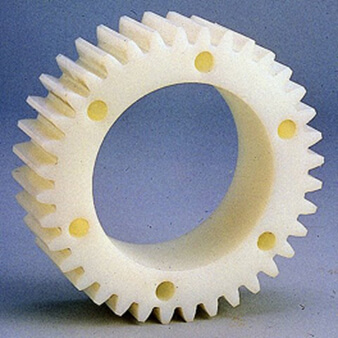
Body Shells/Protective Plates: modified PA6, such as Super-tough PA6 (toughened modified) or glass fiber-reinforced PA6, is used to manufacture the torso, arm, and leg shells of robots. It provides impact protection, an aesthetically pleasing surface finish (paintable, platable), and weight reduction, requiring a balance of toughness and certain rigidity.
PC/ABS
The alloying modification of PC and ABS combines the advantages of both materials: PC contributes high strength, heat resistance, and impact resistance, while ABS improves processing fluidity, chemical resistance, and cost-effectiveness. Its comprehensive performance precisely matches the “balanced requirements” for structural parts of humanoid robots. For example, a robot’s waist connection structure needs to withstand both the upper body weight and torque during movement. The rigidity of PC/ABS ensures connection stability, while its high impact resistance can handle instantaneous stress impacts when the robot bends or turns, extending component service life.
PPS
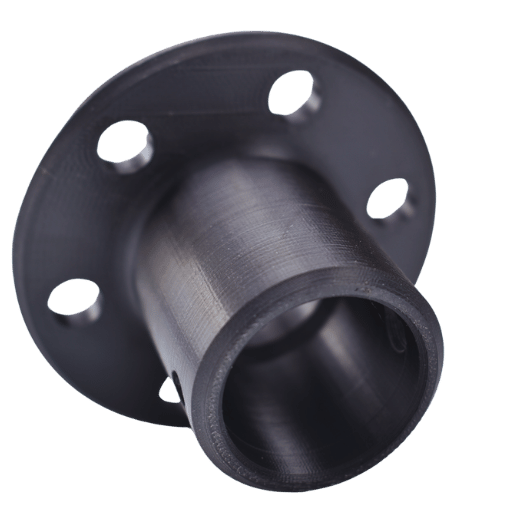
Key components like joint motors in humanoid robots often operate in high-temperature environments of 80-150°C, where traditional materials are prone to deformation and failure. In contrast, PPS material possesses excellent high-temperature resistance. Its thermal deformation stability is over 50% higher than that of ordinary engineering plastics, enabling stable output of the power system under extreme conditions.
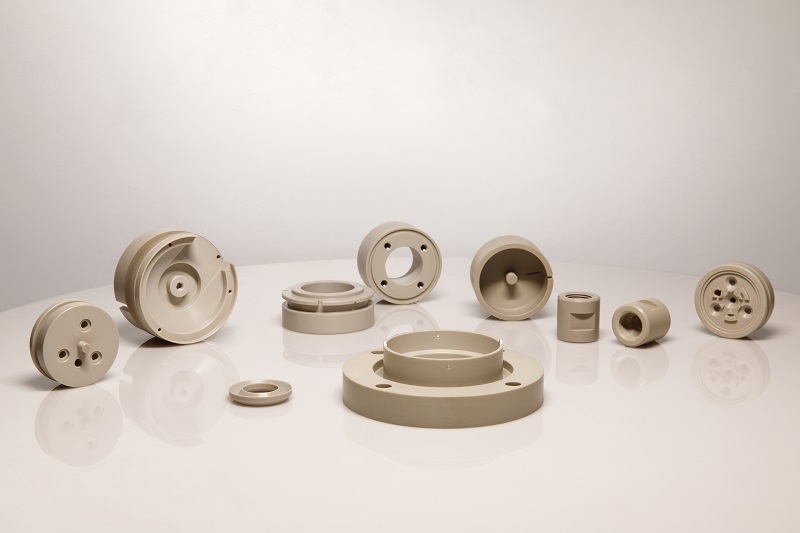
As a kind of these engineering plastics, PPS has a density of 1.35g/cm³ (weight reduction up to 60%). Although slightly higher than PEEK, its cost is lower, making it suitable for mass production, such as robot shells and non-load-bearing structural parts. Furthermore, PPS has low moisture absorption, with almost no dimensional change in humid environments, making it very suitable for precision transmission components (like gears and connectors), ensuring the precision of robot movements.
LCP
In humanoid robots, LCP (Liquid Crystal Polymer) is widely used in robot servo motor connectors due to its excellent high-temperature resistance and dimensional stability, making it an ideal choice for various precision electronic components.
UHMWPE Fiber
UHMWPE fiber, due to its high strength, low creep, wear resistance, and ability to fold without damage, can meet the requirements for power transmission in humanoid robots. It is mainly used for dexterous hand tendon ropes, arm and leg joint transmission, etc., requiring a fineness of 800D and a breaking strength of 40cN/dtex. Compared to metal materials like steel wires, the advantages of UHMWPE fiber are lighter weight and relatively lower power consumption, but it is also more expensive. Besides tendon ropes, UHMWPE can also be used for humanoid robot shells, pulleys, etc.
Challenges Facing Engineering Plastics in Humanoid Robots
| Mechanical Performance: While engineering plastics offer high strength and toughness, their mechanical properties may fall short of those of metals under certain extreme conditions (e.g., high load or high impact). For instance, some engineering plastics may exhibit creep when subjected to prolonged heavy loads, leading to part deformation or failure.
| UV Aging: UV aging refers to the physical and chemical changes in engineering plastics when exposed to long-wave ultraviolet radiation (UVA, wavelength 315nm–400nm). UVA possesses sufficient energy to break chemical bonds (such as C-C and C-H bonds) in engineering plastic molecules, triggering free radical reactions. These radicals react with oxygen, moisture, and other factors, causing molecular chain scission, cross-linking, or the formation of oxidation byproducts, ultimately degrading material performance.
| Cost: Due to the complexity of the production process and the high cost of raw materials, engineering plastics are generally more expensive than conventional plastics. This cost factor limits their broader adoption in the field of humanoid robotics.
| Recycling: Recycling engineering plastics poses significant challenges. Different types of engineering plastics are difficult to separate and classify, and the recycling process can compromise their performance. Currently, the recycling rate for engineering plastics remains relatively low, contributing to environmental concerns.
Insight from AI Robots Eidos about Engineering Plastics in Humanoid Robots
The Evolution of Engineering Plastics: From “Metal Replacement” to “Surpassing Metals”
| Structural-Functional Integration: For example, embedding sensors (such as flexible strain sensors) directly into PEEK or LCP components enables the creation of “smart bones” that can monitor stress and fatigue in real time. Alternatively, integrating conductive pathways into PA materials allows structural load-bearing and signal transmission to be combined into one unified function.
| Active Deformation and Actuation: Looking ahead, “active” polymer materials like shape-memory polymers (SMPs) and dielectric elastomers (DEs) may be used to fabricate robotic joints or skins capable of actively bending or contracting. This approach enables soft actuation more akin to biological muscles, moving beyond the current role of engineering plastics as merely passive structural components.
Sustainability of Engineering Plastics
| Bio-Based and Biodegradable Engineering Plastics: Materials such as high-performance bio-based polyamides or modified polylactic acid (PLA) can be applied in non-critical structural components to reduce carbon footprints.
| Chemical Recycling and Monomer Circularity: Specifically for high-performance plastics like PEEK and PPS, the development of efficient chemical recycling technologies could allow monomers to be recovered from end-of-life robots. This would support closed-loop production and align closely with the green development goals of the robotics industry.
Image Credits: Stasskol & Solutionsinplastic & Etcnmachining & Sybridge & Polyfluoroltd & Prochase & Xometry & Tuntunplastic & Hwlok