What Factors Affect PEEK Price?
Table of Contents
Why do PEEK prices vary among different suppliers, and why does it sometimes feel less transparent? This is a common question many procurement managers encounter when sourcing PEEK materials. The factors influencing PEEK price are the main topic of this article.
What is PEEK
PEEK, a type of engineering plastic, is a polymer composed of repeating units containing one ketone bond and two ether bonds in its main chain structure. It is a typical aromatic ether ketone compound and belongs to the category of special engineering plastics. PEEK offers excellent properties in terms of high-temperature resistance, corrosion resistance, friction resistance, and electrical insulation. Its comprehensive performance and commercial value place it at the pinnacle of the plastics industry.

Recommended In-depth Reading from AI Robots Eidos
PEEK belongs to the high-end category of engineering plastics. Engineering plastics not only come in various types but also provide critical support for the structural design, motion performance, and safety of humanoid robots through characteristics such as lightweight, high strength, precision transmission, and environmental resistance. They are an important material foundation that drives the technological development of humanoid robots.
If you are interested in engineering plastics, please read this in-depth article about engineering plastics.
What Determines PEEK Pricing?
In reality, PEEK pricing is not solely determined by the cost of raw materials. Instead, it is influenced by a combination of factors, including raw material costs, production processes, supply-demand dynamics, service value, and market competition. The price trend of PEEK reflects the dynamic balance of technological advancements in the industry, changes in market demand, and competitive landscape. Understanding the underlying logic behind its pricing helps procurement managers establish clearer judgment criteria when seeking reliable suppliers.
What Factors Affect PEEK Price?
Raw Materials
The price of PEEK raw materials significantly impacts the final price of PEEK components.
PEEK production relies on specific monomeric raw materials, with 4,4′-difluorobenzophenone (DFBP) being the core raw material, accounting for 50%-60% of the total raw material cost of PEEK resin. The synthesis process of DFBP is complex and technologically demanding, and its price fluctuations directly affect PEEK costs. Additionally, the costs of auxiliary raw materials such as hydroquinone and sodium carbonate also have a certain impact on the price.

Furthermore, PEEK production falls under fine chemical engineering, where factors such as the type of condensation agent, reaction time, reaction temperature, and the timing of adding end-capping agents all influence the final product performance. The properties of PEEK produced in small-scale reactors differ significantly from those produced in large-scale reactors. For instance, Victrex in the UK operates a 5000L reactor, which is difficult for other companies to achieve. Victrex dominates the pricing in the high-end market due to its technological advantages and economies of scale. Therefore, if Victrex-produced PEEK materials are used, the price will naturally be higher.
Production Process
For finished PEEK components, the choice of processing technology is one of the main factors affecting the final price.
| Machining: Machining quotes are typically based on labor hours and material consumption, making the pricing structure relatively straightforward. However, for complex geometries, machining time increases significantly, and material utilization is lower, both of which drive up the per-unit cost. More importantly, the quality and efficiency of machining heavily depend on the operator’s experience and the real-time condition of the equipment. This uncertainty is sometimes factored into the risk assessment of the quote.
| Injection Molding: The primary cost of injection molding lies in the development and debugging of precision molds. Once mass production begins, the per-unit production cost tends to stabilize and becomes predictable. For batch production, the efficiency and material utilization advantages of injection molding may lead to a more favorable overall cost structure after reaching a certain volume. Therefore, the quote for what appears to be a simple component actually reflects the comprehensive investment in mold engineering, process development, and the stability of mass production.
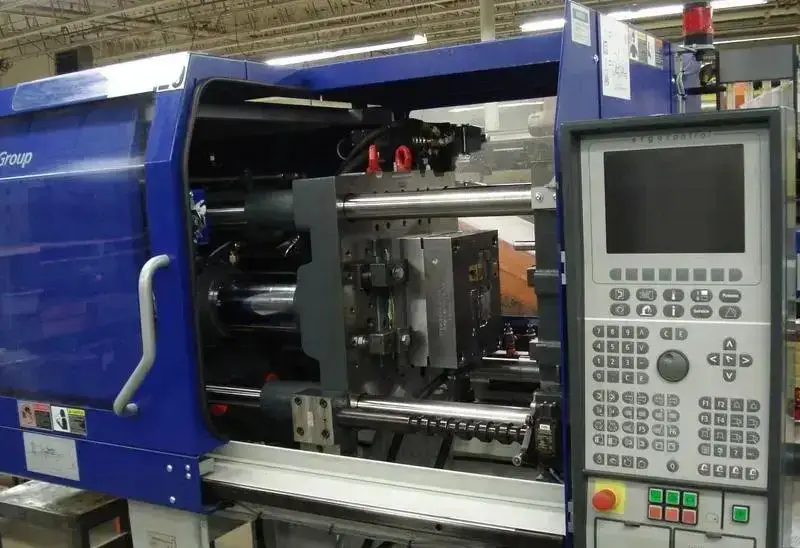
A mature PEEK injection molding solution adds value by efficiently and quickly transforming a design into a stable mass-produced product. This efficiency itself is an important aspect of cost optimization, as standardized production processes reduce uncertainties and the need for secondary processing, thereby controlling the overall project cost.
Supply-Demand Dynamics
Demand is a key driver of price. With the rapid development of fields such as humanoid robots and aerospace, the demand for PEEK continues to grow. If demand growth outpaces capacity expansion, PEEK prices may rise; conversely, if there is overcapacity, prices may fall.
Currently, robot weight typically falls within the range of 50-70 kg, and PEEK plays an important role in lightweighting humanoid robots. PEEK can be used for lightweight components in humanoid robots, including bearings, cages, reducer steel gears, motor housings, and large/small screws of planetary roller screws. Tesla experts state that the latest robot uses just over 6 kg of PEEK material. If the industrialization of humanoid robots accelerates, it will further drive up PEEK prices.

Service
Take high-end industries like semiconductors as an example—their PEEK components often have special requirements for cleanliness, dimensional accuracy, and long-term reliability. Meeting these requirements may require additional investments in raw material grades, production environments, and testing processes. Professional suppliers will transparently communicate the cost implications of these necessary standards during the initial quotation stage, such as using PEEK materials that meet specific certifications or adding processes like plasma cleaning. This transparent cost breakdown allows buyers to clearly understand the value corresponding to each expense.
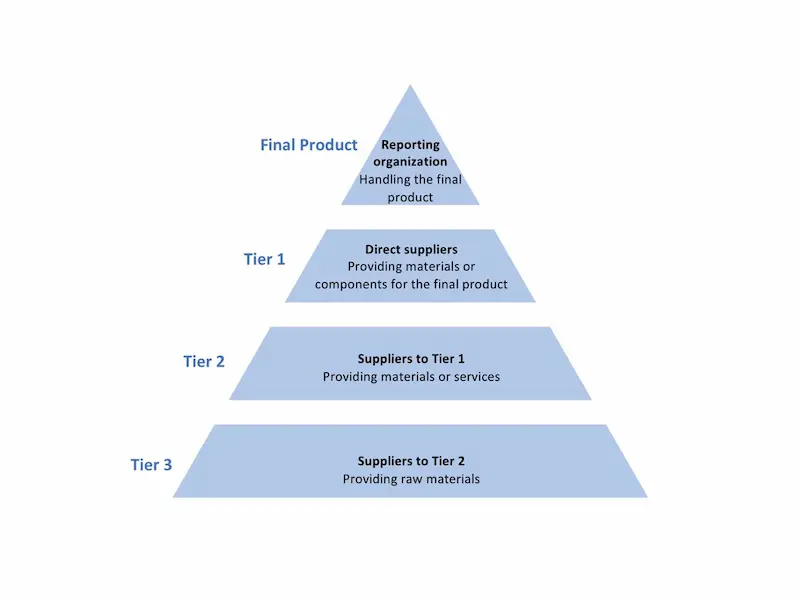
The impact of service on PEEK price also manifests in the supplier’s channel level and brand reputation, among other factors. These factors need to be analyzed based on the specific situation of the supplier. For example, the brand premium of a supplier is difficult to quantify.
What Is a Reasonable PEEK Price?
A reasonable PEEK price centers on in-depth communication with the supplier based on product requirements. A clear and reasonable PEEK price should reflect a comprehensive consideration of component complexity, performance standards, production volume, and quality assurance systems. Choosing to collaborate with manufacturing partners who have transparent quoting practices and solid process expertise can make procurement decisions more confident.
Trend of PEEK Price
The global PEEK market exhibits a “one superpower, multiple strong players” pattern, with overseas giants holding most of the production capacity and market share, giving them strong pricing power. Chinese companies are gradually gaining market share through cost advantages and capacity expansion, and increased competition may lead to adjustments in PEEK prices.
Based on data from recent years, prices from Chinese suppliers are slowly declining, while the price of PEEK industry leader Victrex remains stable and is expected to stay stable in the future. Due to the recent appreciation of the British pound against the Chinese yuan, Victrex’s price per ton is already more than double that of Chinese supplier Zhongyan.
| The Trend of Peek Price(£10,000/ton) | ||||
| Item / Year | 2021 | 2022 | 2023 | 2024 |
| Zhongyan Stock | 3.4 | 3.6 | 3.5 | 3.1 |
| Victrex | 7 | 7.2 | 8.5 | 7.8 |
Insight from AI Robots Eidos about PEEK Price
| The evolution of technological barriers: Future competition will not merely hinge on the scale of reaction vessels or the synthesis capabilities of key raw materials. More crucial will be the ability to deeply mine and control data from the polymerization process. Those who can leverage AI and big data models to more precisely optimize reaction paths, predict product performance, and ensure absolute stability between batches will establish a new generation of technological barriers.
| Reconstruction of the value chain: For example, offering an integrated solution of ‘materials + design + processes + testing standards’ that has been thoroughly tested and verified for critical fields such as robotics or semiconductors will significantly shorten customers’ product launch cycles and reduce their R&D failure risks. This portion of value will be directly reflected in pricing.
The future PEEK price will not only be determined by traditional cost and supply-demand dynamics but will also be profoundly influenced by digital technologies and value service models. For purchasing parties, the key to evaluating suppliers will gradually shift from ‘comparing price per kilogram’ to assessing their technological data capabilities, the depth of their system solutions, and their forward-looking investment in next-generation applications. For suppliers, the core of competition will shift from a race for production capacity to the construction of a comprehensive ecosystem that integrates technology, data, and services.
Image Credits: Ptsmake & Alibaba & At-machining & Peekchina & Fractory