Phase Change Materials (PCMs): Heat’s Secret Controller
Table of Contents
Phase change materials absorb or release large amounts of thermal energy between melting and solidifying, buffering ambient temperature fluctuations. This unique property gives phase change materials broad application prospects in fields such as energy storage and temperature regulation.
What Are Phase Change Materials?
Simply put, phase change materials are materials that have the ability to undergo phase transitions. They can complete a phase change within their operating temperature range and possess sufficiently high phase change enthalpy (commonly known as latent heat). Therefore, they can absorb or release significant heat during the phase transition, enabling temperature regulation, thermal energy storage, and other functions.
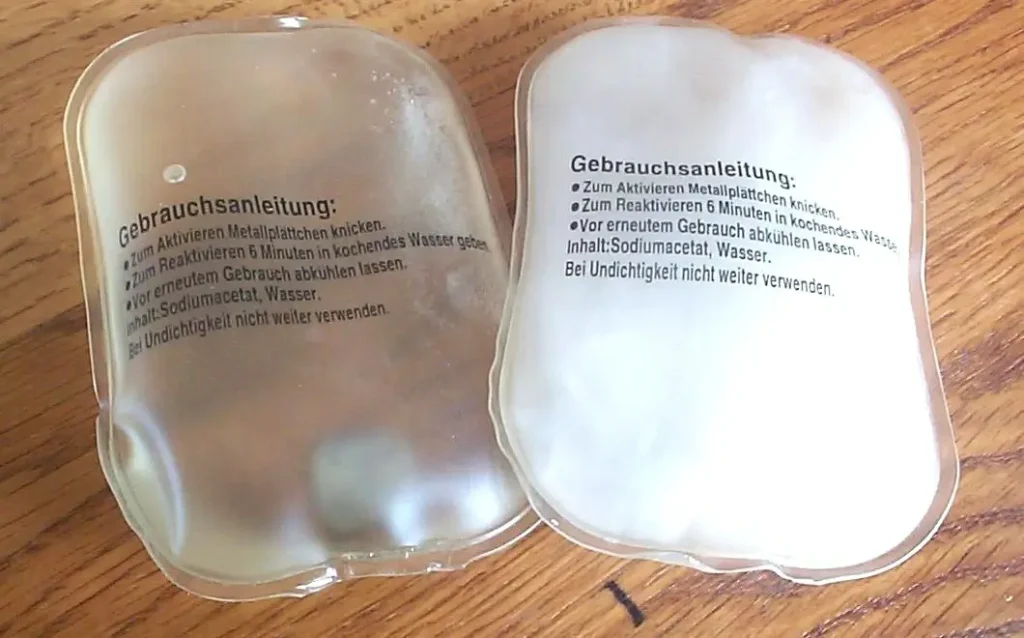
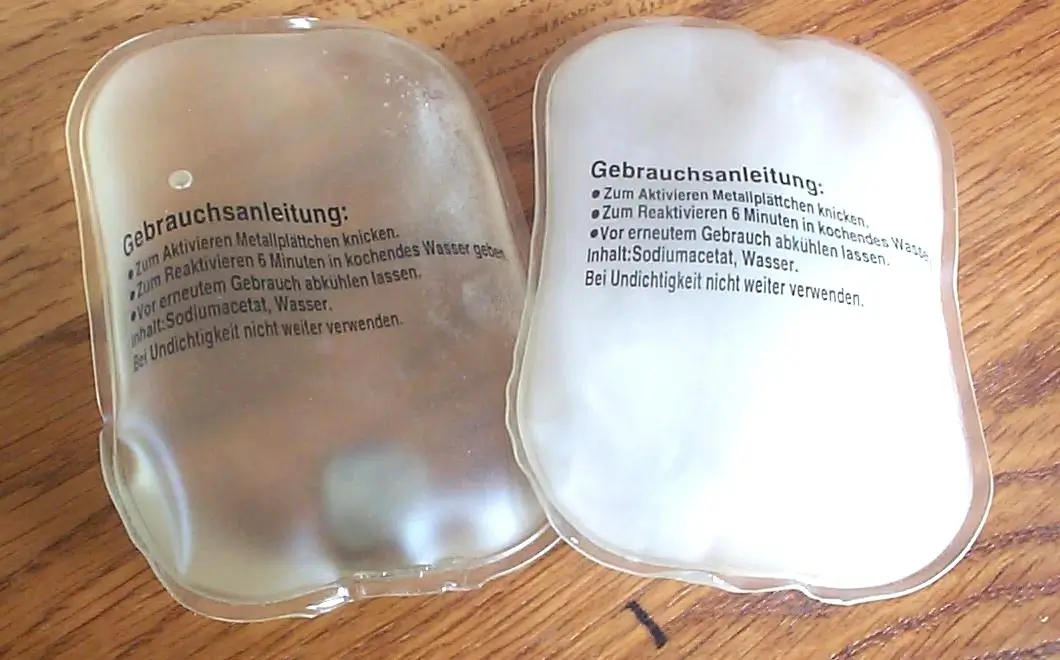
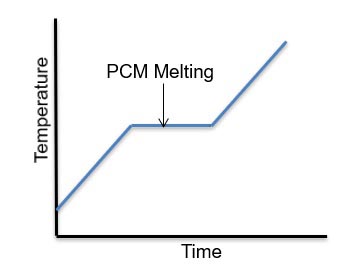
Phase change materials (PCMs) are materials that absorb or release large amounts of energy during a phase transition (e.g., solid-liquid or liquid-gas). At the phase change temperature (PCT), the material melts or solidifies. Compared to conventional materials, PCMs have sufficiently high phase change enthalpy (latent heat), allowing them to absorb or release substantial heat during the transition. For this reason, phase change materials are also called latent heat storage (LHS) materials.
It is important to note that while PCMs achieve temperature control by releasing or absorbing heat and have many applications, they suffer from leakage and low thermal conductivity. Therefore, in practical use, encapsulation is required to shape the material and enhance heat transfer.
Classification of Phase Change Materials
Classification by Chemical Composition
| Classification | Subcategory | Advantages | Disadvantages | Representative Materials |
| Organic | Paraffins | Moderate latent heat, chemically stable, no supercooling, non-corrosive, low cost, wide phase change temperature range. | Low thermal conductivity (~0.2 W/m路K), flammable, relatively large volume change during phase transition. | n-Octadecane, n-Eicosane, paraffin wax mixtures. |
| Non-paraffins (fatty acids, alcohols, etc.) | Tunable properties, low supercooling, good cyclic stability. | Low thermal conductivity, higher cost than paraffins, may have mild corrosiveness or odor. | Lauric acid, palmitic acid, polyethylene glycol (PEG). | |
| Inorganic | Salt hydrates | High latent heat, relatively good thermal conductivity (better than organics), low cost, fixed phase change temperature. | Severe supercooling and phase separation, may be corrosive to containers, prone to failure after long-term cycling. | Sodium sulfate decahydrate, calcium chloride hexahydrate, sodium acetate trihydrate. |
| Molten salts | Wide temperature range (medium to high temperature), high latent heat, good thermal stability. | Operate at high temperatures, highly corrosive to equipment, easy to solidify and clog pipelines. | Nitrates, carbonates, chloride mixtures (often used in solar thermal power generation). | |
| Eutectic mixtures | Organic-organic / inorganic-inorganic / organic-inorganic | Achieve precise, single-phase change temperature through formulation, broadening temperature selection range. | Complex design, requires accurate phase diagram data. | Lauric acid-stearic acid, calcium chloride-magnesium chloride, lithium chloride-water system. |
Classification by Phase Transition Type
| Classification | Phase Change Mechanism | Advantages | Disadvantages |
| Solid-Liquid PCMs | Transition between solid and liquid upon absorbing/releasing heat; utilizes latent heat storage. | High latent heat, nearly isothermal phase change process, relatively small volume change. | Prone to leakage in liquid state; requires encapsulation. |
| Solid-Solid PCMs | Transition from one crystalline form to another, or order-disorder transformation, while remaining solid. | No leakage, extremely small volume change, good chemical stability, low supercooling. | Latent heat is generally lower than that of solid-liquid PCMs; fewer material options available; higher cost. |
| Liquid-Gas PCMs | Transition between liquid and gas. | Extremely high latent heat (far higher than solid-liquid or solid-solid PCMs). | Enormous volume change during phase transition, difficult to control; requires very high container strength and sealing; challenging for practical applications. |
| Solid-Gas PCMs | Transition between solid and gas (sublimation and deposition). | Highest latent heat among all types. | Most severe volume change; almost impossible to use in controlled thermal storage within a closed system. |
Operating Principle of Phase Change Materials
Here, we use solid-liquid change as an example.
When the ambient temperature rises to the melting point of the PCM, the material begins to absorb heat. Molecules or atoms gain enough energy, intensify their thermal motion, overcome intermolecular or interatomic forces, break free from the original lattice constraints, and transition from an ordered solid structure to a disordered liquid structure. This process absorbs a large amount of latent heat while the temperature remains relatively stable.
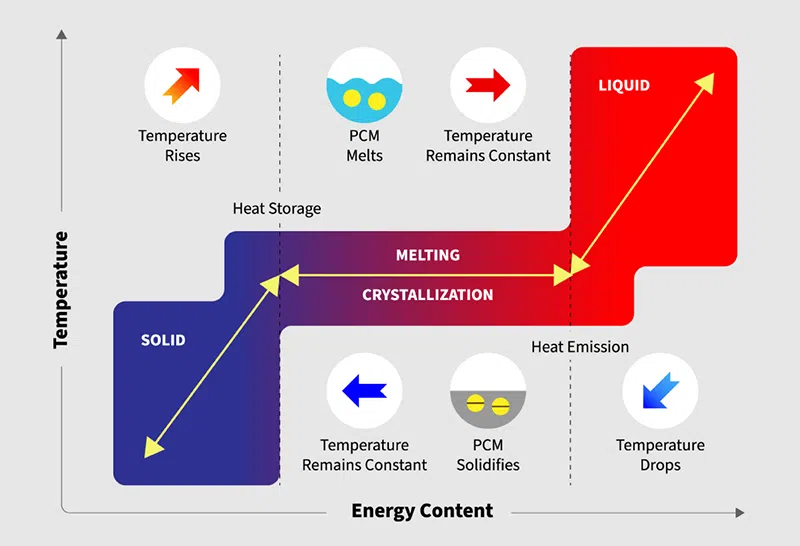
Conversely, when the temperature drops below the freezing point, the material transitions from liquid to solid. Molecules or atoms rearrange into an ordered solid structure, releasing an amount of latent heat equal to that absorbed during melting, and the temperature again remains stable.
Key Performance Indicators of Phase Change Materials
–Phase Change Enthalpy: The amount of heat absorbed or released by a PCM during a phase transition is called phase change enthalpy, usually expressed as heat per unit mass (J/g). Enthalpy is a critical parameter for evaluating PCMs – the higher the enthalpy, the greater the energy storage density and the better the storage performance. It is a key indicator of a PCM’s energy storage capacity.
–Phase Change Temperature: The equilibrium temperature at which a material undergoes a phase transition. For pure substances, this is a fixed point (e.g., the melting point of ice is 0°C); for mixtures (e.g., polymers, commercial paraffin waxes), it is a temperature range. The phase change temperature is a crucial parameter that determines suitable application scenarios – for example, building energy efficiency often uses PCMs with transition temperatures of 22–26°C, while electronic thermal management typically uses PCMs in the 30–50°C range.
–Cyclic Stability: The ability of a PCM to maintain stable key properties (such as phase change enthalpy and phase change temperature) after multiple melt-freeze cycles. This is the core indicator of a PCM’s service life. Factors affecting cyclic stability include phase separation, composition degradation, encapsulation rupture, and performance degradation caused by thermal cycling.
–Thermal Conductivity: Higher thermal conductivity results in better heat dissipation. PCMs with high thermal conductivity can absorb and release heat more quickly, improving charge/discharge efficiency. This is especially important in scenarios requiring fast response to temperature changes (e.g., electronics cooling). Most organic PCMs (such as paraffin waxes, fatty acids, and polymers) have low thermal conductivity, which leads to slow charging/discharging rates – a major bottleneck in practical applications.
–Volume Change: Volume changes can occur during phase transitions. Solid-solid phase transitions usually exhibit little or no noticeable volume change. Most solid-liquid phase transitions do involve volume change. PCMs with small volume changes are easier to use in practice, because large volume changes can cause encapsulation difficulties or affect system stability.
Phase Change Material Products (For Reference Only)
To help readers better understand phase change materials, AI Robots Eidos lists some PCM products below for reference only, with no endorsement implied.
| Product | Reference Phase Change Temperature | Reference Phase Change Enthalpy | Composition | Phase Change Type |
| P78 | -21 to -19°C | 300 kJ/kg | Inorganic | Solid-liquid phase change |
| P81 | 24 to 26°C | 180 kJ/kg | Inorganic | Solid-liquid phase change |
| P82 | 25 to 27°C | 190 kJ/kg | Inorganic | Solid-liquid phase change |
| P83 | 29°C | 190 kJ/kg | Inorganic | Solid-liquid phase change |
| P85 | 31 to 33°C | 220 kJ/kg | Inorganic | Solid-liquid phase change |
| P86 | 32°C | 60 kJ/kg | Inorganic | Solid-liquid phase change |
| P88 | 56 to 59°C | 250 kJ/kg | Inorganic | Solid-liquid phase change |
| P89 | 58°C | 265 kJ/kg | Inorganic | Solid-liquid phase change |
| P91 | 88 to 90°C | 150 kJ/kg | Inorganic | Solid-liquid phase change |
| P92 | 44°C | 115 kJ/kg | Organic | Solid-solid phase change |
| P93 | 57°C | 115 kJ/kg | Organic | Solid-solid phase change |
| P95 | 134°C | 270 kJ/kg | Organic | Solid-solid phase change |
| P96 | 185°C | 300 kJ/kg | Organic | Solid-solid phase change |
| P1 | -30°C | 200 kJ/kg | Organic | Solid-liquid phase change |
| P2 | -26°C | 180 kJ/kg | Organic | Solid-liquid phase change |
| P3 | -10°C | 220 kJ/kg | Organic | Solid-liquid phase change |
| P5 | -6°C | 200 kJ/kg | Organic | Solid-liquid phase change |
| P6 | -4°C | 180 kJ/kg | Organic | Solid-liquid phase change |
| P7 | 0°C | 225 kJ/kg | Organic | Solid-liquid phase change |
| P8 | 2°C | 205 kJ/kg | Organic | Solid-liquid phase change |
| P9 | 3°C | 200 kJ/kg | Organic | Solid-liquid phase change |
| P11 | 5°C | 180 kJ/kg | Organic | Solid-liquid phase change |
| P12 | 5°C | 240 kJ/kg | Organic | Solid-liquid phase change |
| P13 | 6°C | 230 kJ/kg | Organic | Solid-liquid phase change |
| P15 | 8°C | 180 kJ/kg | Organic | Solid-liquid phase change |
| P16 | 8°C | 200 kJ/kg | Organic | Solid-liquid phase change |
| P17 | 9°C | 160 kJ/kg | Organic | Solid-liquid phase change |
| P18 | 10°C | 200 kJ/kg | Organic | Solid-liquid phase change |
| P19 | 10°C | 150 kJ/kg | Organic | Solid-liquid phase change |
Applications of Phase Change Materials
–Building Sector: Using the latent heat properties of materials to achieve “passive temperature control” in buildings. Today, PCM applications in buildings have formed mature technical systems. For example, PCMs can be mixed directly into building materials to make phase-change walls, phase-change floor slabs, and other components; PCMs can also be integrated with heating, ventilation, and air conditioning (HVAC) systems to achieve intelligent temperature control for entire buildings.
–Robotics: PCMs have become one of the thermal management approaches for humanoid robots. The value of PCMs in this field lies not in long-term continuous heat dissipation, but in “peak shaving and valley filling” – absorbing part of the heat pulses generated by movements, fast charging, and computing. The ability of PCMs to buffer peak heat loads makes them highly suitable as thermal buffer layers for wrists, forearms, and local drive boards. However, relying solely on PCMs is insufficient to support the thermal management rhythm of a robot.
| Comparison Dimension | Air Cooling + Structural Heat Conduction | Heat Pipe + Vapor Chamber | Liquid Cooling + Cold Plate | Phase Change Materials (PCMs) |
| Applicable Areas | Chassis, torso main control board, power board, sensor areas | Chest computing board, power module, forearm, wrist, and other local high-heat-flux areas | High-load joints, centralized computing pod, high-rate charging areas | Wrist, forearm, local drive board, areas with transient thermal shock |
| Core Advantages | Mature and reliable, low cost, easy to maintain, suitable for mass production, lightweight | Proven technology (experience from smartphones/AI hardware), noise-free, strong heat spreading capability, modular assembly friendly | Highest heat dissipation capacity, handles high heat flux, supports prolonged high loads | Excellent peak-shaving capability, no active power consumption, lightweight, suitable for pulsed heat loads |
| Main Disadvantages | Prone to dust ingress, airflow path constraints, less effective for high-power joints | Still occupies relatively large space, cannot handle extremely high sustained heat flux, limited adaptability to complex geometries | Adds complexity (pump, tubing, sealing), increased weight, leakage risk, high maintenance cost | Only buffers, cannot continuously dissipate heat; limited cycle life; cannot support mass production alone |
Recommended Related Reading from AI Robots Eidos
Phase change materials are an important technological means for thermal management in humanoid robots. For instance, phase change materials can absorb the heat generated by components such as joint motors and computing chips during high-load operation, suppressing rapid temperature increases. This allows the thermal dissipation system to gain response time and keep temperatures within a safe range.
Readers interested in thermal management for humanoid robots can refer to this article on the topic.
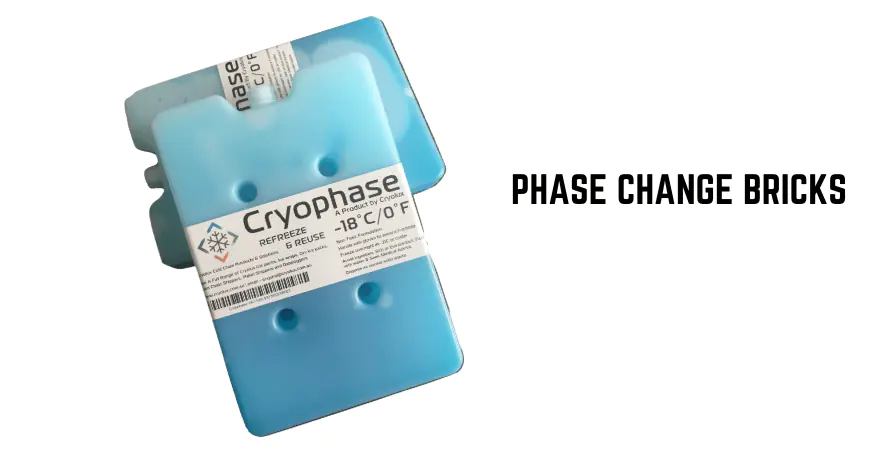
–Logistics Sector: In logistics, PCM cold storage technology offers significant advantages, including low energy consumption, no pollution, and no need for an electrical power source. By making cold storage plates or blocks from PCMs, the phase transition process maintains a stable internal temperature, enabling precise temperature control within the range of -25°C to 25°C.
Phase Change Materials Suppliers/Manufacturers
Honeywell (USA)
Honeywell is a global high-tech enterprise. Its business revolves around three major trends: automation, the future of aviation, and energy transition. Relying on the Honeywell Accelerator operating system and the Honeywell Forge integrated software platform, the company provides a wide range of technologies and services across many industries worldwide. The LTM series of PCMs are typically used as matrix materials for thermal interface applications. PTM7950 is a high-performance PCM from Honeywell, featuring high thermal conductivity (8.5 W/m·K) and extremely low thermal impedance (<0.04°C·cm²/W).
Cryopak (Canada)
Cryopak is a company focused on cold chain solutions, providing comprehensive services from packaging design and testing to temperature monitoring. Its products and services are widely used in fields requiring precise temperature control, such as food and chemical transportation. Cryopak offers various types of PCMs suitable for different temperature requirements. These materials provide advanced thermal protection within specific temperature ranges, ensuring that products maintain the required temperature conditions during transport.
Henkel (Germany)
Henkel is a global leader in chemicals and consumer goods, offering a broad range of industrial and consumer products, including adhesives, sealants, and surface treatment technologies. Henkel’s HI‑FLOW phase change materials are recognized in the market as an alternative to thermal robot greases between CPUs or power devices and heat sinks, thanks to their superior thermal conductivity and reliability.
BASF (Germany)
BASF is one of the largest chemical companies in the world, providing a diverse portfolio of chemical products, including high-performance materials and solutions. Their microencapsulated products can be used in various building applications, saving energy by absorbing and releasing heat. BASF is also committed to developing sustainable PCM solutions to reduce energy consumption and carbon emissions.
Dow Chemical (USA)
Dow Chemical is a global materials science company offering a wide range of chemicals, plastics, and agricultural products. AQUACHILL™ cooling coating is a waterborne PCM layer that can be used in mattress materials and other cooling applications, maximizing both initial and sustained cooling effects while achieving excellent breathability, durability, adhesion, and low odor.
Croda (UK)
Croda is a global specialty chemicals company focused on developing high-performance materials, including bio‑based products and sustainable solutions. CrodaTherm phase change materials from Croda are well received in the market for their high latent heat, high use efficiency, 100% USDA‑certified bio‑based content, as well as their stability and environmental friendliness.
Future Directions for Phase Change Materials
–Performance Enhancement: Scientists are working to develop Phase Change Materials with higher latent heat, more precise phase change temperature control, thermal conductivity that can be tuned in different directions, better thermal stability, and multifunctional capabilities such as radiative cooling and photothermal conversion. Through molecular design and composite material optimization, novel PCMs that adapt to extreme environments and meet special requirements are expected to emerge. For example, high-temperature‑resistant PCMs are being developed for aerospace applications, achieving efficient heat dissipation while maintaining light weight.
–Material Compositing: A single PCM cannot simultaneously satisfy the conflicting demands of high energy storage density, high thermal conductivity, stability, and processability. Shaped composite (PCM + porous support), microencapsulated composite (core + shell), and nanocomposite (PCM + nanoparticles) have become mainstream technical routes. Microencapsulation technology, in particular, can fundamentally solve the leakage problem, enabling “solid‑state” use of the material and expanding its application boundaries.
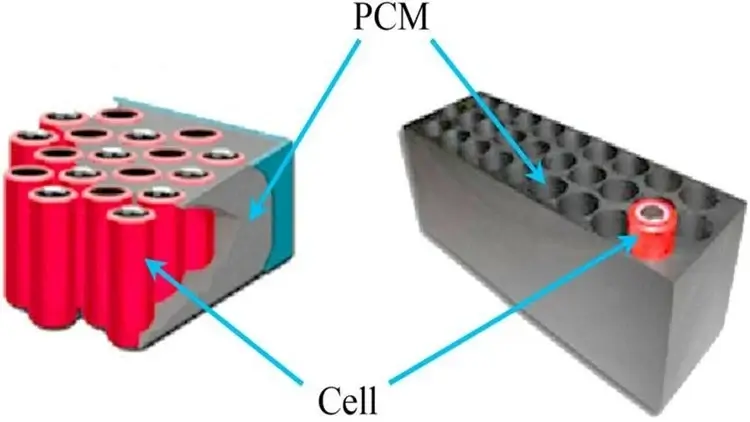
–Intelligent Materials: Combining Phase Change Materials with sensing and control technologies enables on‑demand energy storage/release and intelligent temperature regulation. For instance, in smart buildings, PCMs can be linked with temperature control systems to automatically adjust energy storage/release status based on indoor and outdoor temperatures. In battery packs for electric vehicles, PCMs can coordinate with the battery management system (BMS) to achieve precise thermal management.
–R&D Transformation: Traditional PCM research and development relies on a “trial‑and‑error” approach, which is time‑consuming and costly. AI technology is bringing a fundamental paradigm shift: machine learning, by analyzing massive amounts of literature and patent data, can rapidly predict material thermophysical properties and screen optimal formulations. High‑throughput computing can simulate the performance of thousands of material combinations, dramatically shortening the cycle from laboratory discovery to industrial production.
Insight from AI Robots Eidos about Phase Change Materials
—Traditional solid-gas phase change materials face practical difficulties due to significant volume changes. However, by utilizing micro-nano confinement effects (such as encapsulating sublimation materials in nanoporous scaffolds) or reversible chemical reactions (chemical adsorption/desorption), it is possible to transform these large volume changes into high-pressure driving sources or micro-actuators for applications in space thermal control and micro-robots.
—In humanoid robots and high-power electronic devices, PCMs are no longer merely used as thermal buffering layers; they cooperate with active cooling systems to form a “waveform clipping” strategy. By precisely designing phase transition temperatures and latent heat, thermal pulses can be flattened to levels manageable by active cooling, significantly reducing performance requirements for components such as pumps and fans, thus achieving lightweight thermal architecture.
—Integrating high latent heat solid-liquid phase change materials with liquid flow battery stacks or thermochemical heat storage reactors allows the PCM to absorb instantaneous thermal pulses during the reaction process, maintaining optimal reaction temperatures and thereby improving the efficiency and lifespan of the overall energy storage system, particularly for long-duration storage and solar thermal power generation.
Image Credits: Wikipedia & Thermtest & Globalspec & Cryolux & Thermalds