What Are The Special Materials in Humanoid Robots?
Table of Contents
The main special materials in humanoid robots are special metal materials ( such as aluminum alloys), engineering plastics (such as PEEK), and composite materials (such as Carbon Fiber Reinforced Polymer (CFRP) ), etc.
These special materials in humanoid robots play a crucial role in gradually transforming humanoid robots from science fiction into reality. Behind those humanoid robots capable of performing complex tasks lies the contribution of special materials.
Types of Special Materials in Humanoid Robots
Special Metal Materials
| Aluminum Alloys: Special metal materials serve as the “skeleton” and “joint” foundation of robots. The density of aluminum alloy, a special material, is only one-third that of steel, yet its strength is close to that of high-alloy steel, with specific stiffness surpassing steel. This not only reduces the robot’s weight and energy consumption but also ensures structural stability, allowing industrial robot arms to easily handle heavy loads. Its excellent casting and plastic processing properties enable it to be shaped into complex components through various processes. Its good electrical and thermal conductivity facilitates signal transmission and heat dissipation, while its corrosion resistance extends service life.
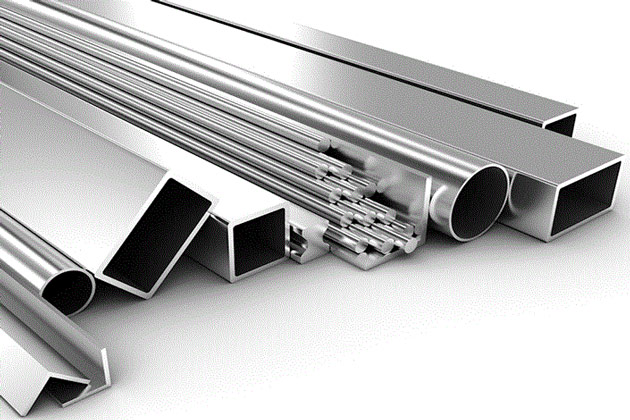
| Titanium Alloys: Titanium alloys offer strength comparable to steel but with only 60% of steel’s density. Their outstanding corrosion resistance and high-temperature performance make them ideal for critical components in high-end robots. For example, using titanium alloys in joint areas enables them to withstand pressure and torque, ensuring flexibility and reliability. Tesla’s Optimus Gen3 uses Ti-6Al-4V gear components for its hip and knee joints. Boston Dynamics’ Atlas V11 humanoid robot features a spine support frame made of a grid-like titanium alloy structure, increasing overall stiffness by 18% (supporting a 25kg load).

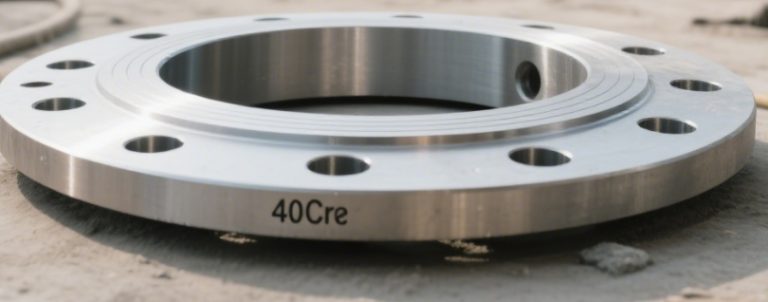
| Special Steels: Such as 50CrMo4 alloy steel and 40Cr alloy steel, these are used in critical transmission components such as planetary roller screws and harmonic reducers in robots. Special steels possess high strength, high wear resistance, and good fatigue performance, and can withstand large loads and torques.
Recommended In-depth Reading from AI Robots Eidos
Specialty steels are key materials for achieving high-performance and highly reliable operation in humanoid robots, providing a solid guarantee for the robot’s structural strength, motion accuracy, and long-term stability. If you are interested in this topic, please read on about
Engineering Plastics
Engineering plastics, as one of many types of special materials in humanoid robots, provide robots with a lightweight “body.” Materials like ABS and polycarbonate are lightweight, low-cost, and can be formed using diverse processes. Injection molding can produce complex housings that combine aesthetics with protection, while extrusion molding can create slender rod components, improving efficiency. This helps reduce robot manufacturing costs and enhance market competitiveness.
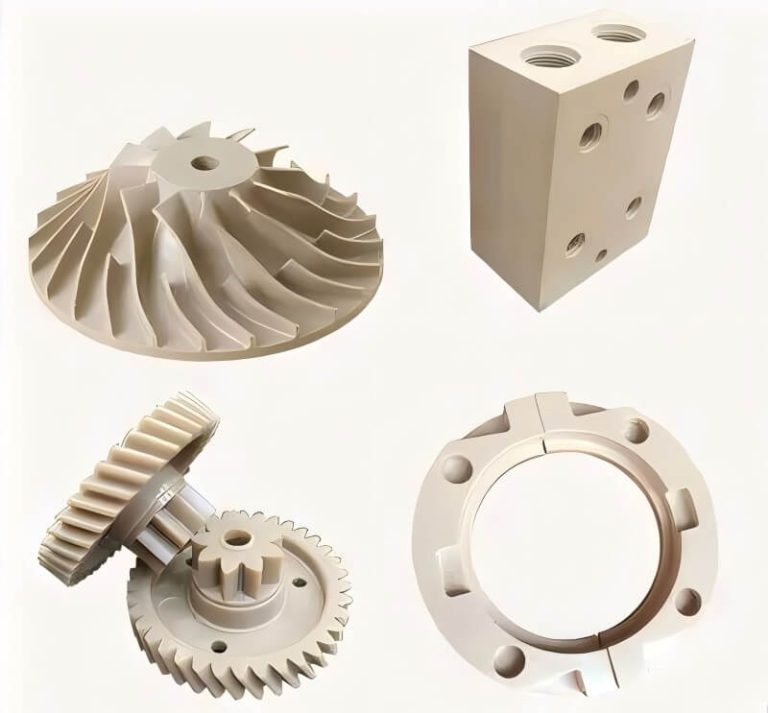
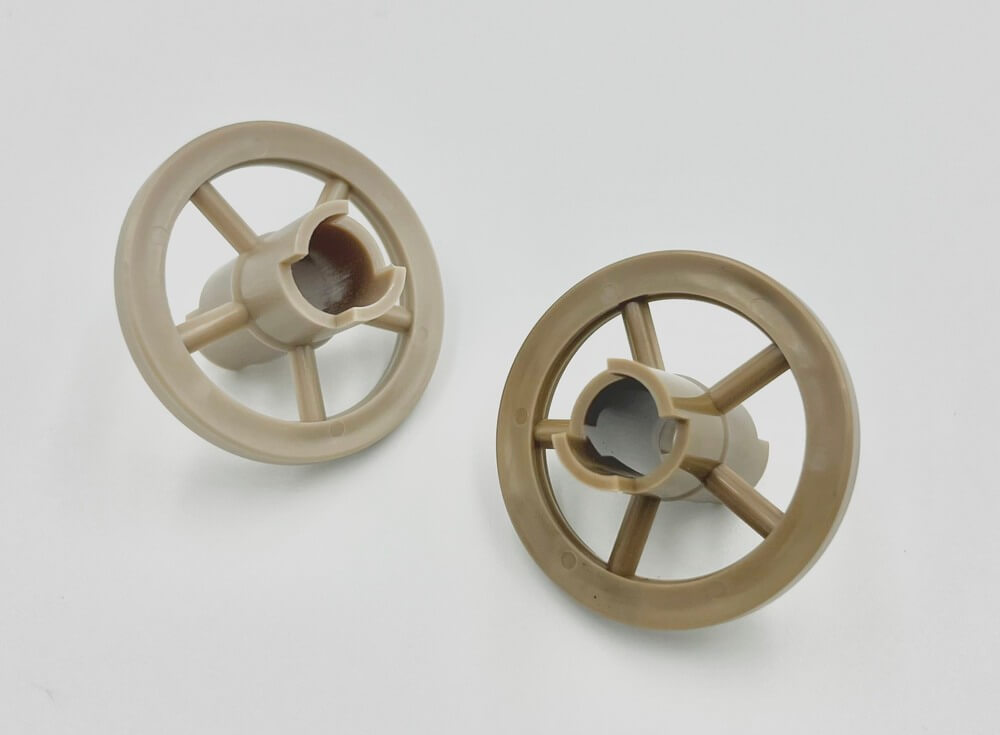
| PEEK: As a special engineering plastic, PEEK material offers a specific strength approximately eight times that of aluminum alloys. It is heat-resistant, wear-resistant, and radiation-resistant, enabling weight reduction in robots while maintaining performance, thereby improving energy efficiency and load capacity. Using PEEK in joints reduces wear and failure risks. It also exhibits excellent tensile strength, creep resistance, insulation, and chemical resistance. Tesla’s Optimus Gen2 humanoid robot achieved a 10kg weight reduction and a 30% increase in walking speed by using PEEK.
Recommended In-depth Reading from AI Robots Eidos
Engineering plastics, through their lightweight, high-performance, and multifunctional properties, help humanoid robots achieve more efficient, safe, and flexible applications. If you are interested in this topic, please read on about
Engineering Plastics in Humanoid Robots
Composite Materials
Composite materials represent a breakthrough in achieving “strength and lightness.” Carbon fiber composite materials, as a special material, have a density only one-third that of steel and strength far exceeding most metals. They significantly reduce the robot’s weight, enhancing motion efficiency and flexibility. Their high stiffness, fatigue resistance, corrosion resistance, high-temperature tolerance, and low thermal expansion coefficient ensure that robot arms and joints are less prone to deformation or damage during long-term use, adapt to harsh environments, and maintain motion precision under temperature changes.
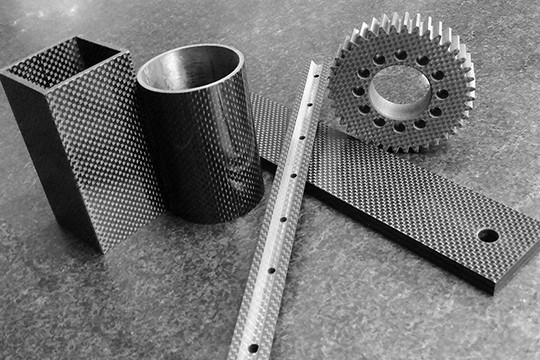
| Carbon Fiber Reinforced Polymer (CFRP): Composed of carbon fibers and a resin (such as epoxy resin), it possesses extremely high specific strength and specific modulus, with a density only about one-third that of steel. It is widely used in structural components such as robotic arms, frames, and joint supports, significantly reducing weight and improving motion accuracy and stability.
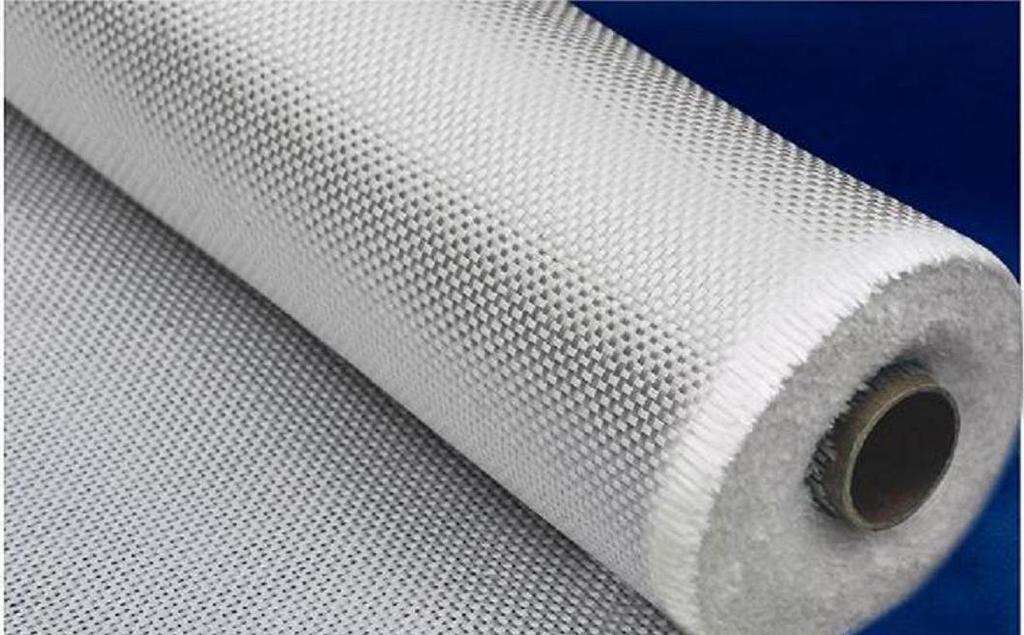
| Glass Fiber Reinforced Polymer (GFRP): Lower in cost than carbon fiber composite materials, it is suitable for non-critical structural components where weight requirements are relatively low, but a certain degree of strength is needed, such as robot casings and internal supports.
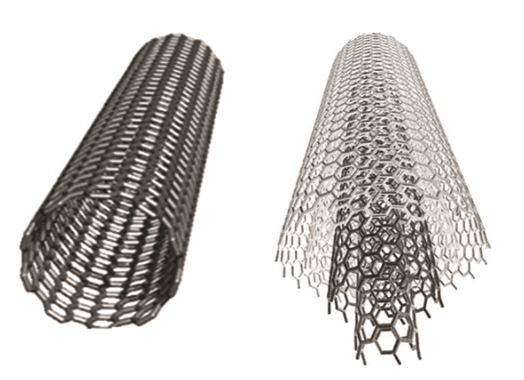
| Carbon Nanotube: Carbon nanotube composite materials also hold immense potential, with a strength 200 times that of steel and a weight only one-sixth of steel. They can be used to create frames and joints to reduce weight. In the field of sensors, they can produce highly sensitive flexible tactile sensors and high-performance force sensors, aiding robots in performing delicate operations. In the field of actuators, they can be used to create electrochemical actuators that simulate human muscle-driven movement. Although their application is currently limited, their prospects are broad.
The selection of special materials in humanoid robots requires a comprehensive balance of strength, stiffness, weight, durability, and cost. Industrial robots demand high-strength, durable materials, while household service robots prioritize flexibility and environmental friendliness. Engineers must choose materials based on design requirements and application scenarios to create high-performance, cost-effective robots.
Insight from AI Eidos Robots about Special Materials in Humanoid Robots
| Intelligent Evolution: Special Materials in Humanoid Robots are evolving towards intelligent material systems. For example, the use of magnetorheological fluids or phase change materials can enhance stability in joints when rigidity is needed and reduce impedance during compliant operations, improving safety in human-robot interactions.
| Structural Innovation: If carbon nanotube fibers can be commercialized, Special Materials in Humanoid Robots could completely reconstruct robot configurations, enabling “muscle-like” structures and distributed sensing.
| Biomimicry: Currently, Special Materials in Humanoid Robots focus on mechanical properties. In the future, they could draw more extensively from biological strategies, such as gradient composite materials that mimic the “dense outer layer, porous inner core” structure of bones, achieving spatially optimized distribution of stiffness and toughness within a single component.
Image Credits: Vietnamcastiron & Waykenrm & Xometry & Chukoh & M-chemical & Technologyinarchitecture & Fuelcellstore