Specialty Steel in Humanoid Robots: From Forge to Future
Table of Contents
Specialty steels in humanoid robots are quietly playing an important role in advancing the industry. This is because the use of specialty steels is crucial in the manufacturing of humanoid robots.
Definition of Specialty Steels
Specialty steel refers to a category of steel with specific chemical compositions (alloyed), produced through specialized processes, with unique microstructures and properties, and capable of meeting specific needs. Compared to ordinary steel, special steel exhibits higher strength and toughness, superior physical and chemical properties, better biocompatibility, and enhanced processability.
Common Specialty Steels in Humanoid Robots
In the field of humanoid robots, special steels such as 50CrMo4, 40Cr, and GCr15 play pivotal roles.
50CrMo4
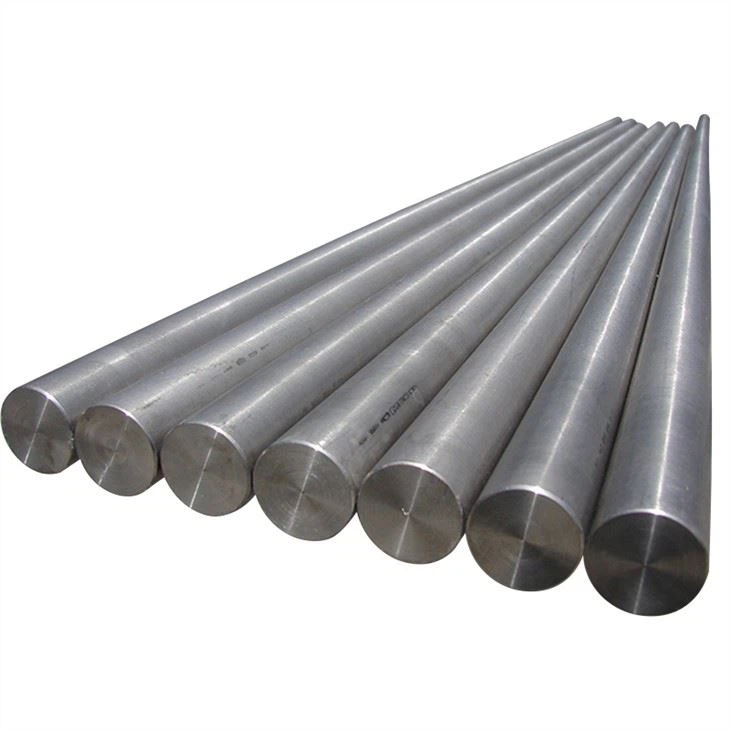
50CrMo4 is a high-strength alloy structural steel. Its core advantages lie in its excellent balance of strength and toughness, along with good comprehensive mechanical properties. The molybdenum added to the steel helps refine the grain structure, improving the material’s strength and toughness while preventing temper brittleness. The chromium significantly enhances the steel’s hardenability, wear resistance, and certain corrosion resistance. In humanoid robots, it may be used to manufacture key structural components that bear high loads and high stress, such as critical connecting shafts and transmission rods.
40Cr
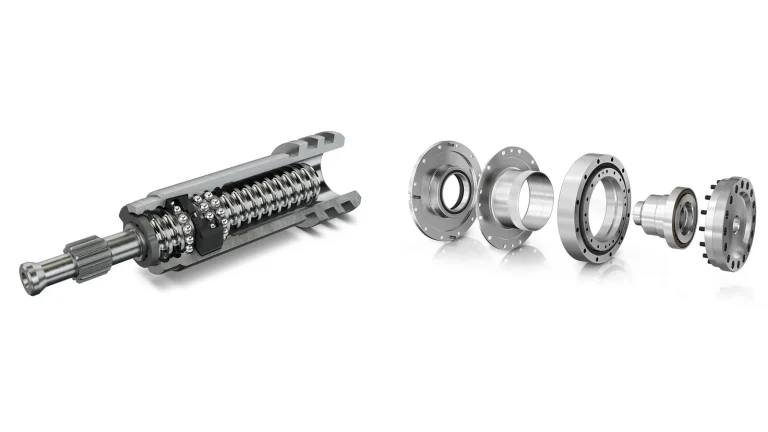
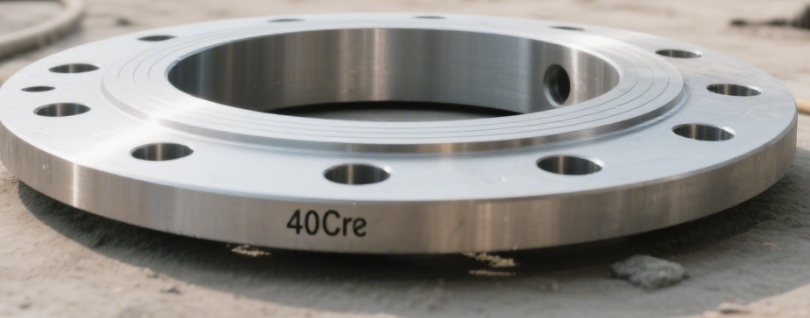
40Cr is a high-quality carbon structural steel with a carbon content of 0.37–0.44% and a chromium content of 0.80–1.10%. It exhibits good hardenability, tempering stability, and corrosion resistance, along with excellent resistance to brittle fracture in low-temperature environments. In the field of humanoid robots, 40Cr can be used to manufacture components requiring certain strength and toughness, such as harmonic reducers.
GCr15
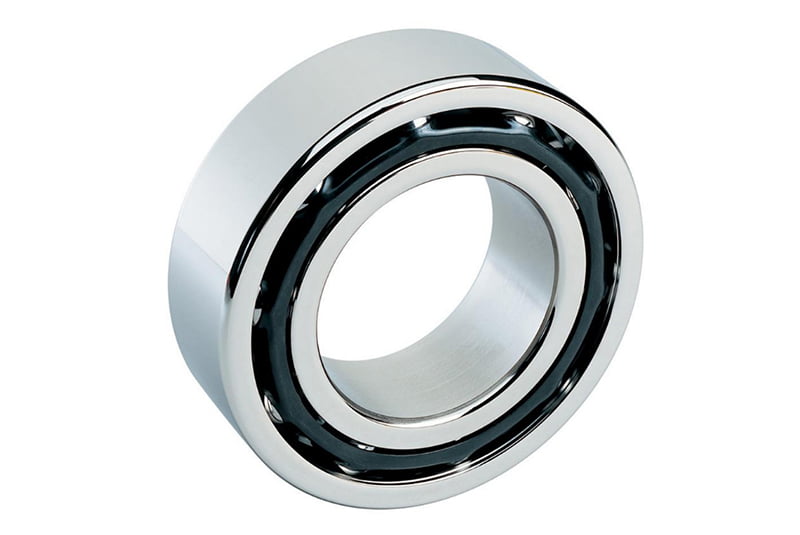
GCr15, as a high-carbon chromium bearing steel, offers high wear resistance, high strength, and good corrosion resistance. This steel grade has moderate cold workability, average machinability, and poor weldability, but it is widely used in fields such as ball bearing manufacturing. In humanoid robots, GCr15 can be used to manufacture various bearing rings and rolling elements, such as bearings in joint areas, ensuring that the robot’s joints operate flexibly and stably while enduring repeated mechanical stress.
Chemical Compositions of Common Specialty Steels in Humanoid Robots
| Specialty Steel Type | Application Component | C | Si | Cr | Mn | P | S | Mo |
| 50CrMo4 | Planetary Roller Screw & Harmonic Reducer | 0.46-0.54 | ≤0.4 | 0.9-1.2 | 0.5-0.8 | ≤0.025 | ≤0.035 | 0.15-0.3 |
| GCr15 | Planetary Roller Screw & Harmonic Reducer | 0.95-1.05 | 0.15-0.35 | 1.30-1.65 | 0.20-0.40 | ≤0.027 | ≤0.020 | / |
| 40Cr | Harmonic Reducer | 0.37-0.44 | 0.17-0.37 | 0.80-1.10 | 0.50-0.80 | ≤0.035 | ≤0.035 | / |
Usage of Specialty Steels in Humanoid Robots
In a single humanoid robot, the usage of 50CrMo4 alloy steel, GCr15 bearing steel, and 40Cr alloy steel is 7.7 kg, 4.9 kg, and 1.4 kg, respectively.
| Specialty Steel Type | Single Unit Usage (kg) | Market Space Estimate for Specialty Steel under the Assumption of 1 Million Humanoid Robot Sales (tons) |
| 50CrMo4 | 7.7 | 7700 |
| GCr15 | 4.9 | 4900 |
| 40Cr | 1.4 | 1400 |
Market for Specialty Steels in Humanoid Robots
Specialty steel materials are important raw materials for humanoid robot components. Compared to ordinary steel, specialty steel exhibits superior physical and chemical properties. In a single humanoid robot, the usage of specialty steel materials, permanent magnet materials, and PEEK is 16.8 kg, 3.4 kg, and 10.5 kg, respectively. With long-term sales reaching 10 million units, specialty steel materials are projected to drive a market demand of 168,000 tons, promising new development opportunities as the humanoid robot market expands.
FAQs about Specialty Steels in Humanoid Robots
Why Chromium is Used in Specialty Steels in Humanoid Robots
Chromium is an element with significant applications in humanoid robots. Due to its high hardness, high melting point, and corrosion resistance, chromium offers advantages such as high-temperature resistance, wear resistance, and resistance to acid and alkali corrosion, aligning well with the material requirements of humanoid robots and making it widely applicable in robot materials.
Adding chromium to carbon steel enhances its hardenability and provides secondary hardening, improving the hardness and wear resistance of carbon steel without making it brittle. Chromium-containing specialty steels are used in planetary roller screws and harmonic reducers, enhancing the overall strength, wear resistance, and other properties of these components.
Chromium nitride hard alloy coatings exhibit high hardness, high wear resistance, and good chemical stability. Applying a chromium nitride coating to robot joint surfaces through nano-coating processes can further enhance surface hardness and wear resistance, extend service life, improve surface smoothness and friction performance, and increase motion accuracy and stability. Additionally, the outer shells of humanoid robots can also use chromium-containing coatings to improve surface brightness and hardness.
Image Credits: Qilusteelgroup & Xometry & Ifspecialsteel & Voestalpine