
Table of Contents
Magnesium alloys, one of the lowest-density metallic structural materials used in current engineering applications, enable lightweighting in robots with its high specific strength and good thermal dissipation capabilities. This enhances robot movement speed and increases effective payload.
Definition of Magnesium Alloy
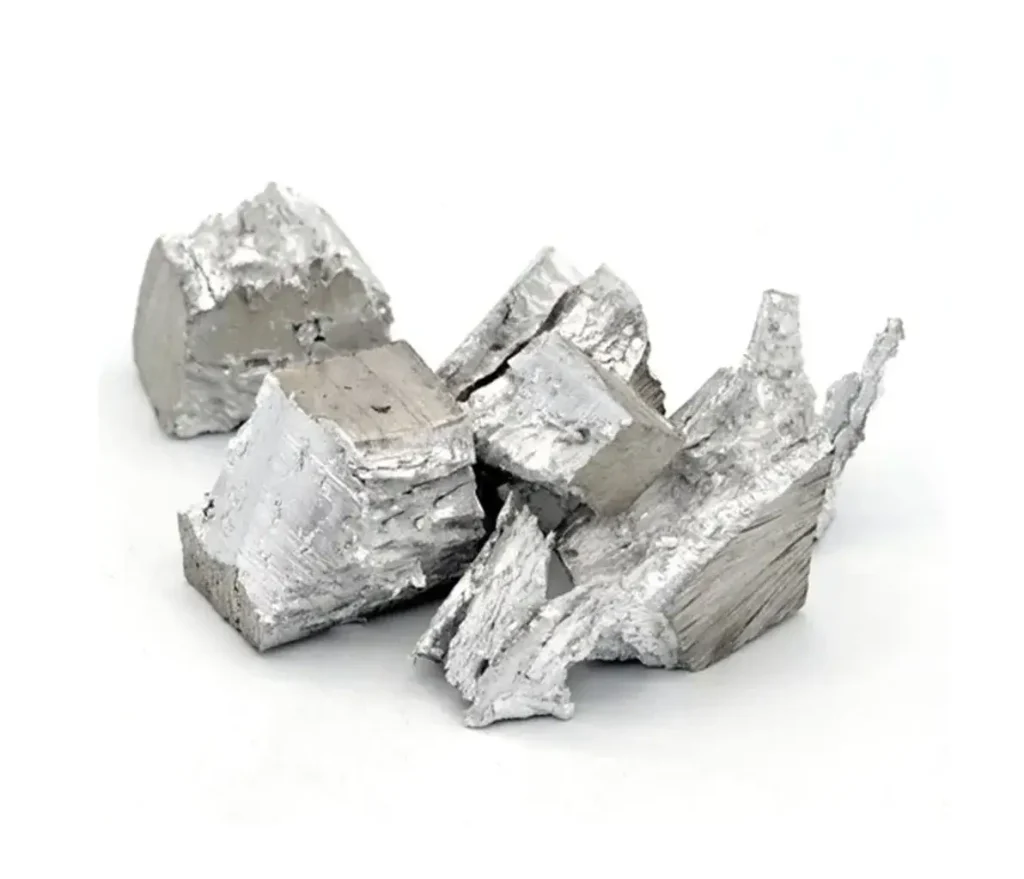
Magnesium alloy is a material composed primarily of metallic magnesium, alloyed with other elements such as aluminum, zinc, manganese, zirconium, and rare earths. Characterized by low density, high specific strength, excellent damping and vibration absorption properties, and ease of recycling, it finds wide application in aerospace, automotive manufacturing, robotics, and other fields.
Classification of Magnesium Alloys
Based on the primary alloying elements, magnesium alloys can be categorized into the AZ series (Mg-Al-Zn), AM series (Mg-Al-Mn), AS series (Mg-Al-Si), and AE series (Mg-Al-RE).
The AZ series offers good mechanical properties, castability, corrosion resistance, and high yield strength, making it suitable for manufacturing complex thin-walled die-castings.
The AM series is often used for components subjected to impact loads and requiring high safety. The AZ91D and AM60B grades account for approximately 90% of the magnesium alloy market.
Advantages of Magnesium Alloys in Robotics
| Exceptional Vibration Damping: Magnesium alloy’s low elastic modulus allows it to absorb up to 50% more vibrational energy than aluminum alloy under equivalent impact loads. With a damping performance five times that of aluminum, its application in core components like collaborative robot arms and joint housings can reduce resonant amplitude by up to 40% and improve trajectory repeat positioning accuracy by 0.02mm.
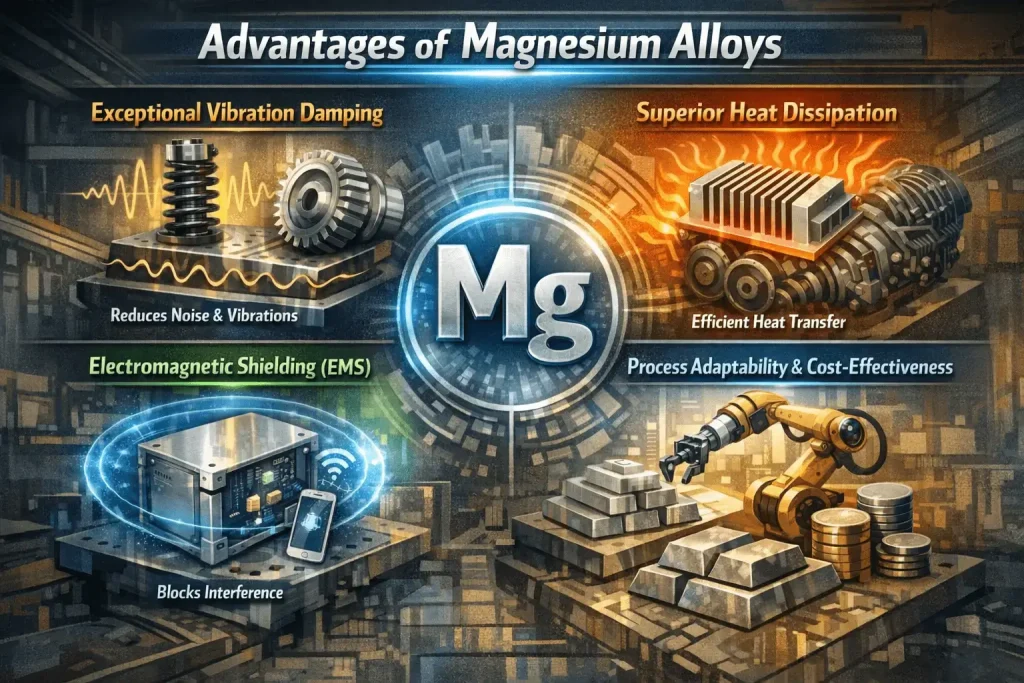
| Superior Heat Dissipation & Electromagnetic Shielding (EMS): Although its thermal conductivity is half that of aluminum, magnesium’s lightweight enables thin-wall designs, creating greater temperature differentials and stronger convection, ultimately improving heat dissipation efficiency by 10-15% compared to aluminum. Furthermore, it provides effective EMS (≥70 dB per international standards), resisting external electromagnetic interference.
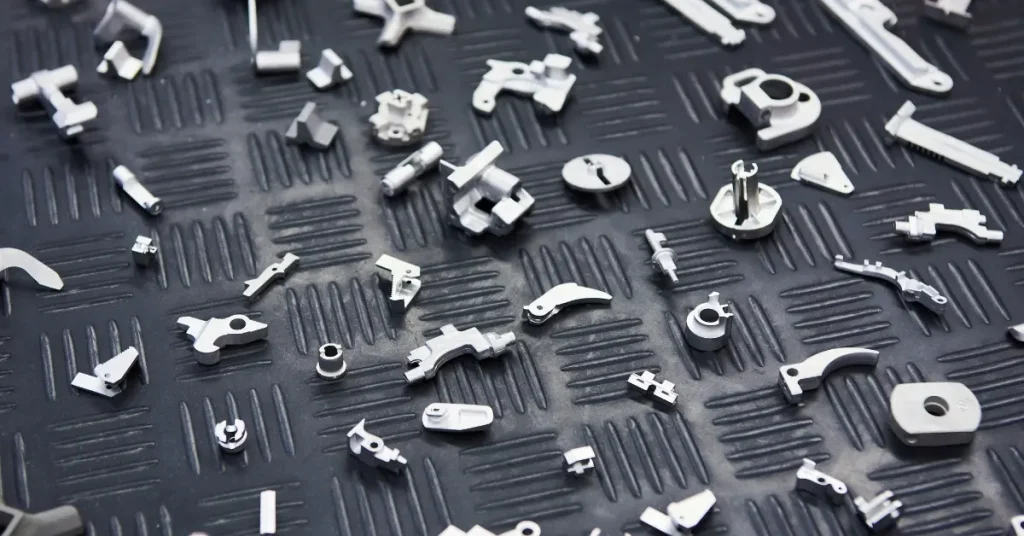
| Excellent Process Adaptability: Breakthroughs in technologies like semi-solid injection and vacuum high-pressure casting have overcome previous size limitations. The maturity of integrated die-casting technology enables efficient mass production of large magnesium alloy structural components, significantly boosting productivity.
| Emerging Cost-Effectiveness: Advances in production technology and scale have gradually reduced magnesium’s cost. The Mg/Al price ratio has dropped from a historical high above 1.5 to around 0.8, alleviating industry cost pressure. In practical applications, the per-unit cost of magnesium alloy joint modules is now lower than that of aluminum alloy solutions, offering advantages for large-scale substitution.
Material Property Comparison: Magnesium Alloy vs. Aluminum Alloy vs. PEEK vs. Carbon Fiber
| Material | Density | Specific Strength | Cost | Manufacturability |
| Magnesium Alloy | 1.8 | High | Low | Mature Die Casting |
| Aluminum Alloy | 2.7 | Medium | Low | Easy to Process |
| PEEK | 1.3 | Extremely High | Extremely High | Difficult to Process |
| Carbon Fiber | 1.5 | Extremely High | Extremely High | Complex Process |
Challenges for Magnesium Alloys in Robotics
Despite significant potential, magnesium alloys face challenges that must be overcome to unlock further growth.
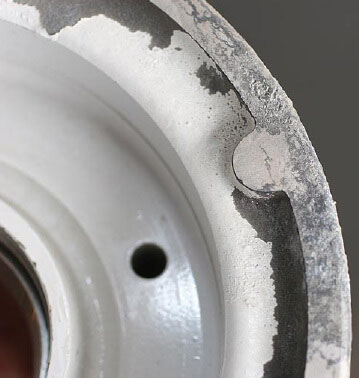
| Corrosion Resistance Needs Improvement: Magnesium’s high chemical reactivity remains a challenge. Although surface treatments like anodizing and micro-arc oxidation can extend salt spray resistance from under 200 hours to over 1000 hours, long-term durability in harsh, humid, or high-salt environments requires further enhancement.
| Design and Application Experience is Lacking: Compared to the mature design standards for aluminum in robotics, magnesium’s application history is shorter. Dedicated design specifications tailored for robotic scenarios are not yet complete, requiring more practical case studies to accumulate engineering experience and address technical gaps.
| Multi-Material Integration Technology Needs Breakthroughs: Future humanoid robots will likely employ integrated solutions combining magnesium alloys, carbon fiber, PEEK, and other materials based on performance needs for different parts. This trend demands higher engineering capabilities in cross-material joining, performance matching, and integrated design.
Development Directions For Magnesium Alloys
Process Innovation
Semi-solid forming technology, utilizing the properties of metal during the liquid-to-solid transition (co-existing phase), is considered a core driver for the large-scale development of magnesium alloys. Semi-solid magnesium products can achieve mechanical and corrosion properties comparable to die-cast aluminum alloys.
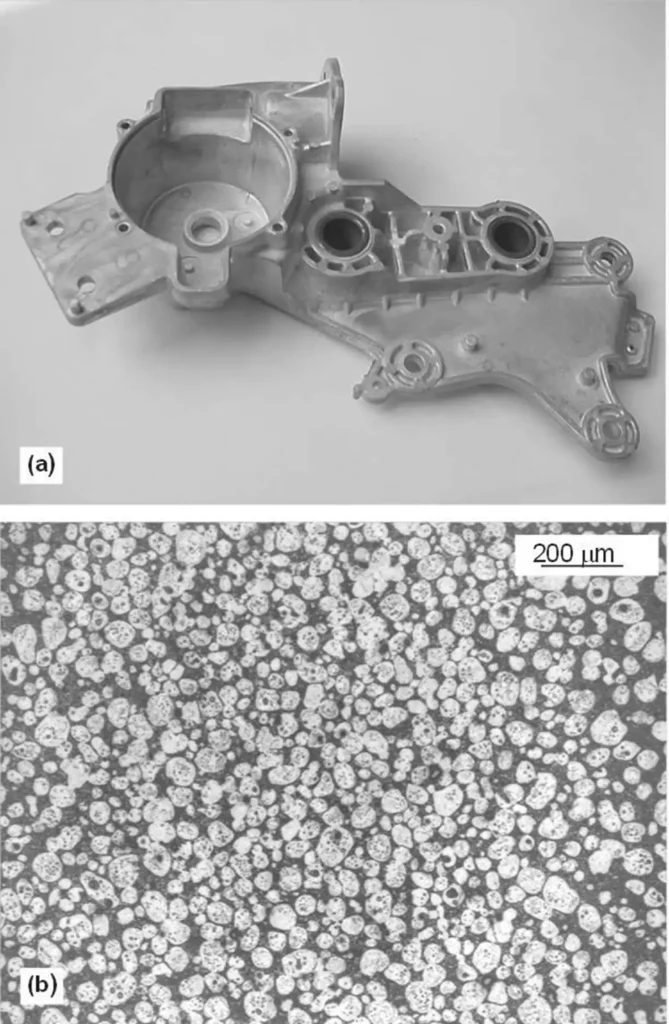
This technology improves corrosion resistance by reducing internal porosity and gas voids to below 0.1%, increasing part density. In neutral salt spray tests, new semi-solid magnesium materials show better corrosion resistance than die-cast ADC12 aluminum alloy, with tensile and yield strengths similar to die-cast products. Furthermore, semi-solid injection molding lowers the forming temperature from 650°C to 580°C, reducing energy consumption by 30%.
Material Innovation
| Rare Earth Modification: The solubility of rare earth elements in magnesium decreases with temperature. During cooling, fine secondary phase particles precipitate from the matrix, maintaining coherent or semi-coherent relationships that effectively hinder dislocation movement. Controlling the size, quantity, and distribution of these precipitates significantly increases alloy strength and hardness. Adding elements like Neodymium and Yttrium (e.g., in WE43) can boost high-temperature strength by 40% while refining grain size to below 3.45μm, balancing strength and plasticity.
| Composite Material Development: Materials like graphene, with excellent mechanical, electrical, and thermal properties, can enhance the strength, conductivity, thermal conductivity, and corrosion resistance of magnesium alloys when used in composites, while also improving processability and biocompatibility. Magnesium-graphene composites can achieve a thermal conductivity of up to 300 W/(m·K), a 50% increase over pure magnesium, showing broad application potential.
Examples of Magnesium Alloy Applications in Robotics
Tesla’s Optimus robot is a benchmark case for magnesium alloy lightweighting. Reports indicate the second-generation Optimus uses magnesium alloy as a key lightweight material for skeletal structures and motor drive components. Incorporating numerous magnesium parts helped Optimus Gen2 reduce weight by approximately 10 kg compared to its predecessor.

Tesla leverages the advantages of magnesium die-casting. All rotating joint housings in Optimus Gen2 are integrally die-cast from magnesium alloy, reducing weight while cutting joint manufacturing costs by about 40%. Similar to the “Giga Press” integrated die-casting in Tesla vehicles, this is seen as a revolutionary approach to overcoming traditional robot weight and cost barriers.
Recommended In-depth Reading from AI Robots Eidos
Material lightweighting is a primary approach to achieving lightweight humanoid robots. Current mainstream solutions include magnesium alloys, high-performance engineering plastics, and carbon fiber composites. Material lightweighting is evolving from a reliance on single aluminum alloys toward a more diverse material system.
Magnesium alloys and high-performance engineering plastics possess yield strength and specific strength comparable to those of aluminum alloys, with negligible impact on structural strength and relatively manageable costs, making them the most promising mainstream solutions.
Although carbon fiber materials offer the best performance in terms of yield strength and specific strength—for example, Optimus Gen2 uses continuous carbon fiber-reinforced PEEK composites to achieve a 70% weight reduction in its arms and a total weight reduction of 10 kg for the entire robot.
If readers are interested in this topic, they can explore related articles in greater depth, such as those on high-performance engineering plastics, modified nylon (PA), PC/ABS, and more.
More Applications of Magnesium Alloys In The Field of Robotics
Robot Joint Modules & Transmission Components
Ubtech’s Walker X utilizes ZM5 magnesium alloy for its hip transmission gearbox, resulting in a 55% weight reduction compared to steel.
Zhiyuan Robot’s waist rotation mechanism frame utilizes AZ91D magnesium alloy via vacuum die-casting, reducing overall moment of inertia by 37%.
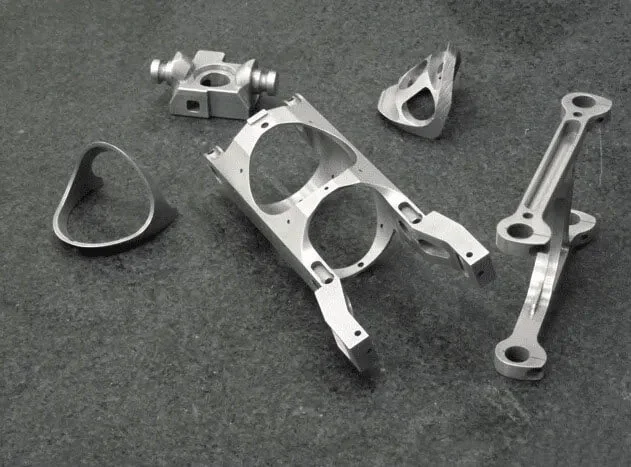
Tesla Optimus Gen3’s knee joint support structure employs topology-optimized magnesium alloy, achieving 42% weight reduction while maintaining a 120kg load capacity.
Robot Skeletons & Structural Frames:
Tesla Optimus uses magnesium alloy for parts of its biomimetic finger skeleton, significantly reducing hand mass without sacrificing strength. This weight reduction in limbs and joints improves agility and allows the use of smaller, lower-power motors and reducers, creating a chain reaction of weight and energy savings.
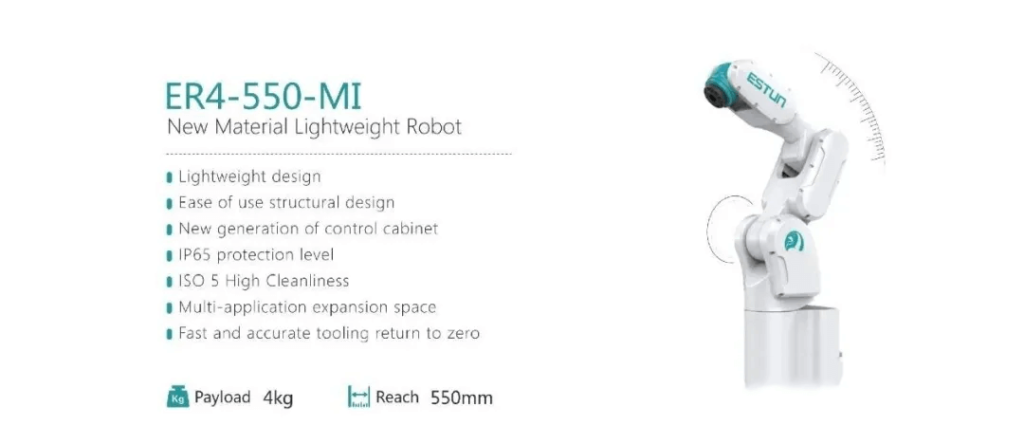
Estun, in collaboration with Baowu Magnesium, launched the ER4-550-MI magnesium alloy robotic arm. Its lightweight design, substituting aluminum, reduced total weight by 11%, increased cycle speed by 5%, lowered energy loss by 10%, and improved vibration damping and EMI shielding.
Robot Body Housings
AZ91D magnesium alloy has a density of only 1.7 g/cm³ (approximately 2/3 that of aluminum, 1/4 that of steel), strength higher than aluminum and steel, and specific stiffness close to them. It can bear certain loads, offers good castability and dimensional stability, and has a high damping coefficient (greater vibration absorption than aluminum or cast iron), making it very suitable for robot housings.
Battery Enclosure Components
The T1 Pro humanoid robot’s magnesium alloy battery box uses high-performance vacuum die-casting and specialized surface treatment. It achieves over 15% weight reduction compared to aluminum solutions, with salt spray resistance reaching 48 hours and impedance stably controlled below 50 mΩ.
Magnesium Alloy Market Size
The future market capacity is considerable, with magnesium alloy demand poised to explode alongside robot production scaling. Current drivers for increased adoption in robotics include: energy savings and agility gains from lightweighting, rigid thermal management requirements, and the further highlighting of cost advantages after mass production.
GGII predicts global humanoid robot sales may reach 12,400 units in 2025, nearly 340,000 by 2030, and exceed 5 million by 2035. Assuming 8-12 kg of magnesium alloy per unit, demand could grow exponentially, potentially reaching 124 / 3,400 / 50,000 tons in 2025 / 2030 / 2035, respectively. (Note: This is an institutional forecast; readers should view it with appropriate caution.)
Insight from AI Robots Eidos about Magnesium Alloy
| Design Revolution: The lightweight design of magnesium alloy can reduce motor power and enhance movement speed, but this may just be the beginning. Future robot designs may shift from “weight reduction” to “system-level restructuring”—for example, a lighter skeleton could allow for smaller batteries, more compact drive systems, and even changes in joint configurations (such as employing biomimetic flexible joints), leading to a new generation of high-dynamic, low-energy-consuming robot architectures.
| Integration of Magnesium Alloy and Artificial Intelligence: In the future, magnesium alloy may be combined with embedded sensors (such as fiber optic sensors and piezoelectric elements) to achieve real-time monitoring of material conditions (such as fatigue cracks and early signs of corrosion), enabling the robotic structures to possess “self-sensing” capabilities, paving the way towards intelligent structural systems.
Image Credits: Xometry & AI & Avstop & Greengubregroup & Hdcmfg & Tandfonline & Electrek