PPS Plastic Material: The Ideal “Skeleton” for Axial Flux Motors
Table of Contents
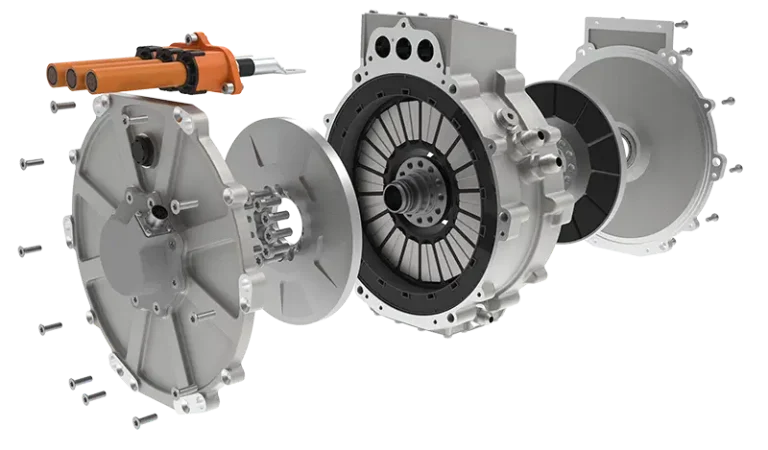
High-performance engineering plastics, represented by PPS plastic material, are gradually replacing traditional metal housings for the stators and cores of axial flux motors. This shift not only aims to achieve lightweighting for axial flux motors but also facilitates their further application in robotic actuation systems.
What Is PPS Plastic?
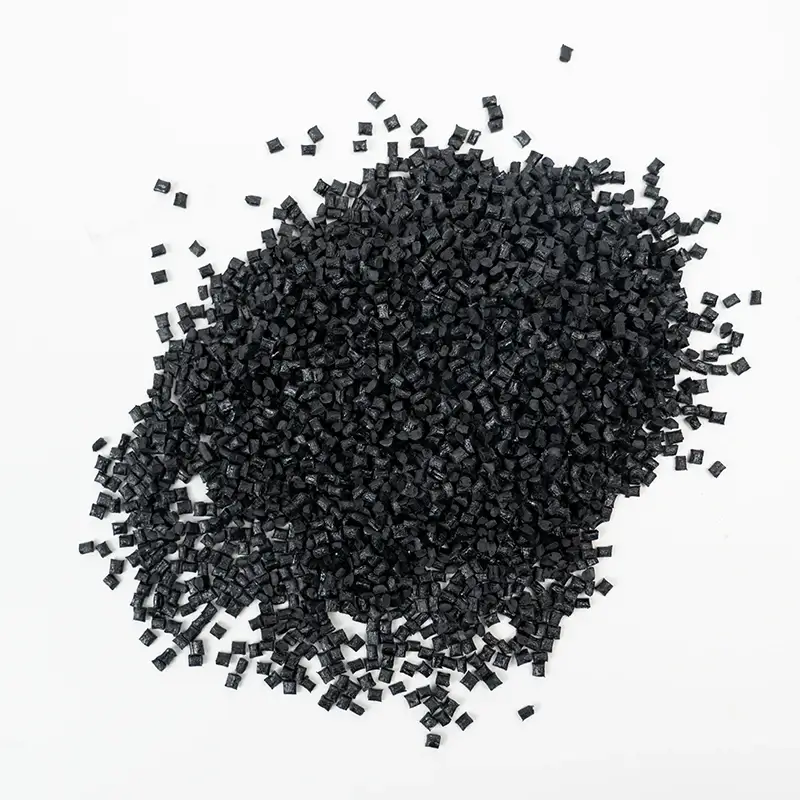
Polyphenylene Sulfide (PPS) Plastic is a semi-crystalline thermoplastic engineering plastic. Its molecular backbone consists of benzene rings and sulfur atoms alternately connected, with the molecular structural formula being -[Ph-S]n- (where Ph represents a benzene ring). This unique combination of rigidity and stability earns it the nickname “plastic gold.”
Advantages of PPS Plastic Material
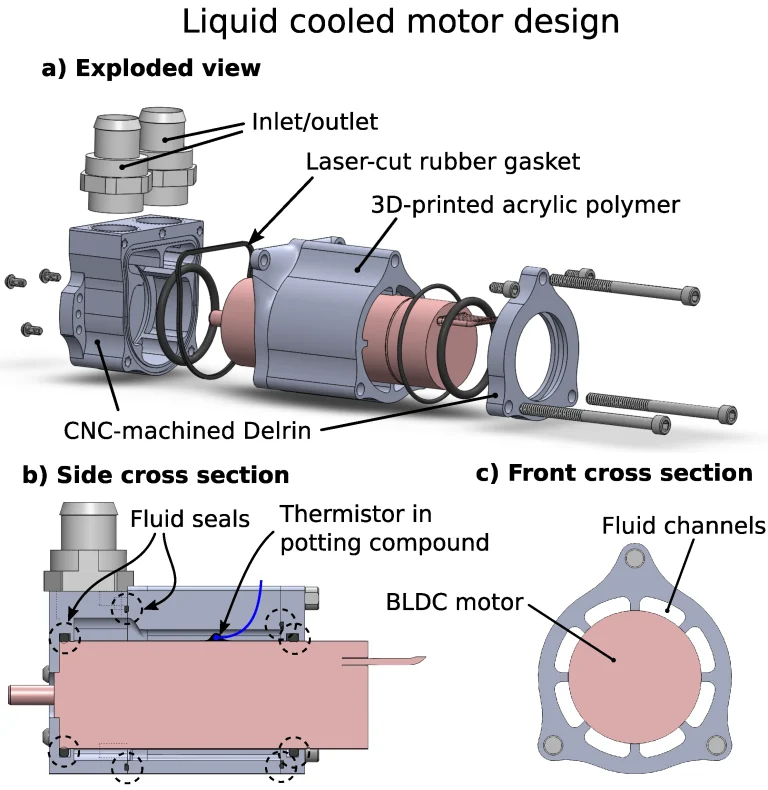
Axial flux motors, especially in hub drive applications, have stators that endure long-term exposure to high temperatures, strong electromagnetic fields, and complex mechanical stresses. While traditional metal housings offer reliable strength, they have limitations in weight reduction, electrical insulation, corrosion resistance, and the forming of complex geometries. PPS engineering plastic provides a comprehensive solution:
| Exceptional Thermal Resistance and Stability: PPS plastic material maintains a continuous service temperature of 200-220°C, with the ability to withstand even higher short-term peaks. Its extremely low water absorption rate (<0.05%) ensures dimensional and insulation stability in humid environments, eliminating risks associated with metal corrosion or performance degradation from moisture absorption.
| Inherent Electrical Insulation and Safety Barrier: As an outstanding dielectric material, the PPS plastic provides a crucial structural insulation barrier for high-voltage e-drive systems (e.g., 800V platforms), thereby simplifying overall insulation design.
| High Strength and Dimensional Precision: PPS plastic material exhibits mechanical strength and rigidity comparable to certain metals, combined with very low molding shrinkage and excellent thermal dimensional stability. This enables it to meet the stringent assembly tolerance requirements of motor stators, ensuring uniform air gaps and consistent electromagnetic performance.
| Significant Weight Reduction Benefits: With a density of approximately 1.6-1.9 g/cm³—significantly lower than aluminum alloy (~2.7 g/cm³) and steel—using PPS for non-magnetic structural components like housings can achieve weight reductions of 30%-50%. This directly lowers unsprung mass, benefiting vehicle handling responsiveness and driving range.
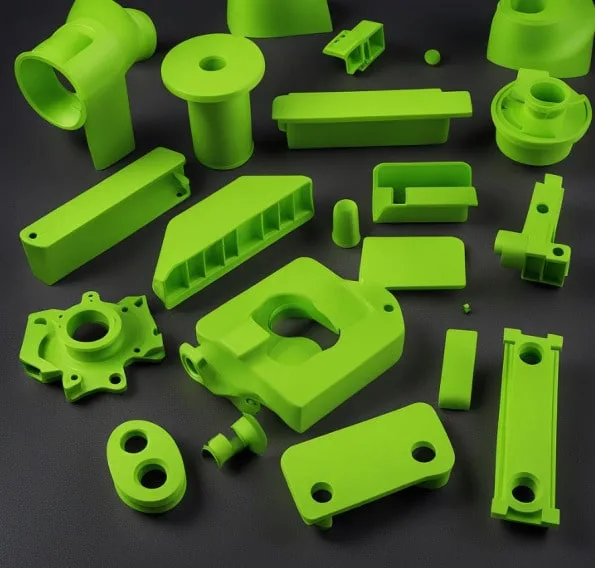
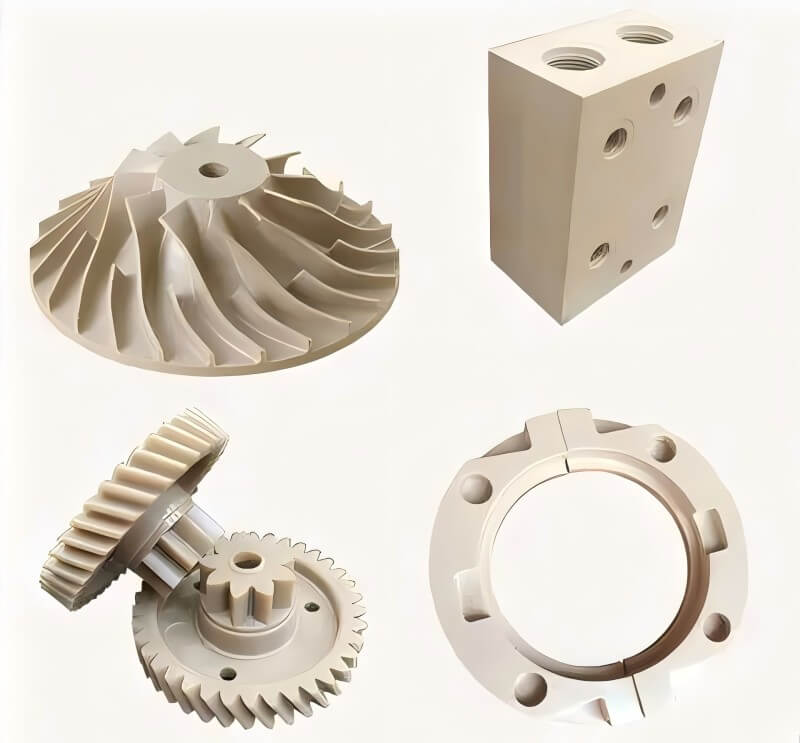
| Design Freedom for Integration: Precision injection molding allows for the integration of multiple functional features—such as cooling fins, mounting bosses, sensor brackets, and wire harness channels—into the housing in a single process. This enables structural-functional integration, reducing part count and assembly complexity.
| Optimal Balance of Cost and Performance: Leveraging Mold Flow Analysis (MFA) and Structural Stress Simulation (CAE) for topological optimization and gating system design ensures structural integrity while optimizing cooling channel layouts. This achieves an optimal balance between mechanical performance, thermal management efficiency, and production economics.
Challenges of PPS Plastic Material
| PPS Plastic Cost: The price of PPS plastic ranges from US$8,000 per ton (for standard grades) to US$10,000 per ton (for high-end grades). PPS material carries a relatively high production cost, particularly for high-performance modified grades. Its raw material price is typically 1-2 times higher than that of general-purpose engineering plastics, with modification processes adding further cost. This limits its adoption in highly cost-sensitive, low-end markets. Cost reduction hinges on technological refinements and economies of scale.
| Processing Difficulties: PPS melt viscosity is highly sensitive to temperature; a variation of ±5°C can alter viscosity by up to 20%, demanding precise thermal control and strict process management. Additionally, thermal oxidative cross-linking during melting can reduce flowability, increasing processing difficulty and imposing higher demands on equipment and Process.
| Environmental and Sustainability Considerations: Conventional PPS production relies on petroleum-based feedstocks, subject to environmental scrutiny. While alternatives like bio-based PPS are emerging, challenges in scalable production and cost competitiveness remain. Furthermore, recycling and reuse technologies for PPS require further development to align with circular economy principles.

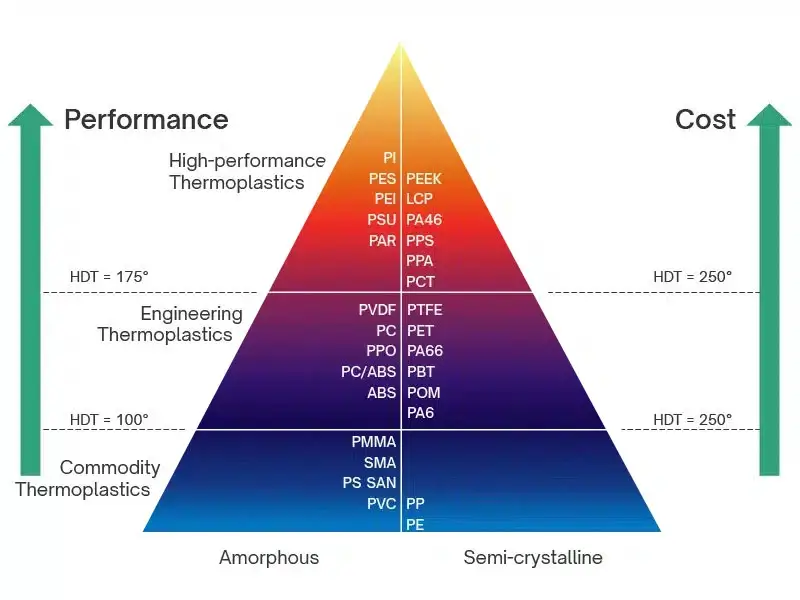
| Competition from Alternative Materials: In high-temperature, high-performance sectors, PPS faces competition from materials like PEEK, PI, and LCP. These alternatives may offer advantages in specific properties such as heat resistance or mechanical strength. As their costs gradually decrease, they pose a growing challenge to PPS’s market position.
Despite these challenges, in high-value applications such as robotics, where extreme lightweighting and performance are paramount for axial flux motors, the combined benefits of PPS housings often make them the preferred solution.
Production Process of PPS Parts
| Prototype Validation: Utilizing CNC precision machining and rapid soft tooling to produce high-fidelity prototype samples. This phase focuses on validating physical fit with stators and windings, insulation clearances, cooling channel efficacy, and overall assembly logic, thereby reducing early-stage development risks and lead time.
| Mold Engineering and System Design: Employing special corrosion-resistant stainless steel or hard alloy mold steels suited to PPS’s processing demands. Techniques like balanced hot runner systems and sequential valve gating are applied, with precise calculations for shrinkage and cooling to ensure dimensional stability and mold longevity in mass production.
| Injection Molding: Conducted in controlled cleanroom environments using high-temperature injection machines with precise clamping force and specialized screws. Strict closed-loop process control over melt temperature, injection parameters, and mold temperature ensures optimal material properties are realized, yielding minimal dimensional variation and internal stress for precise core assembly.

| Inspection and Integration Verification: Implementing comprehensive quality control beyond basic checks. This includes thermal cycling (-40°C to 150°C), mechanical vibration and fatigue testing, and high-voltage insulation tests like PDIV. Final validation occurs on assembly lines simulating real-world conditions, ensuring “plug-and-play” compatibility.
New Opportunities For PPS Plastic: The Development of The Robotics Industry.
The joint actuation of humanoid robots demands high torque density, compactness, and resilience to frequent dynamic loads—requirements that align well with axial flux motor technology.
Companies like Pan Gu Power in China have adopted “axial flux motor + planetary reducer” solutions for humanoid robots. This approach leverages high torque density and gearing to achieve compact, lightweight joint modules with enhanced load capacity and impact resistance.
For instance, Pan Gu Power’s PDS5K robotic joint drive assembly weighs only 2.8kg (130mm diameter x 109mm thick) yet delivers 156 N·m rated torque and 437 N·m peak torque, exemplifying an excellent balance of weight and performance. Several humanoid robot prototypes have demonstrated the advantages of this drive approach.
For robot manufacturers, PPS plastic material offers distinct benefits:
| System Cost Optimization: Integrated molding consolidates parts, eliminating multiple metal machining, joining, and finishing steps, potentially reducing processes by over 40% and lowering overall manufacturing costs.
| Agile Design Iteration: Modifying plastic molds is generally faster and less costly than altering metal molds, facilitating rapid design cycles and performance optimization.
| Facilitation of Component Integration: The adaptability of PPS housing designs supports modular development of robot components, streamlining customization and assembly.
Recommended Related Reading from AI Robots Eidos
With the advancement of materials science, not only PPS plastic material, but also an increasing number of types of engineering plastics are being used in the robotics industry, playing an increasingly important role. If you are interested in the topic of engineering plastics and want to learn about their applications in the robotics industry, please read this article on engineering plastics.
The commercialization of axial flux motors represents a convergence of electromagnetic design innovation, advanced materials science, and precision manufacturing. The PPS plastic material, enabled by integrated injection molding, stands as a critical engineering solution for overcoming mass-production barriers and unlocking the full performance potential of these motors.
Insight from AI Robots Eidos about PPS Plastic Material
| Material Definition Function: Future motor designs may begin with the question: “What functional integration can integrated injection molding of PPS achieve?” This transforms the motor from an assembly of “stator + housing” into a highly integrated “power functional unit” shaped by high-performance plastics. Essentially, this shifts system-level engineering design down to the materials and manufacturing aspects.
| Smart “carrier”: Future PPS plastic material could directly embed micro strain sensors, fiber Bragg gratings, or temperature sensor arrays during the injection molding process, making them an “intelligent skin” that actively senses joint forces, temperature, and vibrations, thus providing native data for the robot’s proprioception.
Image Credits: Plasticmold & Firstmold & Eycpu & PPS-environmental & AI