Robot Grease: Small Cost, Massive Payoff
Table of Contents
Robot grease accounts for less than 1% of a robot’s total cost, yet it determines the service life of the robot’s transmission components and the efficiency of equipment operation. As industrial robot applications expand and humanoid robots emerge, its value will continue to grow.
Definition of Robot Grease
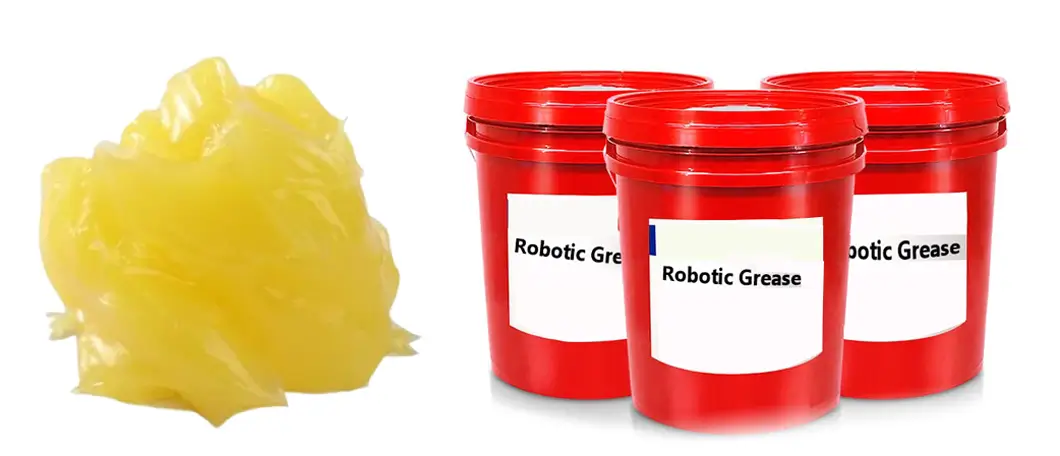
Robot grease is a specialty lubricating material designed for the precision motion components of robots, often referred to as robot maintenance grease or robot lubricating grease/oil. Robot grease is mainly composed of base oils (such as mineral oil, synthetic oil, perfluoropolyether, etc.), thickeners (such as lithium-based, polyurea, complex calcium sulfonate, etc.), and functional additives (such as extreme-pressure anti-wear agents, antioxidants, rust inhibitors, etc.), manufactured through specific processes (e.g., contactor grease-making processes) to suit the complex motion scenarios of robots.
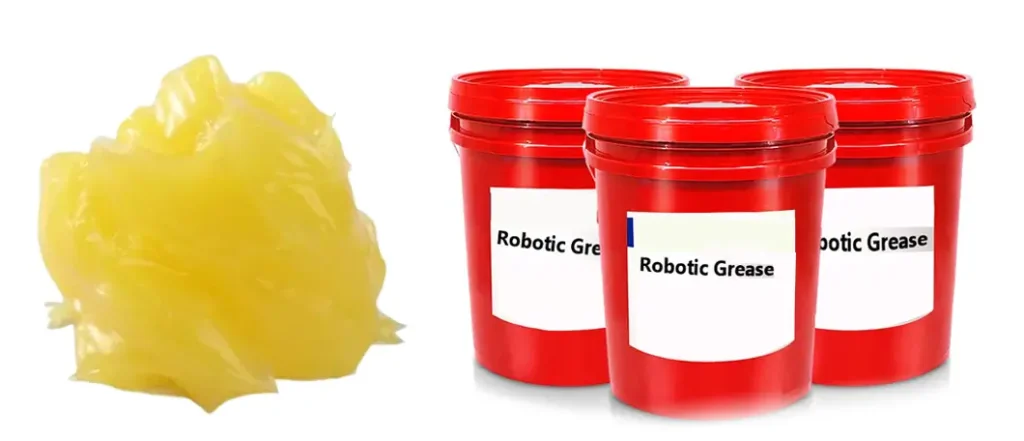
Functions of Robot Grease
The primary function of robot grease is to reduce friction and wear in joints, reducers, and bearings, thereby ensuring smooth motion, high repeatability, and extended component life.
When robots are in operation, regardless of constant temperature and humidity conditions, some wear is inevitable. If robots are not maintained over the long term, many precision structures inside can suffer irreversible damage. For example, industrial robots, which operate under heavy loads, high-frequency reciprocation, and high-speed motion year‑round, impose enormous friction and impact forces on the joints, reducer gears, bearings, ball screws, and other components. Insufficient lubrication can lead to aggravated wear and reduced precision.
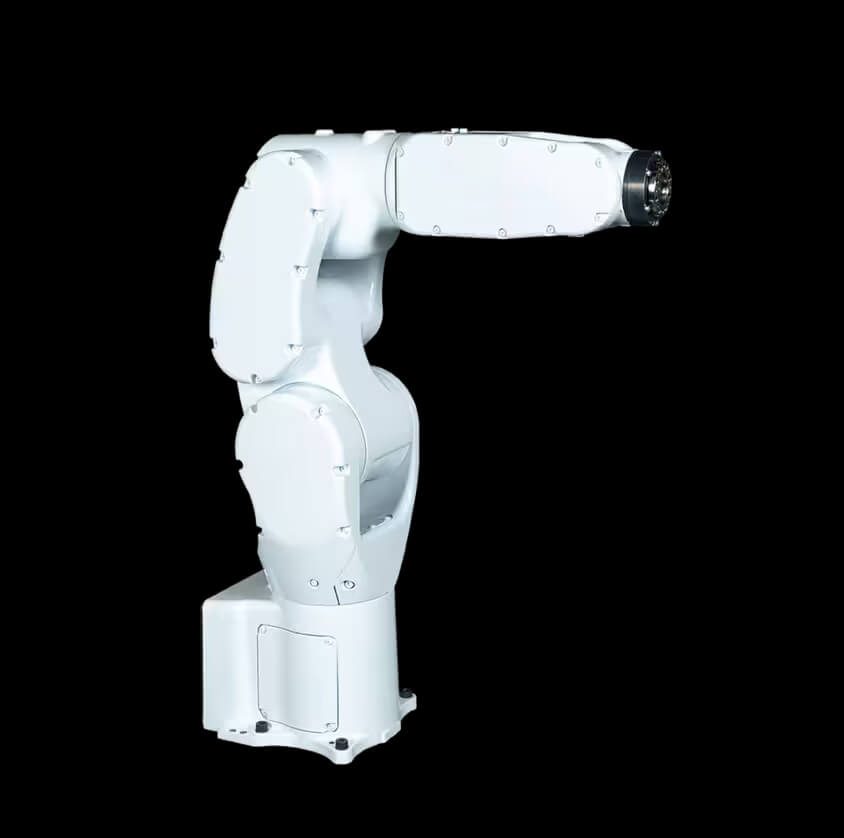
A white paper on robot grease products released by Castrol points out that about 80% of parts damage in industrial robots is caused by friction and wear. As the key to reducing friction and wear, the importance of robot grease is self‑evident. Selecting suitable professional lubricating grease can extend the life of core transmission components such as reducers and joints, while also improving heat dissipation, rust prevention, sealing, and dust protection capabilities.
Technical Requirements for Robot Grease
–Extreme‑pressure and anti‑wear properties: Robots demand high positioning accuracy (e.g., repeat positioning). Once wear on reducers, bearings, and ball screws intensifies, it can lead to clearance changes and motion deviations. The grease must possess good anti‑wear and extreme‑pressure performance to help critical components maintain accuracy over time. Robot grease needs to form a high‑strength oil film to prevent issues such as pitting and scuffing.
AI Robots Eidos notes:
Pitting: The metal surface is originally smooth. However, because robot reducers and gears are constantly rotating, if the grease’s lubricating effect is poor and the oil film cannot withstand pressure, the metal surface will shed debris, creating small pits — that is pitting.
Scuffing: When metal gears mesh and slide at high speed, heat is generated. If lubrication fails, excessive surface temperature can cause the metals to adhere to each other, like two hot iron blocks stirring together. With slight movement, they stick, tear, and leave scratches on the metal surface — that is scuffing.
–Wide temperature range and stability: With the spread of robots—especially industrial robots—in diverse application scenarios, robot grease must function from -40°C cold‑storage environments to over 150°C welding workshops without solidifying, volatilizing, or coking. Otherwise, the grease loses its lubricating effect. Moreover, once robots are integrated into automated production lines, downtime and maintenance costs are extremely high. If the grease lacks stability, frequent replenishment or replacement not only increases maintenance costs but may also disrupt the entire line’s production rhythm. The oxidation resistance of the grease is crucial for stable robot operation, as it maintains performance over long working hours and provides reliable support for continuous, efficient operation.
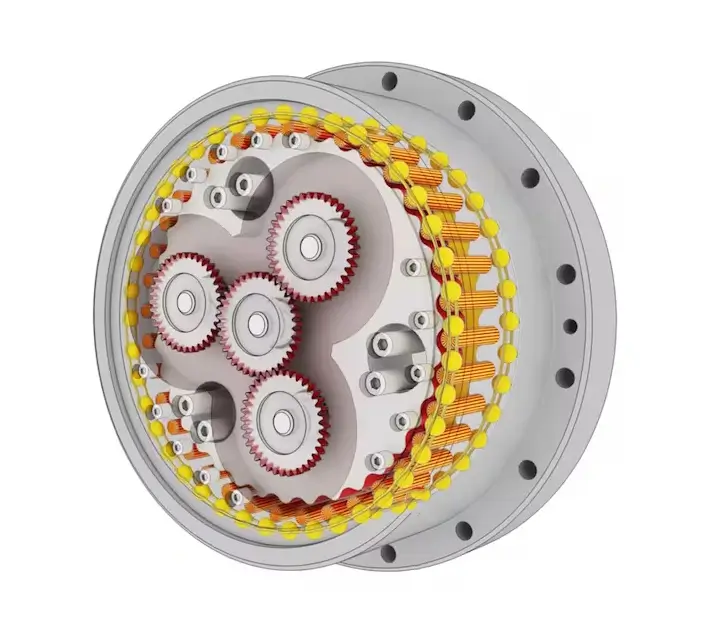
–Strong adhesion and shear resistance: Robot joints swing at high speeds and start/stop frequently. This requires that robot grease have a certain consistency at room temperature to firmly adhere to component surfaces; yet when the robot starts, under shear force, the grease should quickly thin and flow into friction areas to provide timely lubrication—ensuring stable operation whether at high speed or during instantaneous starts and stops. Even after long‑term use, the grease should not thin out or leak.
Classification of Robot Grease
Faced with complex and diverse application scenarios, the robot lubricant market exhibits a high degree of segmentation. Different product types, different base oils, different components, and even different robot types have varying lubrication needs.
–By product type: The market is mainly divided into hydraulic oils, gear oils, greases, dry lubricants, and solid lubricants. Among these, grease—due to its semi‑solid nature—provides lasting lubrication in robot joints and bearings, making it the preferred choice for highly maintenance‑free applications.
–By base oil: Mineral oils, synthetic oils, and bio‑based oils each have their strengths. Synthetic oils, with their thermal stability, oxidation resistance, and longer service life, occupy an important position in high‑performance robot systems. As environmental requirements increase, the development of bio‑based lubricants is becoming a new trend.
–By component: Grease for RV reducers emphasizes extreme‑pressure anti‑wear and long life; grease for harmonic reducers focuses on low friction and anti‑fretting wear; grease for guide rails and ball screws pursues low friction and precise lubrication; joint grease balances wide temperature range, anti‑wear, and adhesion.
–By robot type: Industrial robots, collaborative robots, service robots, and humanoid robots each have special needs. Industrial robots require high‑performance lubricants that support continuous high‑speed operation; collaborative robots, sharing workspace with humans, need safe, clean bio‑based lubricants; service robots demand lubricants with minimal residue.
Recommended Related Reading from AI Robots Eidos
Robot Grease solves the wear problem of industrial robots. The knowledge involved in industrial robots is extensive. If readers have a comprehensive understanding of industrial robots, please read this article: Industrial Robots: Strength, Speed, and Intelligence.
Technical Parameters of Robot Grease (For Reference Only)
| Typical Data | Unit | Test Method | PE 162 | PE 172 |
| Color | – | Visual | Yellow | Yellow |
| Base Oil | – | – | Semi‑synthetic | PAO Synthetic Oil |
| Thickener | – | – | Lithium‑based | Lithium‑based |
| Base Oil Viscosity at 40°C | mm²/s | ISO 3104 | 100 | 18 |
| NLGI Grade | – | NLGI | 0 | 2 |
| Worked Penetration | 0.1 mm | ISO 2137 | 400–430 | 265–295 |
| Dropping Point | °C | ISO 6299 | 190 | >180 |
| Four‑Ball Wear Scar Diameter | mm | ASTM D 2266 | 0.5 | 0.5 |
| Four‑Ball Extreme Pressure Test | daN | ASTM D 2596 | 315 | >315 |
| Temperature Range | °C | – | –30 to +140 | –40 to +130 |
How to Choose the Right Robot Grease
How should companies select the robot lubricating grease that suits their needs? We recommend evaluating from three dimensions: application scenario matching, performance verification, and total cost of ownership.
–Application scenarios: Companies should assess the robot’s working environment. In the food industry, lubricants with NSF H1 certification should be chosen; in semiconductor cleanrooms, low‑volatility, dust‑free specialty greases are required; in chemical environments, products with corrosion resistance and chemical resistance should be prioritised.
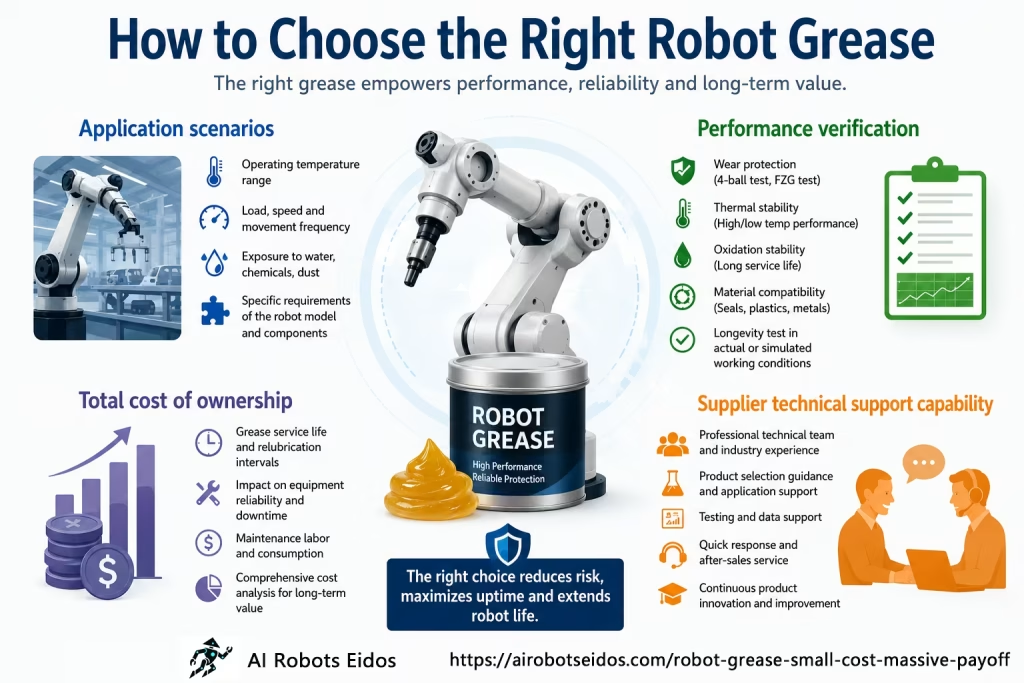
–Performance verification: Verifying product performance data is crucial. Request third‑party test reports based on international standards to confirm viscosity stability, anti‑wear properties, and oxidation stability under simulated extreme conditions. For robots operating in harsh environments, special attention should be paid to the product’s wide‑temperature performance and environmental adaptability.
–Total cost of ownership: Consider the total lifecycle cost rather than just the purchase price. Estimate the expected oil change interval and single maintenance labour cost for a specific application; analyse whether the product helps extend the overhaul interval of key components.
–Supplier technical support capability: A good supplier should offer full‑process lubrication management support, from initial selection to condition monitoring. Consider whether the supplier has cooperative experience or suitability studies with major robot brands in lubrication technology.
Examples of Robot Grease Selection (with Industrial Robots as Reference)
–Drive motor bearings: The grease used in servo motor bearings of industrial robots is generally lithium‑based or polyurea grease with a fully synthetic base oil. The base oils are mostly PAO (polyalphaolefin) and polyol esters. These two base oils offer excellent lubricating performance and low‑temperature flowability, effectively lubricating and protecting bearings under harsh working conditions, while also providing outstanding high‑temperature oxidation stability to meet the lifetime lubrication requirements of servo motor bearings.
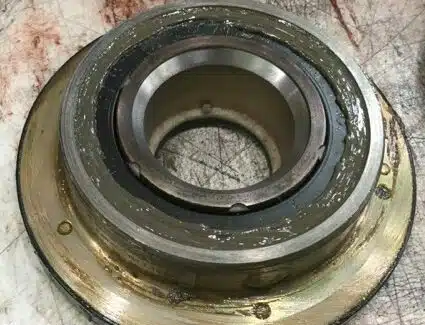
–Reducers: Since operating temperatures are generally not high, most industrial robot reducer greases use lithium‑based thickeners. To ensure a longer oil change interval, synthetic or semi‑synthetic base oils are generally chosen.
–Guide rails and ball screws: The thickeners used are generally lithium‑based or polyurea, and the base oil can be mineral or synthetic. In special environments such as vacuum, low temperature, or high temperature, greases that meet those specific conditions should be used.
Challenges Facing Robot Grease
–Extreme condition adaptation is the primary challenge. Robot joints often need to simultaneously cope with high loads, high‑speed motion, and precise positioning. When high‑speed industrial robots operate rapidly, joint temperatures can exceed 120°C, potentially causing system shutdowns—this imposes extremely high demands on the high‑temperature stability of lubricants.
–Diverse application scenarios bring special requirements. In the food industry, robot grease must meet food‑grade certification; in semiconductor manufacturing, ultra‑low volatility and dust‑free contamination are required; in chemical environments, the grease must withstand acidic/alkaline gases and solvent vapours.
–Long life and maintenance‑free operation are the core aspirations of smart manufacturing. In the aerospace field, because liquid lubricant volatilisation is unavoidable in ultra‑high vacuum environments, solid lubrication technology has been widely applied—over 75% of aerospace moving parts rely on solid lubrication. This technology is gradually penetrating the robotics field.
Technological Breakthroughs in Robot Grease
–Shear resistance: Scientists have enhanced the intermolecular forces among the base grease, thickener, and additives, enabling the lubricant to maintain stable performance after 600,000 shear cycles. This metric is critical for robot joints that frequently start, stop, and reciprocate.
–Thermal conductivity improvement: To address oxidation and failure caused by poor heat conduction, research teams have effectively solved the problem by constructing three‑dimensional network structures. Good thermal conductivity helps dissipate heat from critical robot components and extend their service life.
–Superlubricity technology: It represents a cutting‑edge research direction in lubrication. Superlubricity can reduce the friction coefficient to the order of one‑thousandth or even less, compared with 0.01–0.1 for conventional lubricating oils. Under laboratory conditions, this technology has already reduced gearbox temperatures by 15°C. Chinese‑developed RV reducer grease series products have outperformed internationally renowned products such as Nippon Grease RE00 and Klüber Special Grease GE44 in overall performance, at only half the price of competitors.

These technological breakthroughs are now reshaping the competitive landscape and market dynamics, as detailed below.
Robot Grease Market Analysis
Market Size
According to the IFR World Robotics Report 2025, the total number of robots operating globally in 2024 was 4.664 million units. Although the price of a single drum of robot grease is not high, robots have service lives of over 10 years and require regular replenishment and replacement—creating a high‑stickiness, long‑cycle repeat purchase pattern. Additionally, high‑end robot grease products can achieve gross margins of 40%–60%, making this segment a veritable “hidden gold mine.” The Insight Partners report forecasts that the global robot lubricant market will exceed USD 14.25 billion by 2031, with a compound annual growth rate (CAGR) of 11.0% from 2023 to 2031.
Robot Grease Manufacturers
For a long time, international giants such as Shell, Mobil, BP, TotalEnergies, and Idemitsu Kosan have held significant positions in the global market with their technological advantages and brand influence. These companies have deep R&D accumulations—for example, Shell’s Corena series technology and Castrol’s Synovation series greases—and perform well in the high‑end market.
In the Chinese market, Chinese companies such as PetroChina and Sinopec have built competitive advantages through their extensive sales channels, customised services, and local responsiveness. Moreover, through continuous technological innovation, Chinese robot grease has already gained a foothold in the mid‑to‑low‑end market and is gradually penetrating the high‑end segment.
Market Concentration
Global leading companies hold a significant market share, but the market shows a diversified competitive landscape. Different companies build competitive advantages in their respective specialisations and regional markets, driving the industry towards specialisation and differentiation. For instance, Molykote leads in polyurea, silicone, perfluoropolyether and other specialty thickeners and synthetic base oils; Dow Corning is a global leader in silicone and fluorinated lubrication technologies; Bruc focuses on meeting the lubrication needs of modern robots for high‑speed motor bearings, precision reducers, and low‑friction linear guides.
Competitive Form
The robot grease market is shifting from pure product competition to competition in integrated solutions and services. Companies are no longer just selling lubricant products; they are offering one‑stop solutions including lubrication scheme design, regular maintenance, and fault diagnosis. Technical service capability has become a core competitive strength.
Development Trends of Robot Grease
–Intelligentisation: The application of technologies such as artificial intelligence is changing traditional lubricant management. By integrating sensors to monitor lubricant status and operating conditions in real time, and using big‑data analytics to predict the timing and extent of performance degradation, predictive maintenance can be achieved, greatly improving equipment reliability. Such systems enable on‑demand lubrication, reducing waste and improving efficiency. North American companies have strong demand for smart robot greases integrated with condition‑monitoring technology. QYResearch survey shows that the global automatic grease lubrication system market was about USD 474 million in 2024 and is expected to reach USD 593 million by 2031.
–Sustainability and environmental protection: With increasingly stringent environmental regulations, demand for environmentally friendly and biodegradable greases is growing. The use of bio‑based materials in grease formulations is increasing. Driven by the EU’s sustainable development goals, bio‑based and biodegradable robot greases have become a significant market trend. International specialty lubricant market analysis shows that biodegradable products are growing at an annual rate of 18%.
–Multifunctionality and specialty lubricating materials R&D will continue to deepen. Responsive smart lubricating surfaces are a research frontier—these materials can respond to environmental changes, actively regulating the lubrication state at the friction interface.
Humanity’s pursuit of friction reduction has never ceased, and robot grease is now helping humanoid robots and industrial robots (such as welding robots and logistics AGVs) propel human life and production to new heights.
Insight from AI Robots Eidos about Robot Grease
—The future robot greases for robots will no longer just reduce wear but will begin to participate directly in the formation of equipment performance. In robotic scenarios, lubricants are becoming “precision components” for the first time: they not only protect machinery but also “participate in kinematics.” When the friction coefficient drops from 0.15 to the order of 0.01, the control system models will change accordingly—lubrication conditions have become part of the control parameters. This means that the lubrication industry is transitioning from being a “maintenance material industry” to a “functional materials industry.”
—In traditional machinery, control systems regard friction as an “interference variable”; however, in robotics, friction has become a “modelable variable.” The combination of low friction and stable viscosity results in lower energy consumption, more stable force control, higher repeat precision, and fewer compensation algorithms. The tuning of future robots will transform into a collaborative design of mechanical structure + control algorithms + lubricating materials. This indicates that lubricant engineers will genuinely enter the core design phase of high-end equipment for the first time.
—With microcapsule technology, future robot greases can encapsulate repair agents or performance adjusters within micron/nanocapsules. When the lubricants in robots experience significant changes due to wear, temperature, or load, the capsules break to release active substances, achieving in-situ self-repair of the friction surface or adaptive adjustments of lubrication performance—turning passive lubrication into proactive maintenance.
Image Credits: Shell & Yaskawa & Lubtroi & Amazon & Servomotorsadjust & Fanucworld & AI