Industrial Robot Selection Criteria
Table of Contents
Industrial robot selection requires enterprises to consider multiple factors, as it directly affects production efficiency, quality, costs, and safety. Companies must align their choices with actual needs, comprehensively evaluate technical parameters, and select the most suitable robot.
What Is An Industrial Robot Used For?
An industrial robot is a multi-joint manipulator or multi-degree-of-freedom machine device designed for industrial applications. It is automatic, programmable, and multifunctional, capable of performing various industrial processing and manufacturing functions using its own power source and control capabilities.
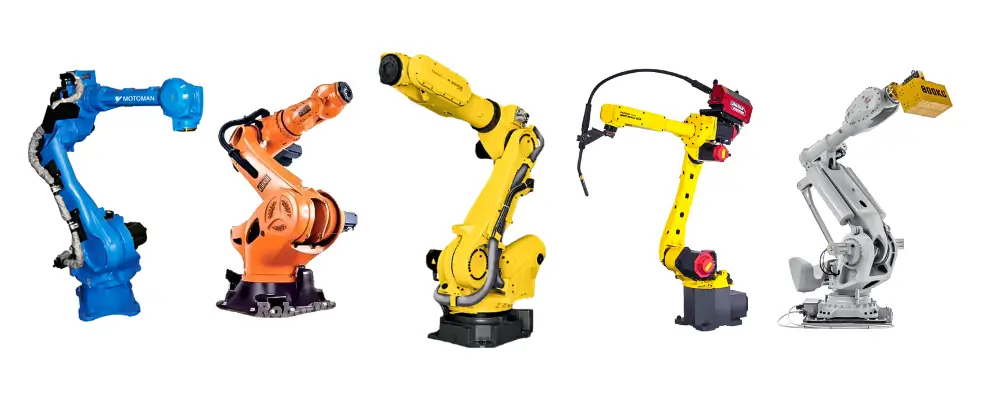
| Automatic Execution: Capable of automatically completing tasks such as handling, welding, assembly, and spraying according to preset programs or instructions without real-time human intervention.
| Multi-DOF Motion: Equipped with multiple motion joints or degrees of freedom, it can simulate the flexible movements of a human arm or limb to adapt to complex workspaces and task requirements.
| Programmability: Its workflow, motion trajectories, and operational parameters can be programmed to adapt to different production tasks and environmental changes, enabling flexible manufacturing.
| Multifunctionality: By changing the end effector (e.g., gripper, welding torch, spray gun), it can perform various types of operations, offering strong versatility.
| Industrial Application Orientation: Specifically designed for industrial production scenarios, aiming to improve production efficiency, product quality, and safety while reducing labor intensity.
Industrial Robot Selection Criteria
There are many standards involved in the process of industrial robot selection, and we have listed some important selection criteria for the readers.
Actual Requirements
Enterprises need to define the specific application scenario for the industrial robot, such as welding, assembly, material handling, spraying, or palletizing. Different scenarios have vastly different requirements for robot type and functionality. Analyze task complexity, the need for high-precision positioning, multi-axis coordinated motion, or human collaboration to determine requirements for the robot’s degrees of freedom (DOF), precision, and safety.
If the task requires human-robot collaboration, especially for typical semi-automatic lines with human-machine interaction, frequent station changes, or line reconfiguration, and applications utilizing new torque sensors, collaborative robots (Cobots) are an excellent option.
If seeking a compact robot for Pick & Place operations, a SCARA (Selective Compliance Assembly Robot Arm) robot is sufficient.
For high-speed Pick & Place of small objects, a Delta (parallel) robot is the most suitable.
It’s important to know that industrial robot manufacturers generally have robot solutions for almost every application process. The enterprise’s task is to clarify what work needs to be done and select the most appropriate model from the different types available.
If the industrial robot is intended for special application scenarios, the enterprise must carefully evaluate the manufacturer’s customization capabilities.
Payload
Payload is the maximum load a robot can carry within its workspace, typically ranging from 3 kg to 1300 kg. That is why it is one of the industrial robot selection criteria.
During the process of industrial robot selection, enterprises must remember to add the weight of the workpiece and the weight of the robot’s end effector; their sum constitutes the total working load.
Companies should also consult the robot’s load curve. The load capacity of different robot models varies depending on the working posture and arm extension. Manufacturers usually provide load curve diagrams showing the maximum allowable load at various positions. For example, a robot’s load capacity at maximum reach might be only 60% of its rated payload. In such cases, the appropriate model must be chosen based on the actual working range.
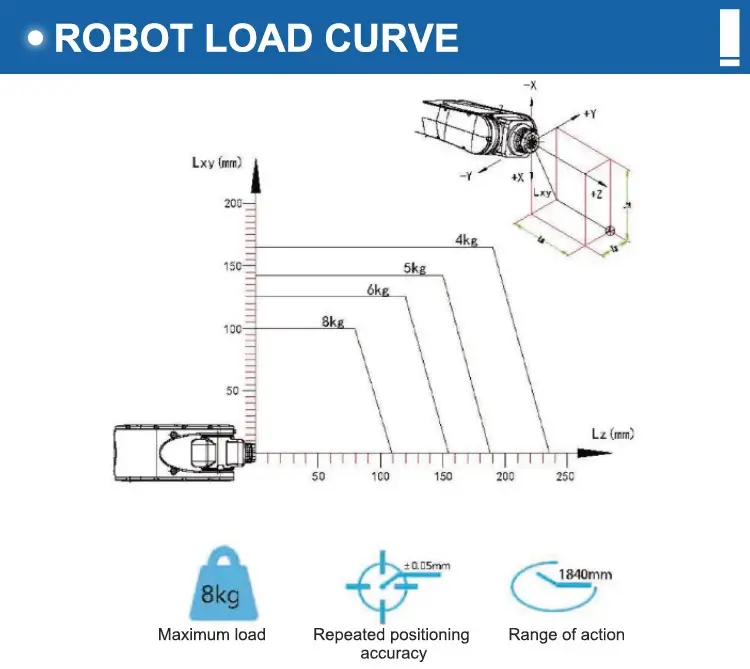
To ensure safety and reliability, it is advisable to select a robot with a load capacity slightly exceeding the actual requirements. A general safety margin of 10%-20% is recommended to handle unexpected situations or potential future load increases.
Example: If you need to handle a 20 kg workpiece and the end effector weighs 5 kg, the total load is 25 kg. When selecting a robot, choose a model with a payload greater than 25 kg that also meets the load requirements within the necessary working range, while reserving a 3-5 kg safety margin.
Degrees of Freedom (Number of Axes)
The number of axes a robot has directly corresponds to its degrees of freedom. For simple, straightforward applications, like picking from one conveyor belt and placing onto another, a simple 4-axis robot is sufficient.
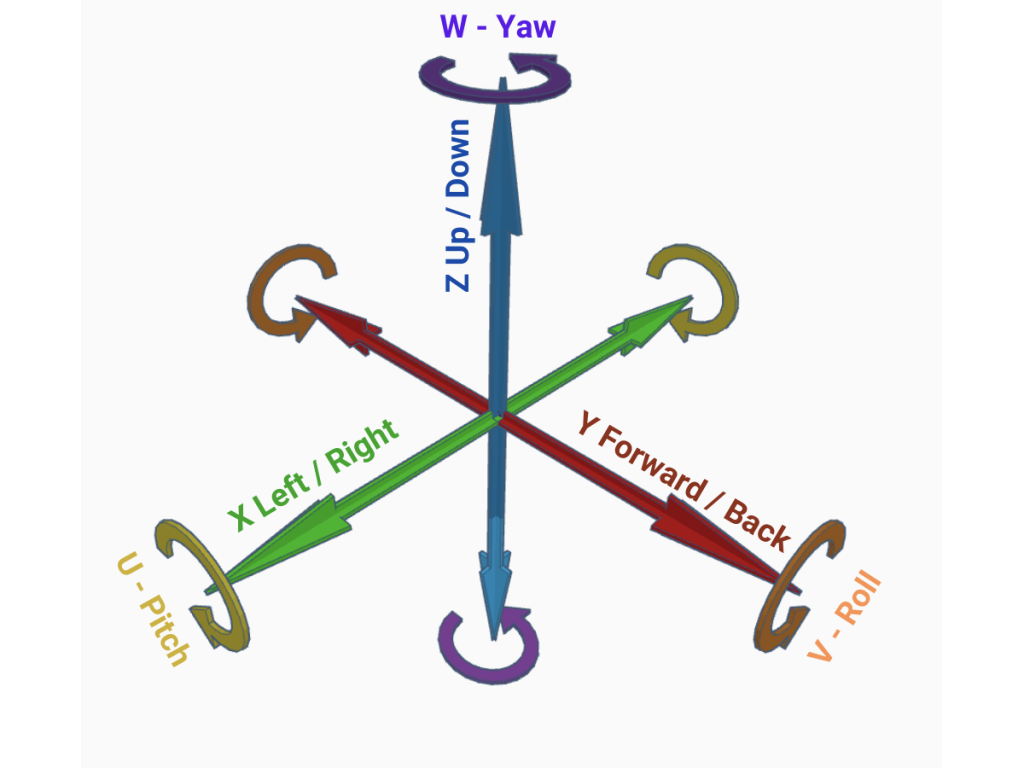
However, if the application involves a confined workspace and the robot arm needs many twists and turns, a 6-axis or 7-axis robot would be the best choice.
The required DOF generally depends on the application. Note that, if the budget allows,
selecting a robot with more DOF poses no problem in terms of flexibility. This facilitates future repurposing of the robot for different processes, allowing it to adapt to more tasks, rather than finding out later that the number of axes is insufficient.
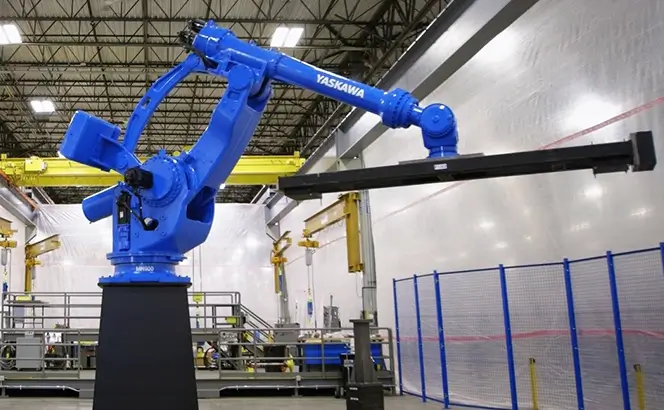
Robot manufacturers tend to use slightly different naming conventions for their axes or joints. Generally, the first joint (J1) is the one closest to the robot base. Subsequent joints are called J2, J3, J4, and so on, up to the wrist. Other companies like Yaskawa/Motoman use letters to name the axes of their robots.
Recommended Reading from AI Robots Eidos
Degrees of freedom play an important role in the industrial robot selection, as they determine the robot’s flexibility, adaptability, and whether it can meet the demands of specific application scenarios. Therefore, in the process of industrial robot selection, it is essential to fully consider the impact of degrees of freedom on task complexity and work environments, thereby choosing the most suitable number of degrees of freedom. Interested readers can refer to this in-depth article on degrees of freedom.
Maximum Operating Range
Maximum Horizontal Reach: The distance from the center of the robot base to the farthest point the wrist or end effector can reach horizontally, often denoted by “X”.
Maximum Vertical Reach: The distance from the lowest point the robot can reach (possibly below the base) to the highest point the wrist or end effector can reach vertically, often denoted by “Y”.
During industrial robot selection, enterprises must ensure the robot’s maximum operating range covers all operation points within the actual work area, including positions for picking, placing, machining, and assembling workpieces.
Generally, a robot’s load capacity at the end of its working range is lower than at positions closer to the base. During the process of industrial robot selection, it’s necessary to combine actual load requirements with the load curve or range diagram provided by the manufacturer to ensure the robot can safely carry the load throughout the required working envelope.
Different mounting methods may restrict the robot’s actual working range. For example, when ceiling-mounted or wall-mounted, the robot might not achieve its theoretical maximum horizontal or vertical reach. This needs verification during industrial robot selection using simulation software or installation constraint data provided by the manufacturer.
Accuracy
Accuracy is a crucial factorfor the industrial robot selection, and two main types of accuracy need to be evaluated.
| Repeatability: Repeatability depends on your application. It can be described as the robot’s ability to consistently return to the same position when performing a routine task.
If an enterprise needs a robot to assemble electronic circuit boards, it requires a robot with extremely high repeatability, typically between ±0.02 mm and ±0.05 mm. For extremely precise applications like certain semiconductor packaging, requirements can be even higher, reaching the micrometer level. If the application is relatively crude, such as packing or palletizing, the robot doesn’t need to be as precise. For instance, the repeatability of large, heavy-duty palletizing robots might be in the range of ±0.1 mm to ±0.5 mm.
| Path Accuracy: Path accuracy requirements depend on the specific task. Generally, high-precision applications emphasize repeatability, while path accuracy is more critical in applications like arc welding or gluing. For less demanding applications like material handling or palletizing, a robot with path accuracy around ±0.2 mm might be acceptable.
Speed
Speed is a key parameter in industrial robot selection and must be determined based on the specific application scenario and requirements.
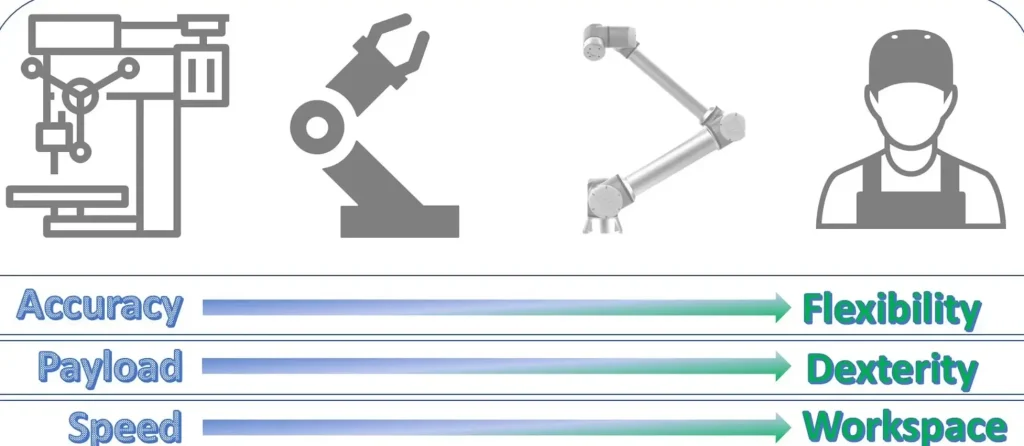
| High-Speed, Light-Load Range: Typically involves end effector linear speeds above 1 m/s. Suitable for rapid handling, assembly, or picking of lightweight workpieces (load generally < 5 kg), such as electronic component assembly or small parts handling. Requires robots with fast response and high acceleration/deceleration capabilities.
| Medium-Speed, General-Purpose Range: End effector linear speeds are generally between 0.5 m/s and 1 m/s. Suitable for general tasks with medium loads (5 kg to 20 kg), such as welding, spraying, and general material handling. Balances speed and stability, meeting the needs of most industrial production scenarios.
| Low-Speed, Heavy-Load Range: End effector linear speeds are typically between 0.1 m/s and 0.5 m/s. Suitable for operations with heavy loads (>20 kg), such as large workpiece handling, palletizing, and forging. Emphasizes the robot’s load-bearing capacity and motion smoothness, with lower speeds ensuring safety and precision.
Robot Weight
Generally, the weight of small industrial robots can range from a few kilograms to several tens of kilograms. For example, some lightweight collaborative robots might weigh between 10 and 30 kg. The weight of large industrial robots can exceed 100 kg, or even reach several hundred kilograms.
Robot weight itself is not a performance indicator for industrial robot selection. Still, it is a critical constraint for designing the mounting base and guide rails, or for determining deployment feasibility. It is essential to ensure the load capacity of the mounting platform exceeds the robot’s weight. For instance, if the robot needs to be installed on a custom machine base or guide rail, the robot’s weight must be compatible with the platform’s load capacity. If the robot needs to move flexibly within a confined space, a lighter weight might be advantageous.
Brakes and Moment of Inertia
Basically, every robot manufacturer provides information about their robot’s braking system. Some robots have brakes on all axes, while others do not. A sufficient number of brakes is needed to ensure precise and repeatable positioning within the work envelope. In a special situation like an unexpected power failure, the axes of a loaded robot without brakes will not stop immediately, posing a risk of an accident.
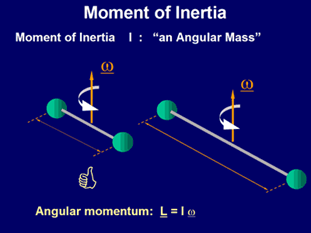
In industrial robot selection, companies can request data on the robot’s moment of inertia from the manufacturer. This provides an additional safety factor for design. The applicable torque on different axes is also important. If the robot’s motion requires a certain amount of torque to perform the work correctly, you need to check if the maximum torque for that axis is greater than the actual requirement. If the industrial robot selection is incorrect, the robot may shut down due to overload.
Ingress Protection (IP) Rating
The industrial robot selection should meet a specific Ingress Protection (IP) rating standard based on its operating environment.
| For clean, dry environments, IP40 or IP54 may suffice.
| For common industrial shop floor environments (oil mist, dust, occasional water splashes), IP65 is the priority.
| For humid, outdoor environments, or where short-term water immersion is possible, IP67 is more suitable.
Special scenarios (like underwater operation or highly corrosive environments) may require IP68, but the cost is higher, and the necessity should be carefully evaluated.
Controller
The controller is also a critical criterion for industrial robot selection.
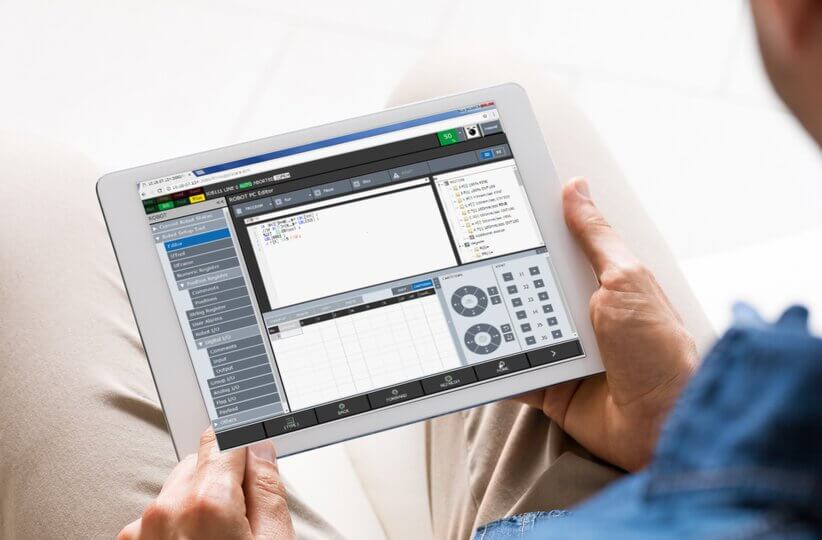
| Compatibility: The controller must be compatible with the robot arm, drives, sensors, and other equipment. It should support common communication protocols (e.g., EtherCAT, CANopen) to facilitate system integration.
| Functionality: If functions like vision guidance, force control, or collision detection are needed, the controller must have the corresponding interfaces and processing capabilities. For example, a controller supporting 3D vision sensors enables random bin picking and unstructured sorting.
| Performance: The enterprise must select a controller based on the robot’s load, speed, and precision requirements. For instance, high-precision assembly robots require controllers with high computational power and real-time response; heavy-duty handling robots need controllers supporting high-power drives and stable control.
Cost-Benefit Analysis
Industrial robot contracts generally involve significant investment, so enterprises need to carefully calculate the costs and benefits of introducing an industrial robot.
| Proper Matching: The industrial robot selection is based on the specific production task (e.g., welding, handling, assembly). Ensure parameters like payload, precision, and speed meet requirements, avoiding over-configuration or underperformance.
| Consider Hidden Costs: Choose robots with high reliability and low maintenance costs to extend equipment life and reduce long-term expenses.
| Evaluate Hidden Benefits: Beyond direct cost savings, consider the robot’s contribution to improving production efficiency, quality, and safety. Comprehensively evaluate the investment value.
| Phased Implementation: For large-scale projects, consider starting with a small-scale pilot to validate the effect before gradually expanding the application scope, thereby reducing risk.
Evaluating Industrial Robot Manufacturers
Evaluating industrial robot manufacturers is also important for industrial robot selection.
| Strength: Before purchasing, enterprises can gauge a manufacturer’s strength through market share. Generally, manufacturers with a higher market share are more competitive.
| Service: Since programming languages and user interfaces vary significantly between brands, which affects the ease of use for the enterprise’s engineers, the technical support and operational training provided by the manufacturer are crucial. This helps the company utilize the purchased robots more quickly. Furthermore, a comprehensive after-sales service network and the ability to respond promptly to enterprise needs (e.g., providing rapid repairs) are equally important.
Recommended Reading from AI Robots Eidos
We recommend this article about industrial robot manufacturers to help readers understand what companies make industrial robots during the industrial robot selection, interested readers can read it.
(Note: The industrial robot manufacturers mentioned in this article are for reference only, and companies need to make reasonable choices based on their actual needs.)
Insight from AI Robots Eidos about Industrial Robot Selection
In the process of industrial robot selection, enterprises should evaluate the software ecosystem of the brand. Does it support low-code/no-code programming? Does it have a large algorithm library (such as for path planning and visual recognition)? Choosing a closed system may lead to bottlenecks in intelligence upgrades in the future, whereas opting for an open ecosystem platform allows for continuous skill enhancement through “app installations,” similar to smartphones.
For a better industrial robot selection, enterprises should pay attention to whether the robot reserves strong edge computing capabilities or interfaces with cloud-based large models. The “rigidity” of hardware will gradually give way to the “intelligence” of software. Robots that can “evolve” through model updates will have a lifecycle far exceeding those that can only perform mechanical repetitions.
Furthermore, in the processs of industrial robot selection, enterprises can inquire about RaaS (Robots as a Service) collaboration models from suppliers, in addition to traditional buying and selling models. This requires that the robots themselves possess exceptional durability and data reporting accuracy, allowing manufacturers to conduct remote monitoring and billing.
Image Credits: Riselasermark & Robots & Industrial-ia & Frontiersin & Motioncontrolsrobotics & Fanuc