Buy Cobots Smartly
Table of Contents
How to buy cobots smartly is an important question for manufacturing enterprises. Buying cobots is not about “replacing people,” but about effectively complementing human workers. This allows humans to focus on complex and creative tasks while the cobot handles repetitive work, creating a synergistic effect of “1+1>2.”
What Is A Cobot?
Before addressing the question of how to buy cobots smartly, it’s essential to understand the meaning of a Cobot (collaborative robot).
A Cobot (collaborative robot) is typically defined as a robot equipped with power and force limitation features, ensuring worker safety when operating alongside humans. Unlike a traditional industrial robot, which must be isolated behind fences or protective covers, a cobot emphasizes the sharing of the same workspace between humans and machines.

Recommended In-depth Reading from AI Robots Eidos
If readers wish to gain a deeper understanding of collaborative robots, please read this in-depth article on cobots.
How to Smartly Buy Cobots?
Assess the Task
Cobots are best suited for highly repetitive, predictable, and physically demanding tasks such as loading and unloading parts, operating machines, transporting components, and routine inspections. These tasks are strenuous, and workers become very fatigued after a full day. This is where cobots are appropriate. Therefore, don’t rush to select a technical model. Instead, based on the situation in your factory, first clarify the assembly-line processes. Only when the processes are clear can the chosen cobot perform its role, enabling you to buy cobots smartly.
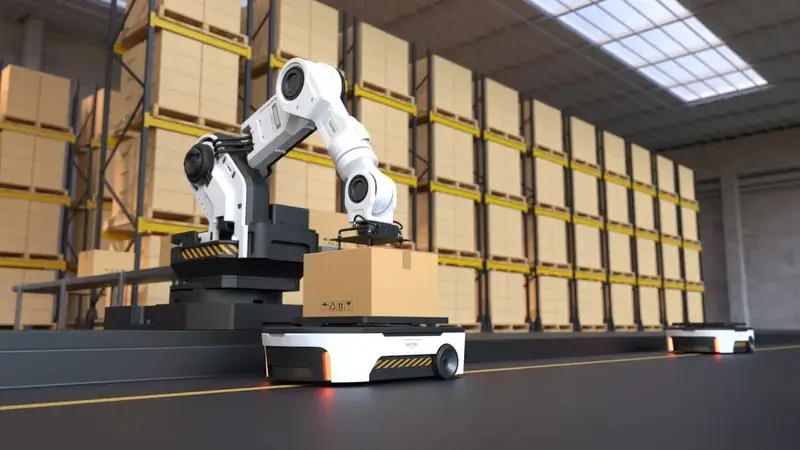
After completing the task assessment, the company needs to determine the type of task—whether the cobot will be used for assembly, handling, or inspection. Different tasks have different requirements for the robot’s payload, precision, and flexibility.
| Misconceptions to Avoid:
One of the reasons for failure to buy cobots smartly is that some manufacturing enterprises often assign non-standard processes to cobots. For example, some processes or tasks require workers to compensate for fixture deviations, adjust part positions, or overcome tool limitations based on varying situations. Facing these non-standard issues, choosing a cobot is not a wise decision. It cannot solve these problems; it will only accumulate them and make them more obvious.
Technical Specifications
Key parameters for the cobot need to be determined based on task requirements.
| Degrees of Freedom: A 6-axis cobot enables more complex movements and is suitable for multi-directional operations. A 7-axis robot offers higher flexibility but comes at a relatively higher cost.
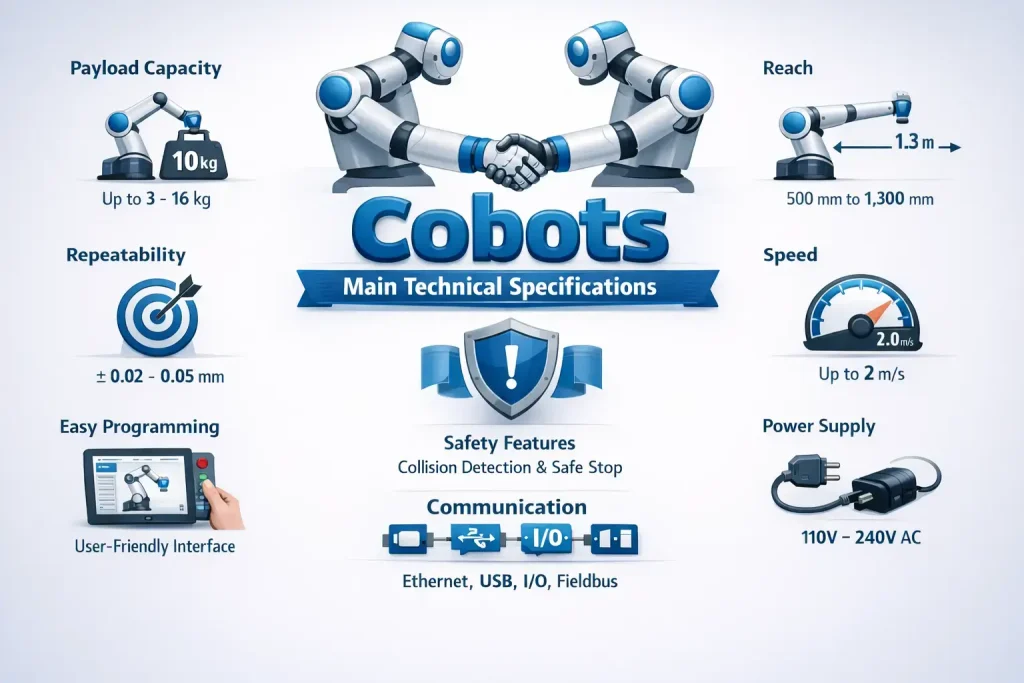
| Payload: Choose an appropriate payload capacity based on the weight of the objects to be handled or manipulated. Generally, cobot payloads range from 3kg to 20kg.
| Sensors: Force sensors, vision sensors, etc., can enhance the robot’s perception and adaptability. For example, force sensors are used in precision assembly and polishing tasks, while vision sensors are used for positioning and inspection.
| Precision: If the task requires high precision, such as precision assembly, select a robot with repeatability of ±0.03mm.
Easily Overlooked Indicators:
Production Rhythm: Each production line has its own cycle time. If the cobot’s cycle is too fast, material supply can’t keep up; if it’s too slow, the cobot itself becomes a bottleneck hindering production efficiency. Therefore, the cobot must adapt to the production line’s rhythm.
Compatibility
Compatibility directly impacts the deployment efficiency, cost-effectiveness, and flexibility of collaborative robots, making it a key factor to buy cobots.
| Hardware: Although cobots can operate independently of any other system, many companies utilize common communication protocols to enable them to run on general networks. This requires the cobot’s control system to communicate with other PLCs or HMIs within the factory.
With the advent of the Internet of Things, cobots also need to communicate with other similar cobots in the factory. In a machining area, a cobot might assist a machine operator in loading materials into a machine tool. Ideally, the machine tool would communicate with the cobot to indicate when a new blank is needed or when a finished part is ready for removal. Cobots need to communicate via common bus networks and share the same communication protocols (e.g., EtherCAT, Sercos, PROFINET, or similar protocols).
| Software: A rich ecosystem of software applications and plugins can expand the robot’s functionality, such as vision processing and path planning. A well-developed software ecosystem enhances the versatility of cobot use.
Safety
Safety is crucial for manufacturing enterprises to buy cobots effectively. Since cobots operate in shared spaces with humans, they must be equipped with numerous inherent safety features. A thorough risk assessment is crucial for determining whether a specific cobot design meets the expected safety requirements. Typical safety features include limitations to prevent excessive force, torque, or speed, based on sensors integrated into the design. Safety motion configurations are determined by the results of the safety risk assessment, which defines stop modes associated with specific safety events.
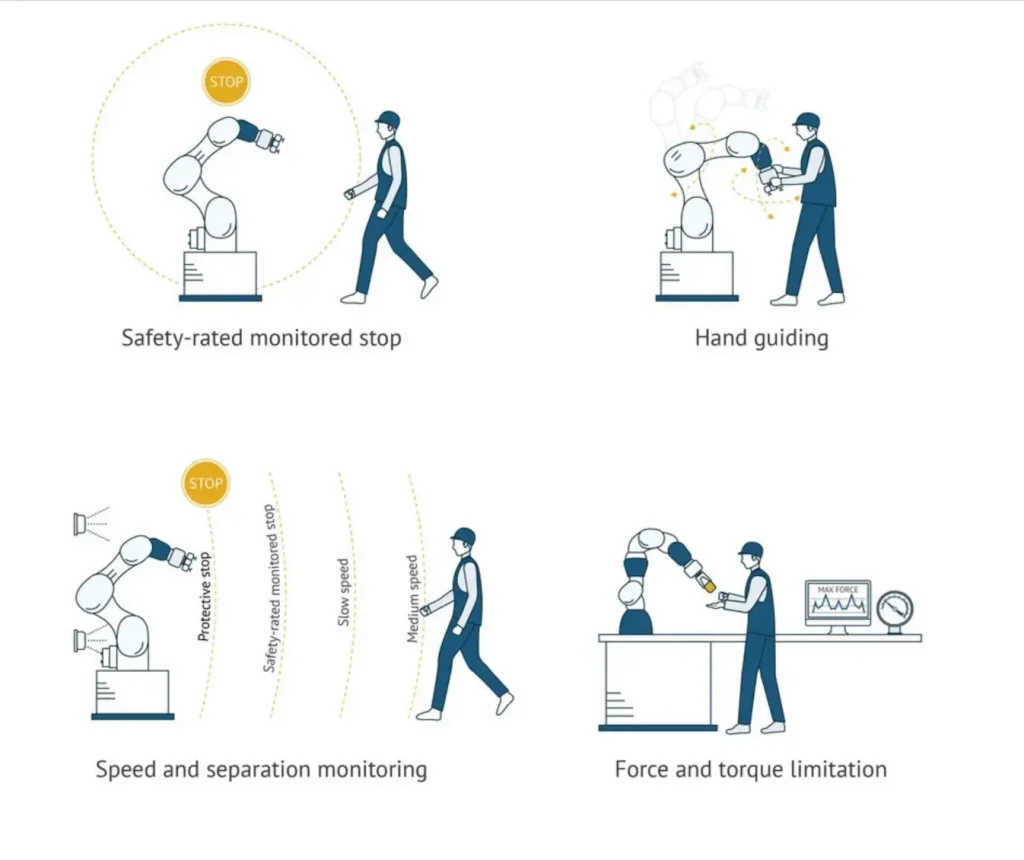
Many cobot controllers support the creation of safety zones where predetermined operations are triggered, such as reduced speed, reduced torque limits, or other collision-avoidance routines. Given the proximity of humans in cobot applications, system designers must conduct a thorough safety analysis and incorporate appropriate safety motion and machine SIL recommendations. ISO/TS 15066 provides guidelines for the design and implementation of collaborative workspaces.
Installation Feasibility Assessment
Original production lines in factories are typically not designed or installed with space reserved for cobots. Aisle widths, equipment positions, and material paths are already fixed. Without a prior installation feasibility assessment, forcibly installing a cobot is very likely to cause conflicts with the positions of existing human operators.
| Tips For Manufacturing Enterprises to Buy Cobots Smartly:
For some cobots with long reaches and flexible joints, their arms can reach the task area from “difficult” angles—such as around obstacles or from the side. In such cases, the cobot can be installed in positions that were originally considered “impossible.” This allows it to work without encroaching on operating space.
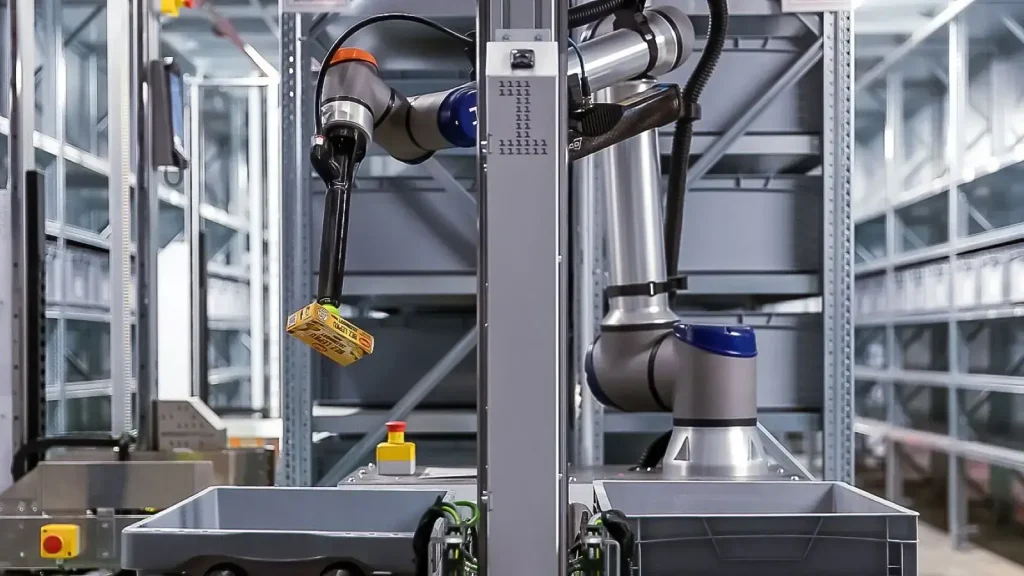
Products change, output fluctuates, and production lines are adjusted. Therefore, choose flexible installation methods for the cobot whenever possible. If the cobot needs to be used on another production line in the future, this facilitates easy disassembly and relocation.
Cost Evaluation
If you want to buy cobots wisely, remember that the total cost of a cobot includes not only the initial purchase cost but also long-term maintenance costs.
| Core components such as reducers, servo systems, and controllers account for over 70% of the total manufacturing cost of a cobot. Among these, reducers account for approximately 34%, controllers for approximately 23%, and servo systems for approximately 18%.
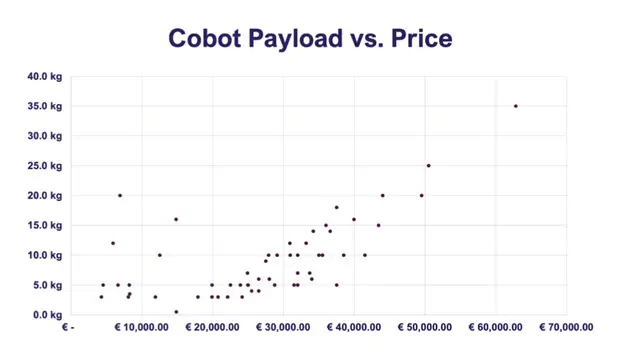
| The greater the payload capacity and the more axes (e.g., 7-axis vs. 6-axis), the higher the cost. For example, the average price for a 6-axis cobot with a 5kg payload was approximately $10,000 per unit (2024 data), while models with higher payloads or 7 axes are more expensive.
| Cobots do not require safety fencing and have low space requirements for deployment. However, integration costs with existing equipment and production lines must be considered, including the procurement and installation of supporting devices such as sensors, vision systems, and end-effectors. System integrators need to provide customized solutions for specific scenarios, and integration costs can be higher for complex ones.
| Cobots have low energy consumption, typically powered by 220V, with peak power ranging from a few hundred watts to 3-4kW. Long-term operating costs are lower than those of traditional industrial robots.
| Return on Investment Period: Typically, the investment is recovered within 1-3 years, depending on the application scenario and the labor costs it replaces. For example, in repetitive tasks like assembly and handling, cost recovery can be achieved relatively quickly.
After-Sales Service
For manufacturing enterprises, after-sales service is also important for how to buy cobots. When a robot halts due to malfunctions, it can cause production line stoppages, inventory backlogs, and economic losses for the company. Efficient after-sales service can respond quickly to faults, shorten downtime, and ensure the continuity of the production process.
Therefore, within budget constraints, companies should choose brands with good reputations, high market recognition, and strong technical expertise. This helps ensure robot quality and the corresponding after-sales service, including installation, commissioning, training, and troubleshooting. Localized service teams are also crucial. This is key for manufacturing enterprises to buy cobots wisely.
Example of How to Smartly Buy Cobots (For Reference Only)
| Customer Requirement
Universal Robots’ customer, Beyerdynamic, uses cobots to manufacture audio equipment.
Beyerdynamic found significant quality fluctuations in audio equipment during critical production processes. They needed to find a way to substantially increase productivity without affecting product quality or increasing human production resources.
| Solution
Universal Robots’ solution was to split this process into two parts, handled by two independent cobots.
One UR5, equipped with an integrated wrist camera and a 2-finger gripper, places the welded base material onto a rotating motor. Then, a UR3, equipped with an integrated spray gun, performs surface treatment on the component.
Due to the lightweight design of the UR5 and UR3, which facilitates integration into the existing production line, and the sensitive force-control safety features of UR robots allowing close, fence-free collaboration with employees, these two cobots helped Beyerdynamic increase production efficiency by 50% while also improving product quality.
“Our employees were able to quickly learn to operate the robot thanks to the intuitive control interface. It was thanks to the plug-and-play integration between the Universal Robots arm and the Robotiq products that our pilot project could be implemented in such a short time.”
— Peter Härtel, Head of Strategic Operations and Quality at Beyerdynamic
Insight from AI Robots Eidos about How to Buy Cobots Smartly
In the near future, the mechanical arms of collaborative robots (including factors like load capacity, reach, and precision) will gradually converge and standardize, much like current smartphone hardware. The real differentiator will be the software application stores and AI algorithms behind these robots. The competitiveness of cobots will depend on their ability to gain new skills through simple software downloads or subscriptions, such as “learning to sort new parts within a week” or “automatically generating paths using visual AI.” How to buy cobots smartly means opting for a continuously evolving software ecosystem.
Future after-sales service will no longer be a passive response to robot failures. When you need the robot to perform a new task, there will be no need to program from scratch; instead, you can simply download a pre-optimized “skill package” from the cloud for that specific scenario. When the robot encounters challenging edge cases, it can automatically connect to remote expert centers or more experienced engineers. Manufacturing enterprises that buy cobots smartly are those that choose a partner that can continuously provide them with “skill updates” and “remote intelligence support.”
Image Credits: Linkedin & Wevolve & Dobot-robots & Qviro & Ifr & Web