Humanoid Robots for Home: What Consumers Really Want
Table of Contents
Humanoid robots for home represent a crucial direction in the development of home intelligence, aiming to enhance the quality of life through technological means and provide family members with more convenient and warm living experiences.
Definition of Humanoid Robots for Home
A humanoid robot for home is an intelligent robot designed based on the human form, specifically created for use in home environments. Its purpose is to assist family members with daily tasks, provide companionship, or improve overall living convenience.
Characteristics of Humanoid Robots for Home
| Anthropomorphic Form: Possesses a human-like appearance, including a head, torso, limbs, etc. Some products also simulate human expressions, movements, and postures to enhance the sense of interaction with family members.
| Home-Function Oriented: Focuses on the needs of home life. Capable of performing household chores (such as cleaning, organizing, cooking), caring for the elderly or children, providing entertainment and companionship, and assisting with educational learning.
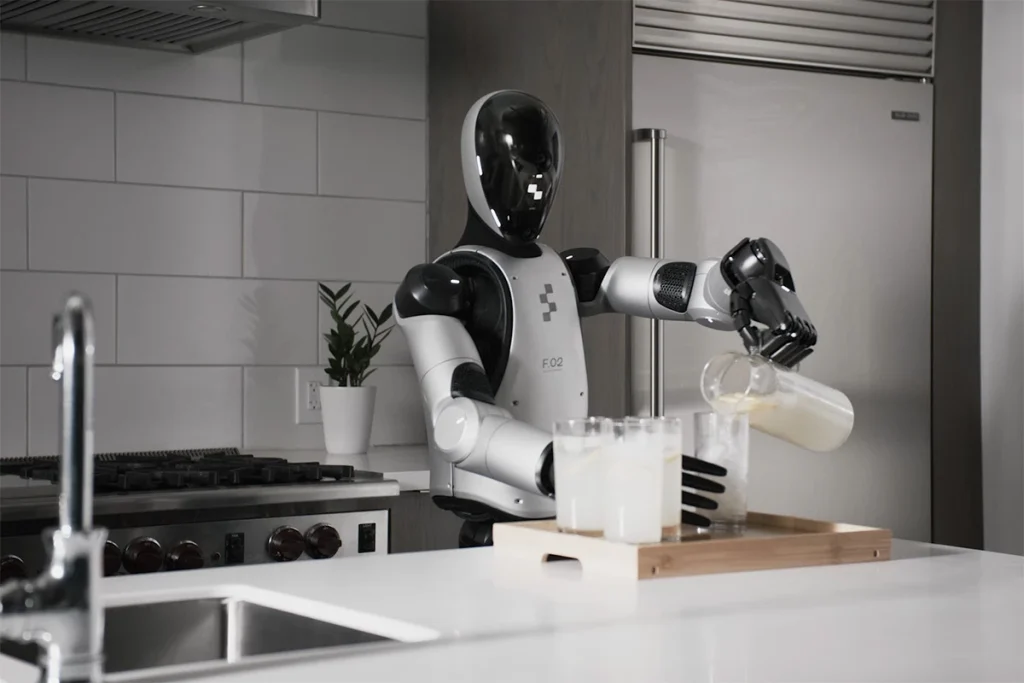
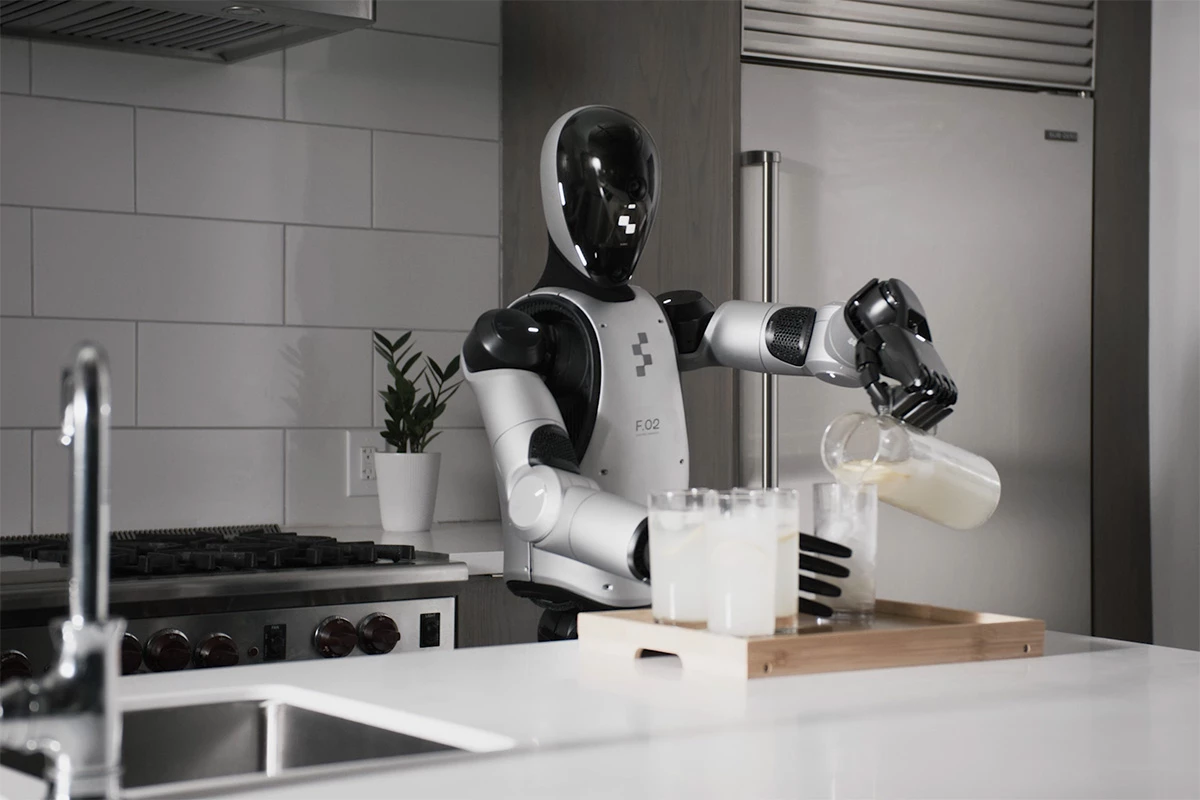
| Intelligent Interaction Capabilities: Integrates artificial intelligence technology, enabling natural interaction with family members through voice, vision, and touch. It can understand commands, answer questions, and make autonomous decisions and actions based on the environment and needs.
| Adapted to Home Environments: Designed with consideration for home spaces and living scenarios. It can be used normally without requiring large-scale modifications to the home and can move flexibly between rooms and operate common household appliances.
Consumer Perception of Humanoid Robots for Home
Do We Need Humanoid Robots for Home? Confusion
Consumers are filled with confusion about humanoid robots for home. While 65% of surveyed respondents expressed interest in owning an advanced humanoid robot for home, 85% admitted they were either “completely unfamiliar with,” “knew a little about,” or “were somewhat familiar with” the technology behind humanoid robots for home.
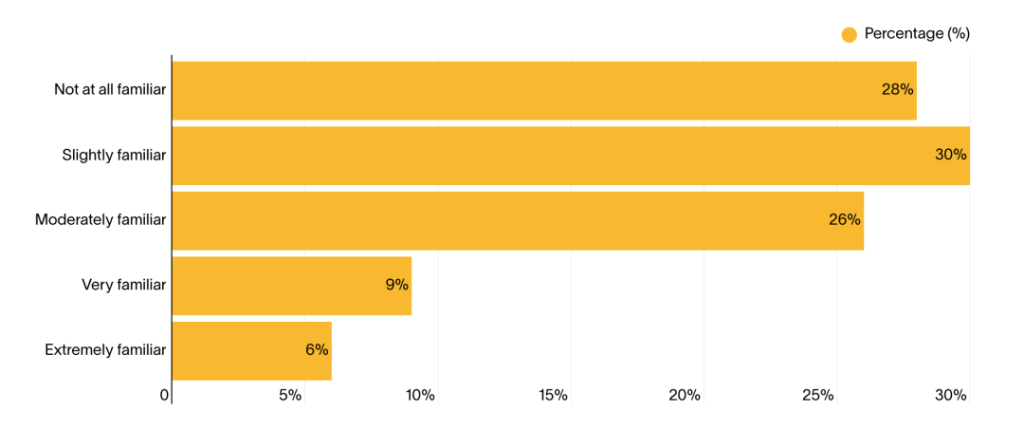
This “cognitive gap” stems from the fact that, aside from a few expensive pre-order and testing products, these robots have not yet achieved widespread adoption among consumers. However, this indicates that developers of humanoid robots for home should consider how to bridge the gap with potential consumers and create products that meet their needs.
Humanoid Robots For Home Use: Pragmatism
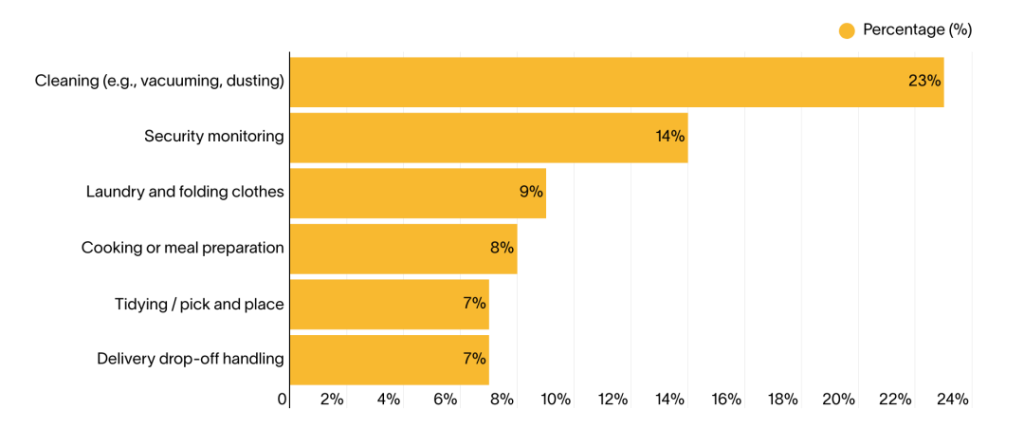
Currently, consumers primarily view humanoid robots for home as practical tools to assist with household chores. They want these robots to better and more frequently take on heavy housework, rather than focusing on whether the robot possesses strong emotional or humanized value. Consumers care more about whether the robot can clean the floor effectively than whether it has a distinct personality. When asked about the most desired functions, 23% of consumers prioritized cleaning, while 14% considered security monitoring most important. This clearly shows that consumers view humanoid robots for home more as advanced household appliances rather than purely as “robots.”
The Development Direction of Humanoid Robots for Home
Data shows that consumers significantly prefer models with a “visually and tactilely soft” appearance over the “clunky” industrial designs common in early prototypes.
The “Optimus-style,” represented by Tesla’s hard metal shell and exposed actuators, while appealing to some men, received lower overall ratings and was less popular among women due to the visual intimidation and lack of approachability this design style creates. In contrast, “softer” humanoid robots are more favored by the general public.
Some emerging manufacturers, prioritizing expressive movements and friendly designs to cater to consumer sensibilities, are actively moving away from the “cold, mechanical machine” image.
XPeng Motors’ newly launched “Iron” robot features a strikingly human-like appearance and “soft skin covering its entire body.” To make the robot’s design more acceptable to consumers, XPeng aims to make it feel “warmer” and “closer to everyday life,” even offering customization options for different body types and genders.
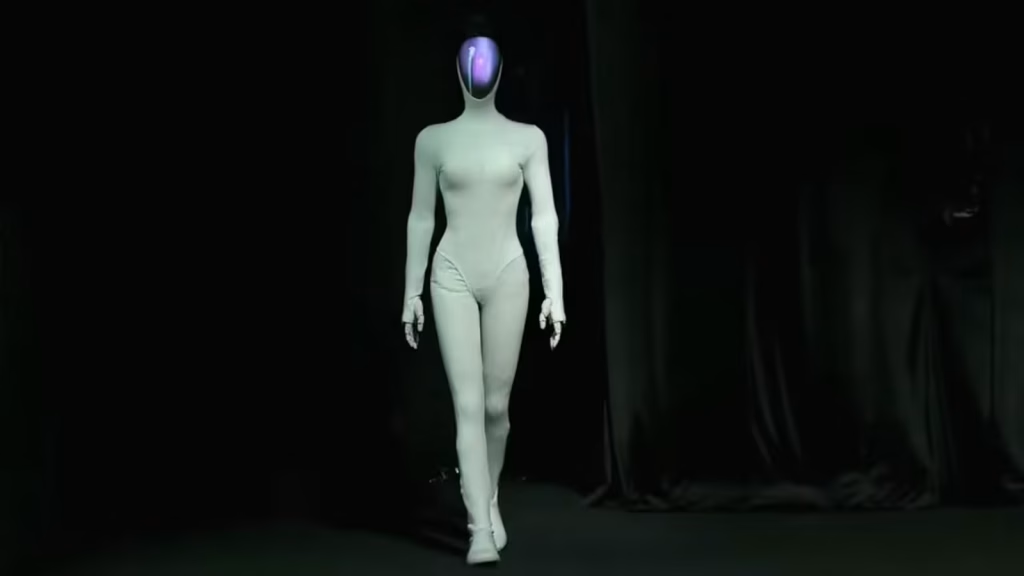
Similarly, 1X Technologies has clad its NEO robot in a soft, harmless-looking “sweater” to conceal its internal mechanical structure.
These companies prioritize approachability and safety, especially important for consumers considering a robot that will live alongside children.
Pricing of Humanoid Robots for Home
Interpreting prices for a product that doesn’t yet widely exist may involve some distortion.
69% of “consumer-type” buyers stated they were unwilling to pay more than $5,000 for a humanoid robot for home.
5% of “future-oriented” buyers indicated they were willing to pay $10,000 or more.
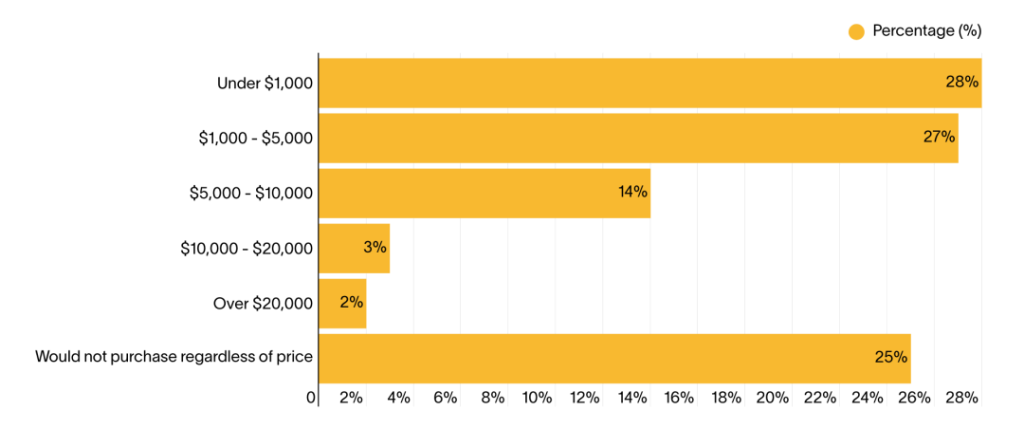
Companies like 1X target a small segment of consumers enthusiastic about the futuristic vision rather than simply seeking a return on investment. For humanoid robots for home to achieve mass-market adoption, costs must decrease significantly, eventually reaching the $5,000 psychological threshold of the “consumer-type” buyer.
The Challenges Faced by Humanoid Robots For Home
From the current deployment path of humanoid robots, entering households is not the first step; this is determined by the diversity of household needs and the complexity of home environments.
It is generally believed that the first scenarios for the deployment of humanoid robots will be in the industrial manufacturing sector, where they will perform repetitive tasks such as handling and inspection. Experts predict that the second scenario for the deployment of humanoid robots will be in the commercial services sector, such as serving as waitstaff or tour guides in hotels and shopping malls. The diversity and complexity of these scenarios clearly exceed the relatively simplified functions of the manufacturing sector. Household service should be the ultimate goal for humanoid robots.
When Will Humanoid Robots Be Available For Home Use?
| Within 3-5 years: Some humanoid robots equipped with basic functions may begin to enter households, primarily focusing on specific scenarios such as companionship and simple household assistance (e.g., cleaning floors, picking up objects, etc.). The technological focus during this phase will be on enhancing the robots’ generalization abilities and safety, while also reducing costs through mass production.
| Within 5-10 years: As technology continues to mature, humanoid robots for home are expected to become more widespread in various household scenarios, capable of performing more complex tasks such as cooking, organizing clothes, and providing home care. At this point, the robots’ perception systems, motion control, and artificial intelligence algorithms will be more refined, and their interactions with humans will become more natural.
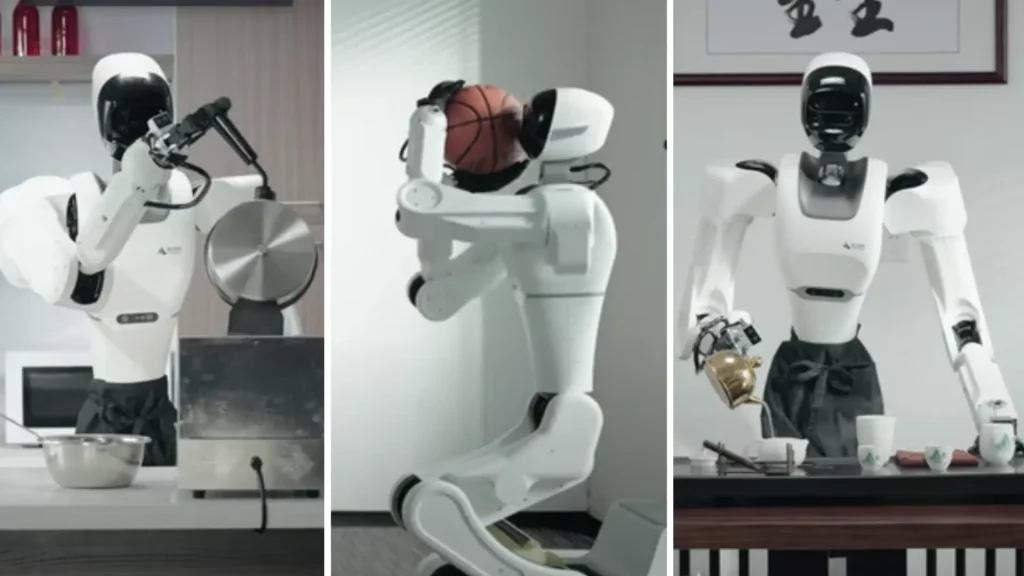
| Beyond 10 years: Humanoid robots for home with high levels of intelligence, autonomous learning capabilities, and comprehensive service functions may become a norm in family life, deeply integrating into daily activities, providing personalized services, and establishing closer emotional connections with family members.
We believe that with technological advancement and product iteration, consumer perception of humanoid robots for home will gradually shift in a positive direction. These robots will progressively enter more consumer homes, integrate into more people’s lives, and ultimately enhance their quality of life.
Insight from AI Eidos Robots about Humanoid Robots for Home
Humanoid robots for home will evolve into comprehensive platforms, serving as intelligent butlers for household services, including consumer electronics. The emergence of robots does not mean that future households will no longer need appliances like refrigerators, washing machines, and televisions. Instead, with the rapid development of large models and AI, all electronic products will exhibit a certain degree of intelligence.
In this context, there will be an increasing need for a comprehensive intelligent agent that integrates interaction, control, and execution. Humanoid household robots will assist people in actively managing and using these appliances within the home environment through multimodal perception, understanding, and proactive care.
Image Credits: TMT & Newatlas & Digitec & Interestingengineering