HMND 01 Alpha Robot: UK Enters the Robot Race
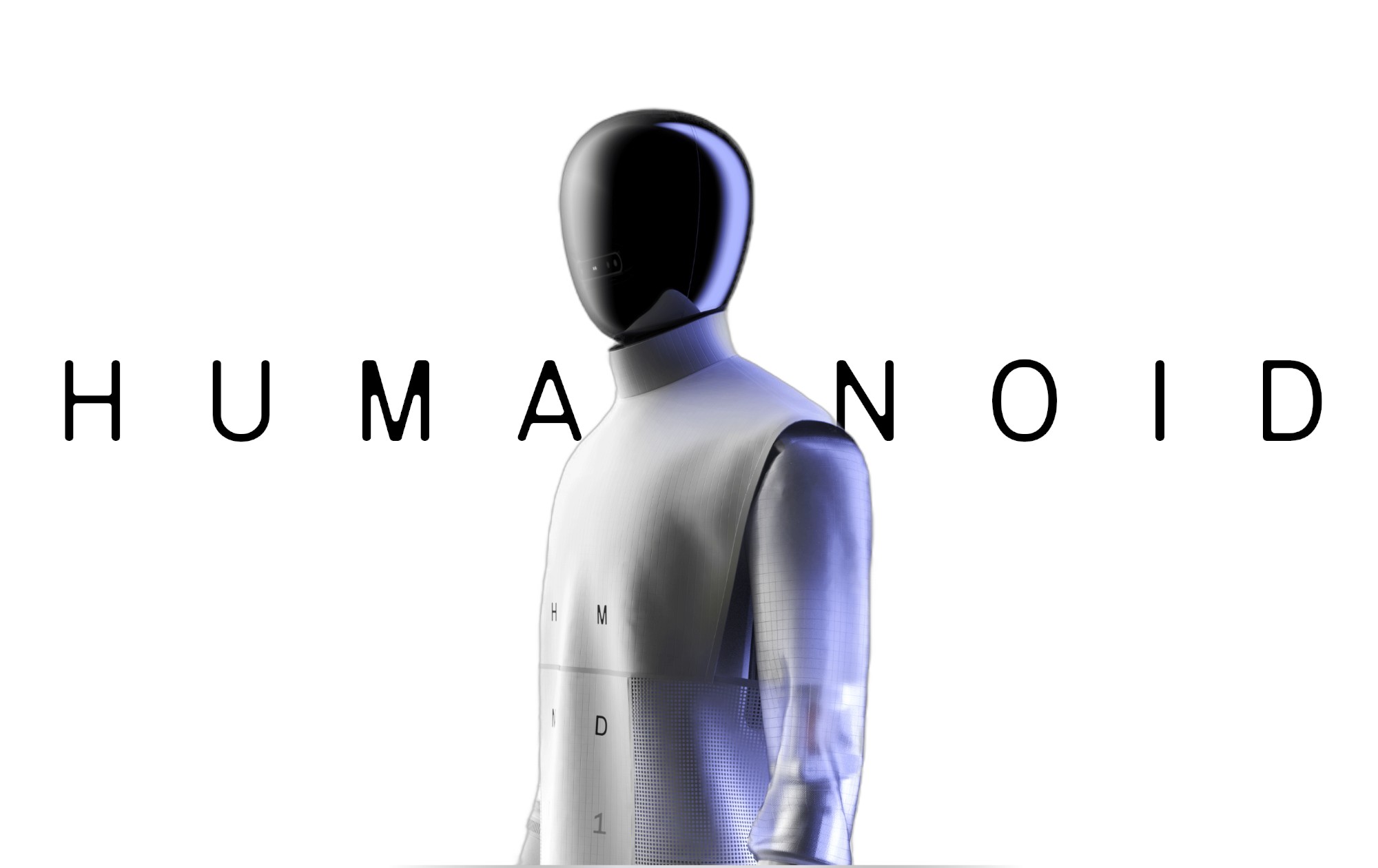
Stepping off the assembly line, the HMND 01 Alpha robot, a 1.79-meter-tall silver robot, was able to walk steadily, turn, and even jump in complex environments just two days later. The HMND 01 Alpha from the UK tech company Humanoid is important to Europe—it aims to challenge China and the United States, as these two countries are already at the forefront in the field of humanoid robotics.
What Is The HMND-01 Alpha Robot?
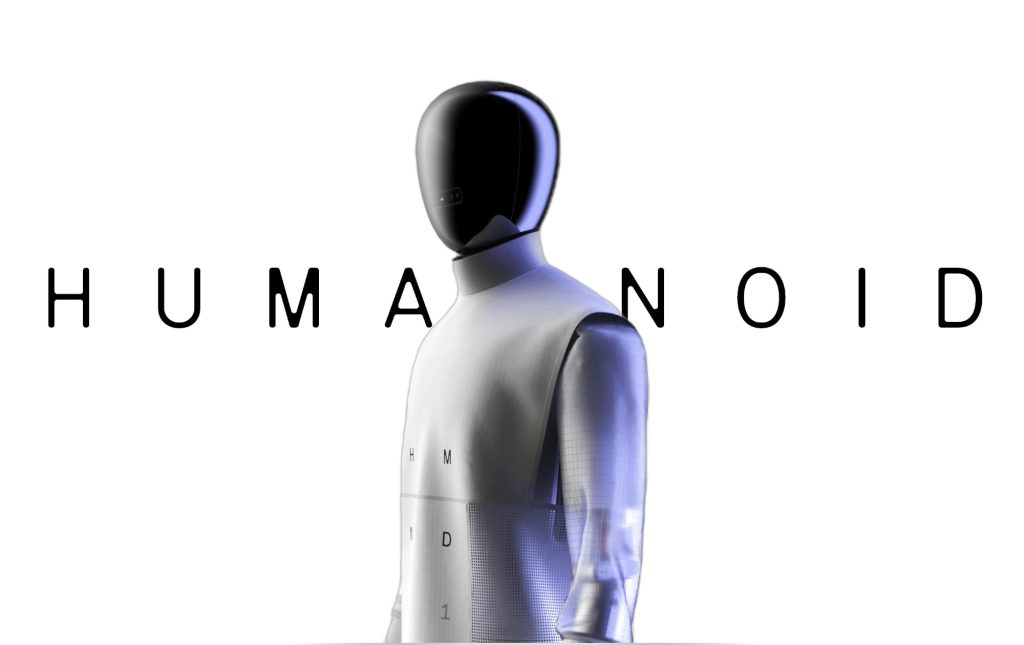
The HMND-01 Alpha robot is a series of humanoid robot products launched by the UK company Humanoid, available in both wheeled and bipedal versions. The HMND-01 Alpha robot represents an exploration into the industrial application and human-robot collaboration of humanoid robots. Through modular design, integration of AI technology, and rapid iterative development, it seeks to address labor shortages and repetitive tasks, making it one of the representative products in the current commercialization efforts of humanoid robots.
Advantages of the HMND-01 Alpha Robot
| Rapid Learning: Traditional humanoid robot gait training often takes months, involving extensive real-world trial and error and physical adjustments. The HMND-01 Alpha robot completely changed this model. This UK company adopted a framework based on vision-language models and vision-language-action, combined with large-scale simulation training, successfully narrowing the “simulation-to-reality” gap.
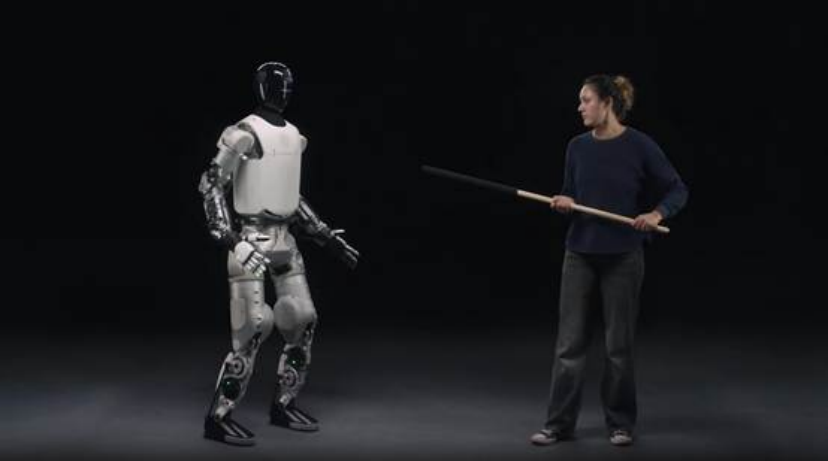
During training, the Humanoid team used NVIDIA’s Isaac Sim and Isaac Lab, training over 52.5 million seconds of reinforcement learning motion data in just two days. This simulation training volume is equivalent to nearly 19 months of training using traditional methods. When the robot entered the real world, it took only 3.2 million seconds of actual training to take its first step, demonstrating adaptability to external forces of up to 350 Newtons.
| Modular Design: This is another key innovation of the HMND-01 Alpha robot. The HMND-01 Alpha robot features highly interchangeable subsystems, with components such as the head, torso, and arms reusable across different platforms. The robot’s end-effector can be configured as either a 12-degree-of-freedom five-fingered dexterous hand or a 1-degree-of-freedom parallel gripper, depending on task requirements. This “configure-on-demand” philosophy significantly lowers the barrier to entry, allowing companies to avoid purchasing entirely new robots for different scenarios. The HMND-01 Alpha is even equipped with replaceable protective shells and clothing, which not only protect internal precision parts but also allow for appearance adjustments based on the environment and even customization of corporate color schemes.
Types of HMND 01 Alpha Robot
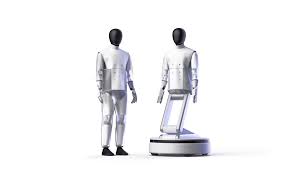
The HMND 01 Alpha robot can be divided into the HMND 01 Alpha (Wheeled Version) and the HMND 01 Alpha Bipedal (Bipedal Version). These two versions share most of their hardware and software architecture, particularly the upper body design, but differ in their mobility methods to accommodate different application scenarios.
HMND 01 Alpha (Wheeled)
| Product Positioning
The HMND 01 Alpha (Wheeled) is positioned as a mobile manipulation platform for industrial applications. Its initial design purpose is to address challenges in logistics, warehousing, and manufacturing. Its operational range extends from the ground to 2 meters high, capable of adapting to shelves 60 cm deep and retrieving items directly from the floor or high-level shelves. Its end-effector design is flexible, allowing a choice between a 12-degree-of-freedom five-fingered dexterous hand or a 1-degree-of-freedom parallel gripper to meet different task needs.
Key Technical Parameters
| Parameter | Specification |
| Height | 220 cm (86.6 in.) |
| Maximum Speed | 7.2 km/h (approx. 4.4 mph) |
| Degrees of Freedom (DoF) | 29 (excluding end-effector) |
| Dual-Arm Payload | 15 kg (33.1 lb.) |
| Operating Range | From floor level up to 2 meters high, handling shelves up to 60 cm deep |
| Perception System | 360° RGB cameras, 2 depth sensors |
| End-Effector | Optional 12-DoF five-fingered hand or 1-DoF parallel gripper |
| AI System | End-to-end AI-driven reasoning |
HMND 01 Alpha (Bipedal)
| Product Positioning
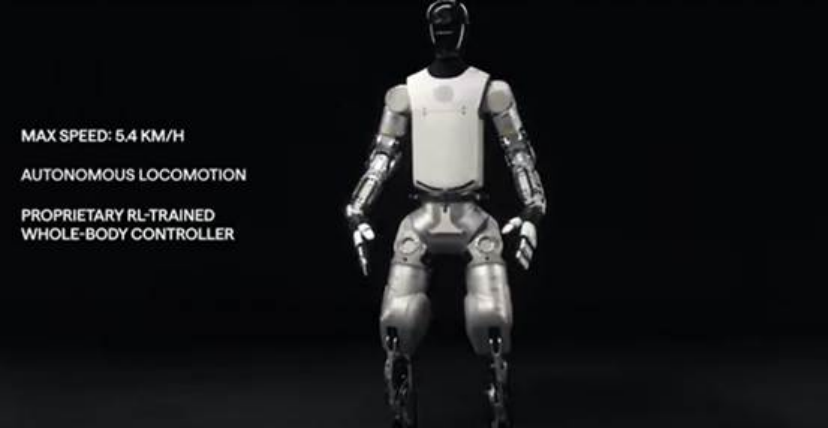
The HMND 01 Alpha (Bipedal) adopts a bipedal design, standing 175 cm tall and weighing 70 kg, closely resembling human proportions. With up to 41 degrees of freedom, it can carry loads of up to 15 kg, walk at a speed of 1.5 m/s (5.4 km/h), and has an average endurance of 4 hours. It possesses highly flexible limb movement capabilities, enabling it to perform complex and precise operational tasks.
The HMND 01 Alpha Bipedal robot is positioned for more complex, unstructured environments and ultimately aims to enter household service applications. Compared to wheeled robots, bipedal robots can climb stairs, overcome obstacles, and better adapt to environments designed for humans, which are often filled with steps and uneven surfaces.
Technical Specifications and Parameters
While maintaining a similar upper body design to the wheeled version, the HMND 01 Alpha Bipedal features an advanced bipedal walking structure in its lower body.
| Parameter | Specification |
| Height | 179 cm (5 ft 10 in) |
| Maximum Speed | 5.4 km/h (approx. 3.4 mph) |
| Degrees of Freedom (DoF) | 29 (excluding end-effector) |
| Dual-Arm Payload | 15 kg (33.1 lb) |
| Perception System | 6 RGB cameras, 2 depth sensors, 6-microphone array |
| Computing Unit | NVIDIA Jetson Orin AGX, Intel i9 processor |
| Battery Life | 3 hours |
Development Strategy of HMND 01 Alpha Robot
Humanoid, the company developing the HMND 01 Alpha robot, has adopted a wise dual-track strategy:
Developing the HMND 01 Alpha (Wheeled) to ensure short-term commercial viability, while investing in the development of the HMND 01 Alpha (Bipedal) to explore long-term possibilities.
Development Strategy of HMND 01 Alpha (Wheeled)
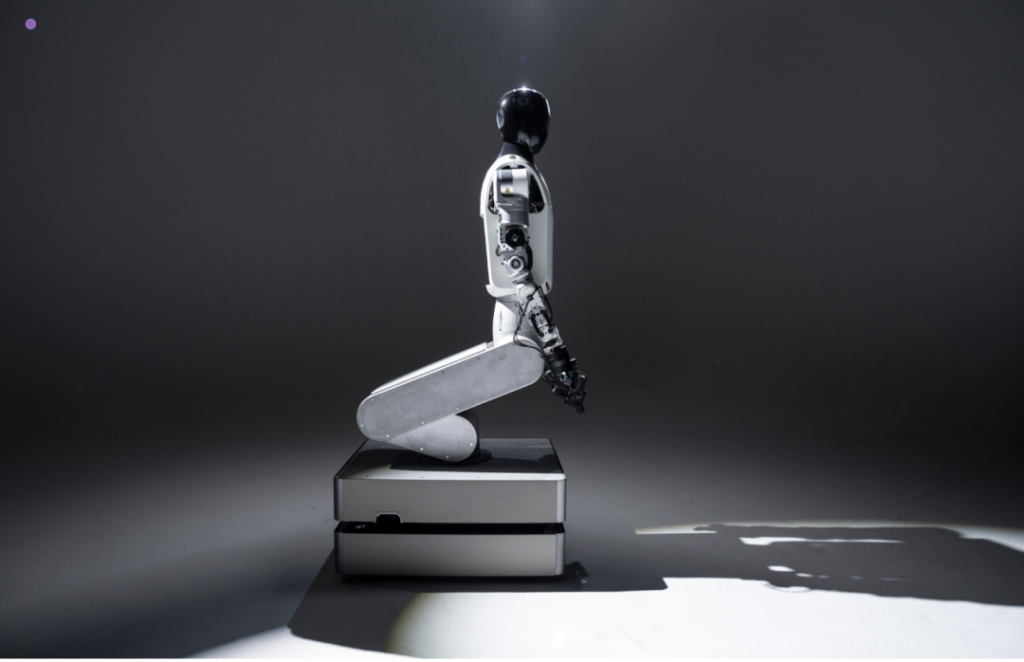
The HMND 01 Alpha (Wheeled) took only 7 months from concept to official launch—an unprecedented speed in the field of humanoid robotics. This rapid development was primarily achieved by leveraging the team’s “second-mover advantage,” drawing on experience gained by team members at other leading robotics companies. This allowed them to avoid many “costly mistakes” common in early-stage R&D, effectively skipping time-consuming foundational research phases.
Development Strategy of HMND 01 Alpha (Bipedal)
Following the success of the wheeled robot, the HMND 01 Alpha Bipedal was developed in just 5 months. This achievement once again sets an industry record, as developing a bipedal robot is significantly more challenging than a wheeled one, especially in achieving stable, dynamic walking. Humanoid minimized the gap between virtual prototypes and physical machines through highly optimized digital design and a simulation-led training approach, greatly shortening the development cycle of the HMND 01 Alpha (Bipedal).
Business Model of HMND-01 Alpha Robot
In terms of business model, Humanoid has adopted a pragmatic “Robot-as-a-Service” (RaaS) model. Companies do not need to purchase the entire machine upfront but can use it through subscription or leasing arrangements. This model is more acceptable in manufacturing and retail industries, which often face significant capital expenditure pressures, thereby lowering the barrier to adopting new technology.
Market demand for this technology is evident—the company has already received 19,500 pre-orders and has partnered with Saudi Arabia’s QSS AI & Robotics to accelerate the development, manufacturing, and deployment of humanoid robot technology in the Middle East.
Application Areas of HMND-01 Alpha
Logistics
In warehouses and logistics centers, material handling and sorting are core operational tasks, also among the most labor-intensive, prone to fatigue, and errors. The HMND 01 Alpha robot can undertake these demanding tasks, such as retrieving goods from shelves, transporting them to designated areas, or sorting based on order information.
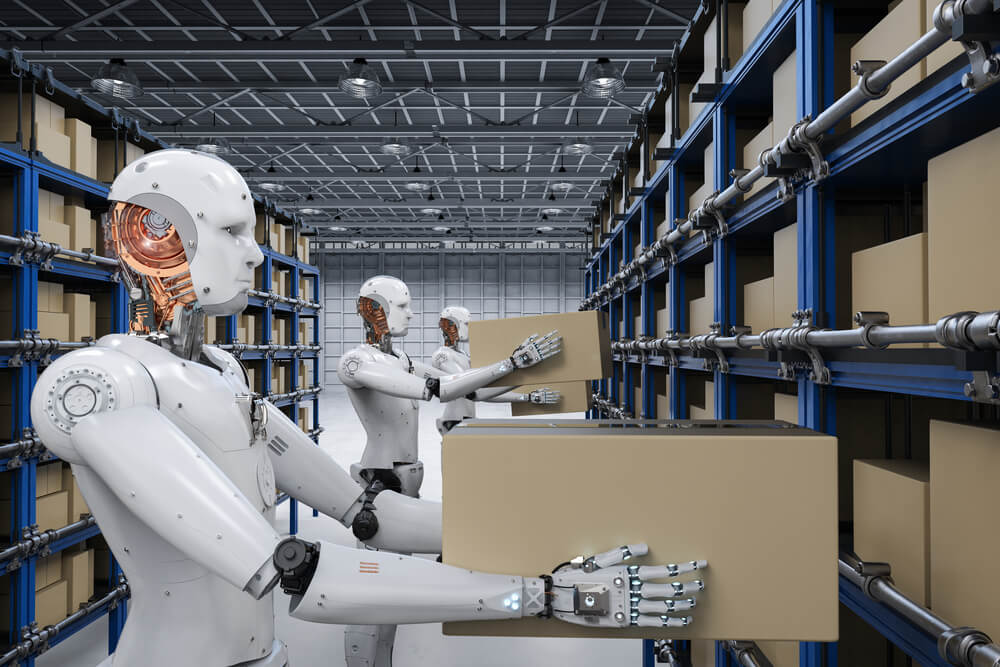
With its 15 kg payload capacity and operational range of up to 2 meters, the robot can easily handle packages of various sizes and weights. Its advanced vision system can identify different products, while its flexible robotic arm ensures goods are not damaged during handling.
Manufacturing
In manufacturing, particularly in the automotive and electronics industries, production lines often require workers to load/unload machines and assemble components. These tasks are not only monotonous and repetitive but may also pose certain safety risks. The HMND 01 Alpha robot can replace humans in these tasks, such as feeding raw materials into processing equipment or removing processed parts.
Its high-precision operation capability enables it to handle delicate assembly work. By integrating with existing production equipment, the robot can automate production processes, improving efficiency and product quality consistency. Furthermore, using robots can free workers from potentially hazardous environments, enhancing workplace safety.
Retail
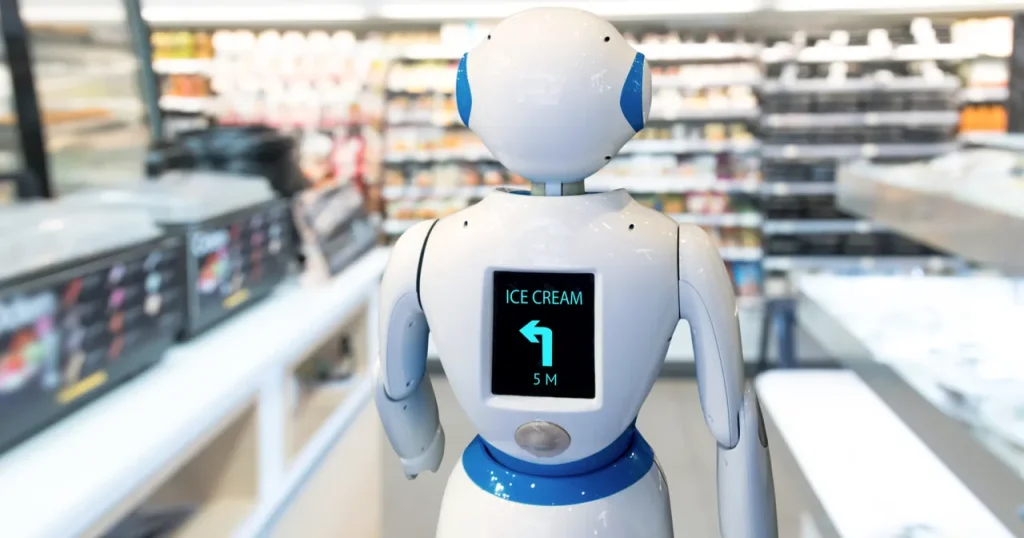
In supermarkets or shopping malls, restocking and inventory checking are time-consuming and labor-intensive tasks. The HMND 01 Alpha robot can autonomously move between shelves during or after business hours, check product inventory levels, and send stock-out information to backend systems or directly retrieve items from the warehouse for restocking.
Service
Due to their friendly appearance, humanoid robots have a natural advantage in customer service and guidance. The HMND 01 Alpha robot can be deployed in public places such as airports, shopping malls, and museums to provide services like information inquiries and route guidance to customers. Its integrated voice interaction system allows it to engage in natural conversations and answer questions in multiple languages.
For example, the robot can guide customers to specific stores or introduce the background of exhibits. This application not only improves service efficiency but also offers customers a novel and interesting interactive experience.
Insight from AI Eidos Robots about HMND 01 Alpha Robot
With the HMND 01 Alpha, Humanoid has demonstrated a clear and unique path. Instead of seeking to immediately surpass the frontrunners in terms of hardware performance limits, it aims to accelerate the commercialization process through systematic innovation (simulation + modularity + business model).
The dual-track strategy of “wheeled-first, bipedal-long-term” reflects highly pragmatic business wisdom. The wheeled version addresses approximately 80% of mobile manipulation needs in current industrial scenarios, enabling rapid cash flow generation and technological validation. Meanwhile, the bipedal version represents a bet on the ultimate form for future unstructured environments. This strategy effectively balances short-term survival with long-term vision, while managing technical risks and capital expenditure.
The RaaS model serves as a key driver: For capital expenditure-sensitive industries like manufacturing and logistics, the RaaS model significantly lowers the adoption barrier. This is not merely a pricing strategy but a deep partnership that shares risks with customers and jointly benefits from efficiency gains. The 19,500 pre-orders are a testament to the strong market demand for this “light-asset access to automation” model.
Image Credits: Distilledpost & Lookingglassxr & Thehumanoid & Icatlogisticsdtw & Supermarketnews