TOP Thermoplastic Polyurethane Manufacturers/Suppliers: Industry Overview
Table of Contents
Thermoplastic polyurethane manufacturers continuously improve the mechanical properties (such as strength, elasticity, and abrasion resistance), weather resistance (high-temperature resistance, low-temperature resistance, UV resistance), chemical stability, and other characteristics of TPU by developing new formulations and processes, meeting the demand for high-performance materials across different industries. This article introduces the world’s major thermoplastic polyurethane manufacturers.
Thermoplastic Polyurethane Meaning
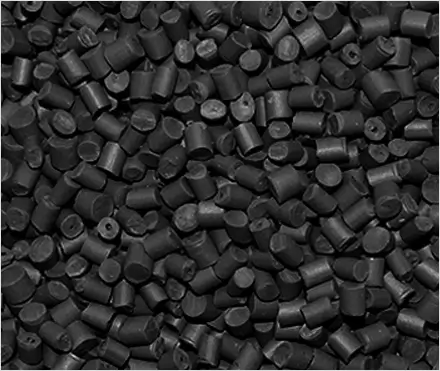
Thermoplastic polyurethane elastomer (TPU) is a class of elastomers that can be plasticized by heating or dissolved by solvents. It exhibits excellent comprehensive properties such as high strength, high toughness, abrasion resistance, and oil resistance.
The chemical structure of thermoplastic polyurethane elastomer is a type of (AB)n block linear polymer, where A is a high-molecular-weight (1000–6000) polyester or polyether, and B is a diol containing 2–12 straight-chain carbon atoms. The chemical structure between the AB segments is diisocyanate. Thermoplastic polyurethane is crosslinked by intermolecular hydrogen bonds or slight crosslinking between macromolecular chains. These two crosslinked structures are reversible as temperature increases or decreases. In the molten or solution state, intermolecular forces weaken, but upon cooling or solvent evaporation, strong intermolecular forces reconnect, restoring the original solid properties.
Recommended In-depth Reading from AI Robots Eidos
If readers want a comprehensive understanding of Thermoplastic Polyurethane (TPU), please read this detailed article introducing Thermoplastic Polyurethane (TPU).
Core Thermoplastic Polyurethane Manufacturers/Suppliers
BASF
| Overview
BASF is one of the world’s leading thermoplastic polyurethane manufacturers/suppliers, with numerous production sites globally.
| Production Bases
BASF primarily produces TPU at the following locations:
| City | Country |
| Wyandotte | USA |
| Lemförde | Germany |
| São Paulo | Brazil |
| Shanghai | China |
| Yokkaichi | Japan |
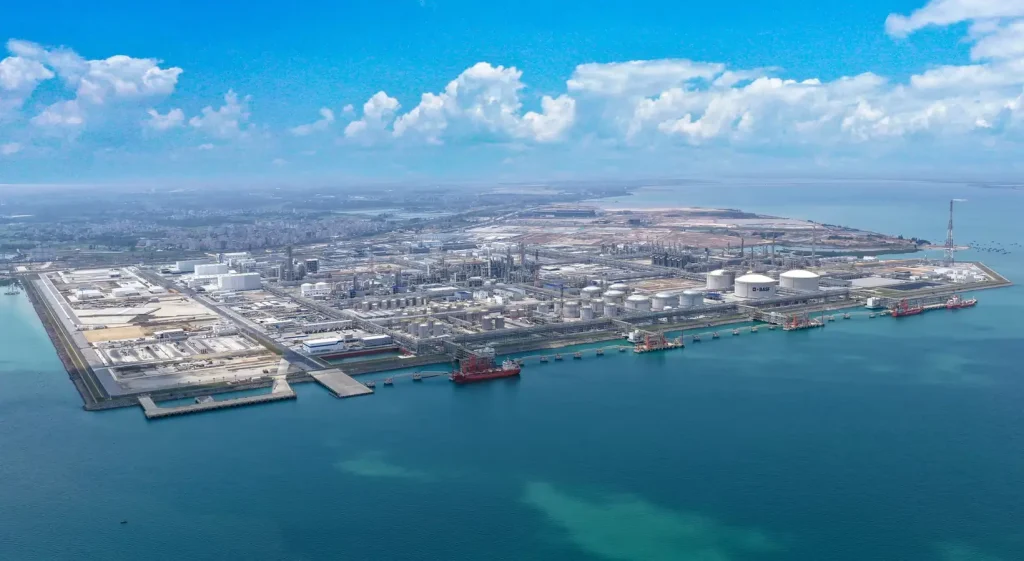
| Zhanjiang | China |
| Brands
Elastollan is BASF’s trade name for TPU and microcellular elastomers, with a history of over 50 years. Elastollan TPU is widely used in consumer goods, geology, transportation, films and sheets, electronics, agriculture, industrial components, wire and cable sheathing, hoses and pipes, polymer modifiers, food processing, leisure, and footwear. Elastollan offers a wide hardness range and can be polyester-based or polyether-based. It can be extruded into hoses, cable sheaths, belts, films, and profiles, and can also be processed using blow molding and injection molding techniques. It is also available as Elastollan Bondura and Elastollan Hotbond for adhesives.
Infinergy is BASF’s E-TPU brand. The closed-cell elastic particle foam combines TPU properties with the advantages of foam, making it elastic like rubber but lighter. It is used in transportation, furniture, construction, and sports equipment.
| Company Developments in the TPU Field
2014: BASF invested in Gujarat, India, to produce Elastollan (TPU) and Cellasto (microcellular PU elastomer). However, at the end of 2017, due to changing customer demand in South Asia, BASF announced it would expand Cellasto capacity while ceasing TPU production.
2018: BASF began producing Infinergy E-TPU material in Changhua, Taiwan, China, to meet growing regional and global demand.
2019: BASF opened its Elastollan TPU development center in Wyandotte, Michigan, USA.
2019: BASF announced plans to build a new Verbund site in Zhanjiang, China, including a TPU plant, an engineering plastics compounding plant, and a TPU facility.
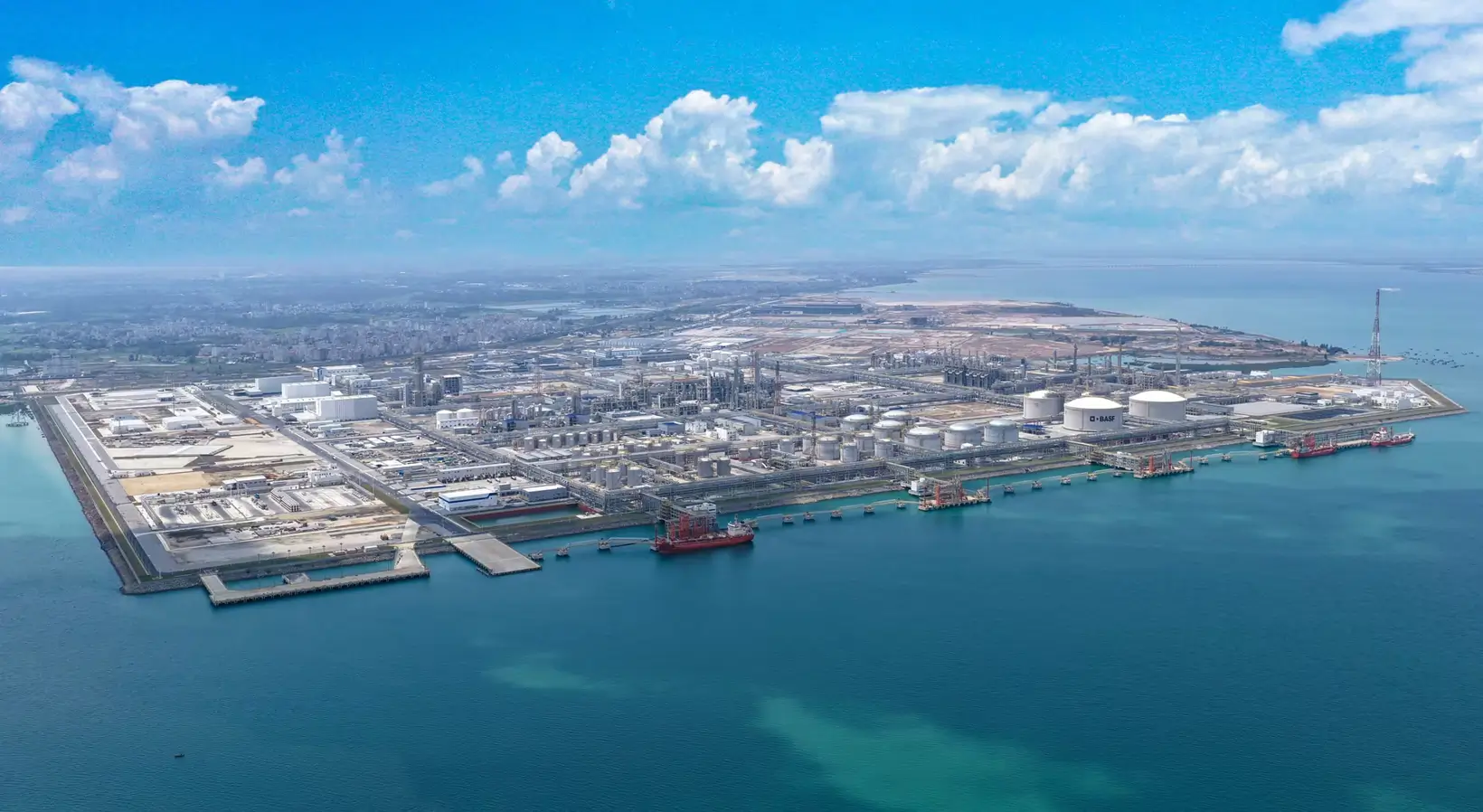
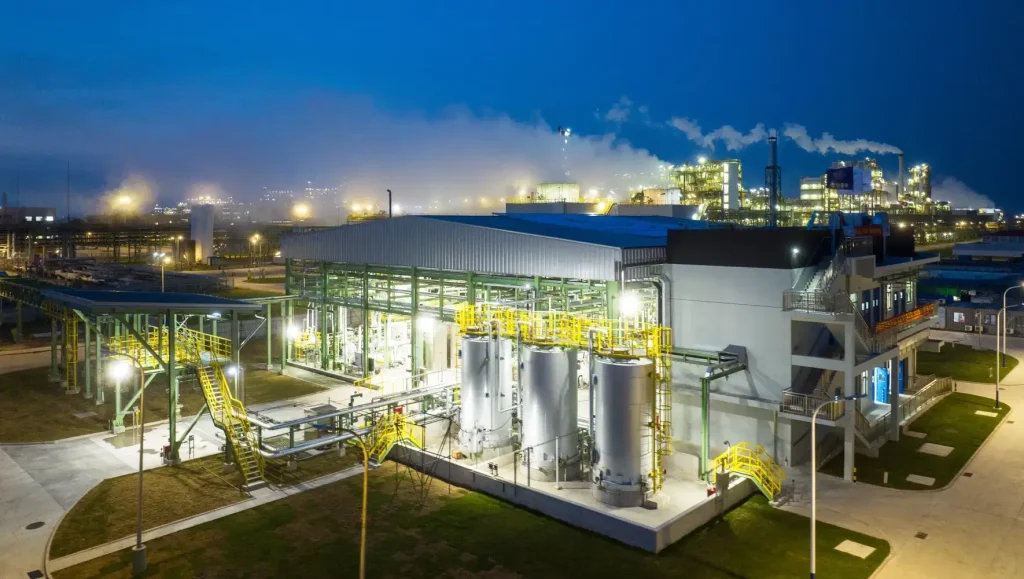
2024: The second unit of BASF’s Zhanjiang Verbund site—the thermoplastic polyurethane (TPU) plant—officially started production, marking the completion of the first batch of units at the site. This is BASF’s largest single TPU production line, primarily aimed at meeting the growing demand for TPU in the Asia-Pacific market.
Covestro
| Overview
Covestro, formerly Bayer MaterialScience, began operating independently in September 2015. As one of the major thermoplastic polyurethane manufacturers, Covestro operates approximately 30 production plants across Europe, Asia, and the Americas. Eight of these are world-class facilities located in Germany (Brunsbüttel, Dormagen, Krefeld-Uerdingen, Leverkusen), Belgium (Antwerp), China (Shanghai), Thailand (Map Ta Phut), and the USA (Baytown).
| Production Bases
Covestro produces TPU at the following locations:
| City | Country |
| Cuddalore | India |
| South Deerfield | USA |
| Dormagen | Germany |
| New Martinsville | USA |
| Sakai | Japan |
| Shenzhen | China |
| Changhua | China |
| Walsrode | Germany |
Covestro produces TPU film products (Dureflex and Platilon) at:
| City | Country |
| Map Ta Phut | Thailand |
| Guangzhou | China |
| South Deerfield | USA |
| Dormagen | Germany |
| Brands
Covestro’s TPU products include the following grades:
Desmopan: Linear thermoplastic copolymers suitable for injection molding and extrusion.
Desmoderm: For one-component polyurethane curing.
Desmomelt: Raw materials for solvent-free TPU hot-melt adhesives, suitable for extrusion or direct coating.
Texin: TPU with a hardness range from very soft to extremely rigid, offering a soft touch and compliance with FDA food contact regulations.
Desmoflex: Thermoplastic elastomer compounds based primarily on Desmopan, along with specialty thermoplastic elastomers such as styrenic block copolymers (SBC), thermoplastic vulcanizates (TPV), and/or copolyester elastomers (COPE).
Desmovit: Thermoplastic polyurethane developed by Covestro in cooperation with Geba.
| Company Developments in the TPU Field
2018: Covestro launched its first TPU containing a new polyether carbonate polyol based on CO₂ technology. The Desmopan 37385A has a lower carbon footprint than conventional TPU. The polyol is produced by Covestro in Dormagen under the brand name Cardyon.
2018: Covestro reached an agreement with Reverdia to jointly develop and commercialize TPU based on renewable raw materials. Covestro will use Reverdia’s Biosuccinium succinic acid to produce its Desmopan TPU for various applications, including footwear and consumer electronics.
2018: Covestro increased its Texin TPU capacity in New Martinsville, West Virginia, by 25% through debottlenecking.
2018, Covestro increased its stake in its Japanese TPU joint venture, DIC Covestro Polymer Ltd., from 50% to 80%.
2019: Covestro announced the completion of its TPU capacity expansion at its Changhua manufacturing base in Taiwan,China. The site’s capacity increased from 18,000 tons/year to 23,000 tons/year, a 30% increase, which is the Covestro’s largest TPU production base in Asia.
2020: Covestro signed a cooperation agreement with TPU compounder Teknor Apex regarding TPU modification. Co-developed products will be marketed under Covestro’s Desmoflex brand.
Huntsman
| Overview
Huntsman Polyurethane is a business unit of Huntsman Corporation, a global manufacturer of differentiated organic and inorganic chemicals serving a diverse range of consumer and industrial customers. Its products are used in various fields, including adhesives, transportation, personal care, synthetic fibers, and construction.
Huntsman Polyurethane is a global leader in MDI-based technologies and polyurethane components for adhesives, bedding and furniture, footwear, insulation, and intermediates. The polyurethane division has world-class production facilities in the United States, the Netherlands, and China, along with 30 additional downstream formulation facilities. It serves over 3,000 customers in more than 90 countries.
| Production Bases
Huntsman Polyurethane operates multiple facilities globally for TPU research and development, including a 20,100-square-foot global TPU R&D center in New Hampshire.
Huntsman’s TPU plants are located in Osnabrück, Germany; Ringwood, Illinois, USA; and Shanghai, China. The Shanghai plant, which began production in 2014, is Huntsman’s first TPU production facility in the Asia-Pacific region.
| TPU Brands
Like other thermoplastic polyurethane manufacturers, Huntsman, too, has adopted a multi-brand strategy.
Avalon: For leisure, sports, and professional footwear production; colorable.
Irogran: For extrusion and injection molding applications such as cables and wires, hoses and pipes, films and sheets, seals, and other components.
Irocoat: For coating textiles and fabrics requiring good chemical resistance, low-temperature flexibility, and good adhesion.
Irodur: Polyisocyanate crosslinkers for TPU granules, designed to enhance thermal stability, adhesion, hydrolysis resistance, and chemical and oil resistance of final adhesive formulations. Can be used to complement Irostic.
Krystalgran: High-performance aliphatic polyester-based resins for film and sheet production, offering benefits for optical (safety laminates and safety displays) and non-optical applications (traffic and warning signs, protective films for exterior automotive applications). This brand offers excellent UV stability and color retention.
Krystalflex: Optical aliphatic (OA) TPU film for interlayer lamination films in the glass industry.
Smartlite: Soft, injection-moldable TPU for outsoles or for use in combination with polyurethane midsoles.
| Company Developments in the TPU Field
2015: Huntsman expanded its TPU plant capacity in Osnabrück, Germany, from 70,000 tons to approximately 75,000 tons/year.
2018: Huntsman’s TPU team established a partnership with T. Michel Formenbau GmbH & Co. KG, a leading producer of molds and tools for the plastics processing industry. The alliance aims to benefit plastics product manufacturers looking to explore the use of expanded TPU (E-TPU).
2020: Huntsman announced that it had increased production capacity at its TPU pellet and TPU film plant in Ringwood, Illinois.
Lubrizol
| Overview
Thermoplastic polyurethane (TPU) was invented by Lubrizol Advanced Materials in 1959, when the company was still known as BF Goodrich. Founded in 1928, Lubrizol is a wholly owned subsidiary of Berkshire Hathaway. This innovative specialty chemical manufacturer produces and supplies technologies that enhance the quality and performance of customer products in global transportation, industrial, and consumer markets.
As one of the core thermoplastic polyurethane manufacturers, Lubrizol operates through two segments: Lubrizol Additives and Lubrizol Advanced Materials. Lubrizol Additives is involved in the production of engine oil additives, other transportation-related fluids, industrial lubricants, and gasoline and diesel fuel additives for downstream fuel markets. The Lubrizol Advanced Materials segment produces specialty materials, including plastic technologies and thermoplastic polyurethanes, as well as resins for performance coatings and additives for personal care products and pharmaceuticals.
| Production Bases
The company’s engineered polymers division produces TPU and other products in:
| City / Region | Country |
| São Paulo | Brazil |
| Miguel Hidalgo | Mexico |
| Avon Lake, Ohio | USA |
| Songjiang | China |
| Tokyo | Japan |
| Seoul | South Korea |
| Oevel | Belgium |
| Vikhroli | India |
| Barcelona | Spain |
| Lubrizol’s TPU Product Brands
Estane: TPU offering superior performance by bridging the gap between flexible rubber and rigid plastic. Versatile and suitable for various applications, including consumer goods, transportation, medical, construction, agriculture, OEM electronics, industrial, recreational uses, and defense.
Pearlstick: TPU specially developed as linear thermoplastic elastomers for use in the manufacture of solvent-based adhesives for industries such as automotive, furniture, and footwear.
Pearlthane: A range of thermoplastic polyurethane elastomers for extrusion, injection molding, and compounding applications. Applications include highly flexible films, abrasion-resistant hoses, and soft-touch injection-molded parts where specific properties (soft touch, non-yellowing, transparent, or high performance) are required. Also available as bio-based TPU with high renewable content (28%), called Pearlthane Eco.
Pearlcoat: A range of thermoplastic polyurethanes for melt fabric coating applications on textile substrates, such as conveyor belts, inflatable boats, and life jackets.
Pearlbond: High-molecular-weight granules used in the production of reactive hot-melt adhesives (HMPUR) for automotive interior parts, bookbinding, textiles, footwear, and furniture. Also available as bio-based TPU with high renewable content, called Pearlbond Eco.
Bio TPU: Bio-based TPU with performance comparable to petroleum-based TPU. Renewable content ranges from approximately 30% to 80%. Two current products are Pearlthane Eco and Pearlbond Eco.
| Company Developments in the TPU Field
2020: Lubrizol announced the addition of a new TPU production line at its plant in Songjiang, Shanghai, China. This was the second expansion within a year, aimed at maintaining sustained growth in the Asian market.
List of Major Thermoplastic Polyurethane Manufacturers/Suppliers
| Thermoplastic Polyurethane Manufacturers | Country | Introduction & Technical Strengths |
| BASF | Germany | Global chemical giant with a rich TPU product line covering high-performance TPU such as UV-resistant grades. Strong technical expertise, widely used in electronics, automotive, and other fields, with a significant global market share. |
| Covestro | Germany | One of the main German thermoplastic polyurethane manufacturers, it focuses on high-performance polymers, with technical advantages in TPU products for construction and electronics. Particularly at the forefront of bio-based TPU and eco-friendly TPU development. |
| Lubrizol | USA | A traditional giant in the TPU industry, known for its Estane brand TPU. Products cover shoe materials, adhesives, specialty molding, and more. Mature technology with substantial global supply capacity. |
| Huntsman | USA | A global specialty chemicals company with TPU products widely used in construction, automotive, footwear, and other fields. Strong technical capabilities, particularly with advantages in high-performance TPU and customized TPU solutions. |
| Wanhua Chemical | China | A world-leading TPU manufacturer with a complete industrial chain and large-scale production capacity. Particularly technologically advanced in high-end TPU materials and bio-based TPU. Holds a top global market share and a dominant position in the Chinese market. |
| Tosoh | Japan | A Japanese chemical company with significant influence in the Asian TPU market. Products are used especially in electronics and automotive. Possesses strong technical skills and focuses on high-performance TPU R&D. |
| Asahi Kasei | Japan | One of Japanese thermoplastic polyurethane manufacturers. TPU products are widely used in apparel, sports equipment, and other fields. Technical strengths focus on high-performance TPU and composite TPU material development. |
| DSM | Netherlands | A Dutch science-based company. TPU products emphasize bio-based and eco-friendly TPU development, with strong technical capabilities. |
R&D Directions of Thermoplastic Polyurethane Manufacturers/Suppliers
| Fiber-Reinforced Modified TPU Composites
TPU has good impact resistance, but some applications require high elastic modulus and very rigid materials. Glass fiber reinforcement is a common technical method to increase the elastic modulus. This modification produces thermoplastic composites with high elastic modulus, good insulation, high heat resistance, good elastic recovery, corrosion resistance, impact resistance, low expansion coefficient, and dimensional stability.This is also a key focus of research and development for thermoplastic polyurethane manufacturers and suppliers.
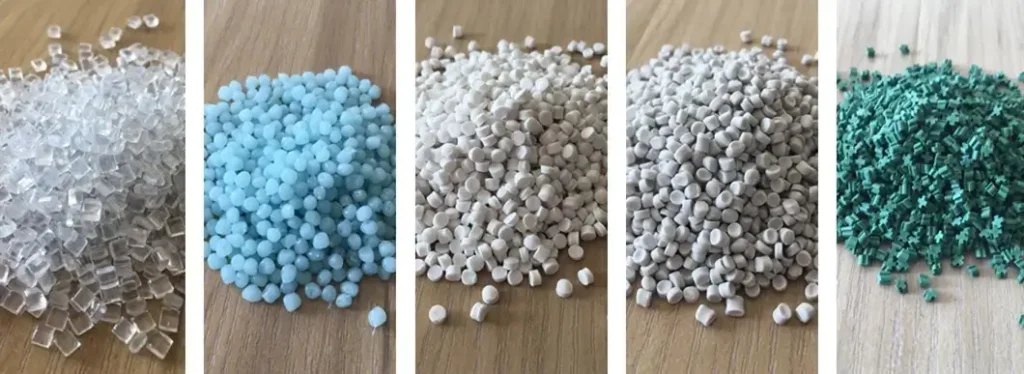
BASF has patented a technology for producing high-modulus glass fiber-reinforced TPU using short glass fibers. Using polytetramethylene ether glycol (PTMEG, Mn=1000), MDI, 1,4-butanediol (BDO), and 1,3-propanediol as raw materials, a TPU with a Shore D hardness of 83 is synthesized. Compounding this TPU with glass fiber at a mass ratio of 52:48 yields a composite material with an elastic modulus of 18.3 GPa and a tensile strength of 244 MPa.
| Bio-Based TPU
A common method for producing bio-based TPU is introducing bio-based monomers or intermediates (such as bio-based isocyanates like MDI or PDI, or bio-based polyols) during polymerization. Bio-based isocyanates are rare in the market, while bio-based polyols are more common.
Several thermoplastic polyurethane manufacturerS have launched bio-based TPU with performance comparable to traditional petroleum-based TPU. The main difference among these bio-based TPUs is the bio-based content, typically 30–40%, with some achieving higher levels. Compared to traditional petroleum-based TPU, bio-based TPU offers advantages such as reduced carbon emissions, sustainable raw material regeneration, green production, and resource conservation. BASF, Covestro, Lubrizol, Wanhua Chemical, and other thermoplastic polyurethane manufacturers have launched their own bio-based TPU brands.
| Process Innovation and Intelligent Production
To enhance market competitiveness, thermoplastic polyurethane manufacturers/suppliers are optimizing their TPU polymerization, extrusion, injection molding, and other processes to improve production efficiency and product quality stability.
At the same time, thermoplastic polyurethane manufacturers/suppliers are introducing intelligent production systems to achieve real-time monitoring, data analysis, and adaptive control of production processes, reducing energy consumption and costs.
Insight from AI Robots Eidos about Thermoplastic Polyurethane Manufacturers
| Under the context of oversupply in general-purpose TPU, thermoplastic polyurethane manufacturers will allocate more resources to formula databases, application development, and collaborative R&D with customers. Future competitive barriers will no longer focus on “how much TPU can be produced”, but rather on “how quickly and accurately specialized materials can be developed for customers”.
| Competition among TPU factories will shift from equipment scale to data capabilities. Thermoplastic polyurethane manufacturers that can leverage AI to assist in aggregation control, predict quality fluctuations, and automatically adjust process parameters will gain significant advantages in cost, stability, and delivery timelines.
| Driven by geopolitical factors and supply chain security, thermoplastic polyurethane manufacturers will be more inclined to establish “regional closed-loop” production capacities within major consumer markets (Asia-Pacific, North America, and Europe), reducing intercontinental transportation and improving response times. In the future, the TPU supply chain will become shorter and more localized.
Image Credits: Gasgoo & BASF & Covestro & Huntsman & Lubrizol & Haisiextrusion & Atpchem