
Table of Contents
The AGV wheel material directly affects the AGV’s load capacity, operating efficiency, energy consumption, floor protection, and environmental adaptability, making it a critical factor in AGV selection.
The Importance of AGV Wheel Material Selection
The choice of AGV wheel material directly determines the equipment’s load capacity, operational stability, floor adaptability, and service life. However, in actual AGV procurement, the wheel material is often the most overlooked aspect. When most companies purchase AGVs, they tend to focus more on “explicit parameters” such as motor power, battery capacity, and control systems, while treating the wheel material as a standard accessory. In fact, the wheel-floor contact interface is the final link in the entire mechanical power transmission chain, and a poor choice of wheel material can lead to significant losses.
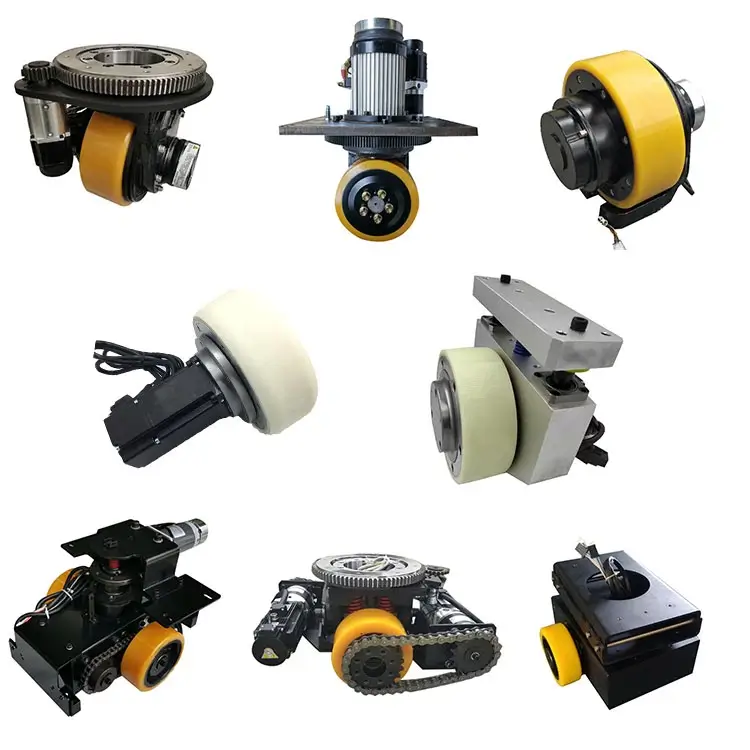
For example, some companies, purely for cost reduction and without considering the epoxy floor condition of their operating environment, opt for nylon AGV wheels. After a few months of use, the nylon wheels may scratch over 200㎡ of epoxy flooring, with repair costs far exceeding the initial savings from choosing cheaper wheels.
AGV Wheel Materials by Type
–Polyurethane AGV Wheels
Polyurethane wheels offer a wide hardness range (Shore A 60–95), moderate friction coefficient with the floor, and low starting resistance. Their greatest advantage is that they do not damage floors, making them suitable for clean environments such as epoxy and diamond‑ground floors. They also feature oil resistance, hydrolysis resistance, high resilience, and good heat dissipation, adapting well to general industrial environments, especially high‑speed applications.
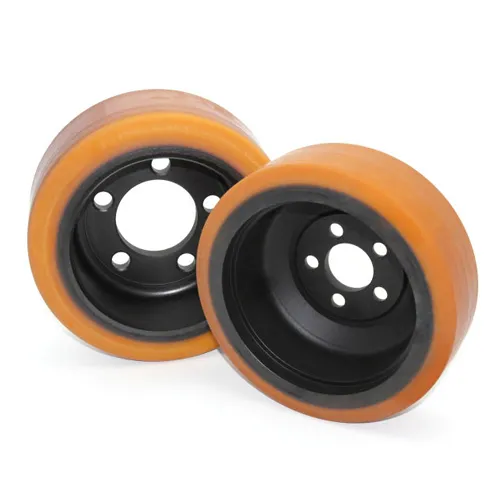
However, polyurethane wheels have a relatively limited load capacity, performing best under 5 tonnes. In heavy‑duty applications, PU wheels are prone to permanent deformation, affecting operational accuracy. Additionally, they have poor adaptability to rough floors; foreign objects like stones or metal chips can easily damage the tread.
–Rubber AGV Wheels
Rubber has excellent elongation (up to 1000%), a hardness range of 0–100 Shore, and resilience of 50–85% or more. It is formed through mastication and vulcanization. To achieve wear resistance, additives such as silica, wear‑resistant carbon black, reinforcing fibers, and graphite are introduced during vulcanization. Rubber AGV wheels have low rolling resistance and suit a variety of floor types. Their operating temperature range is –40°C to +80°C, with brief use up to +100°C. Moreover, rubber wheels provide strong ground adhesion and good anti‑skid performance. They are relatively low‑cost, making them a cost‑effective choice for medium load applications.
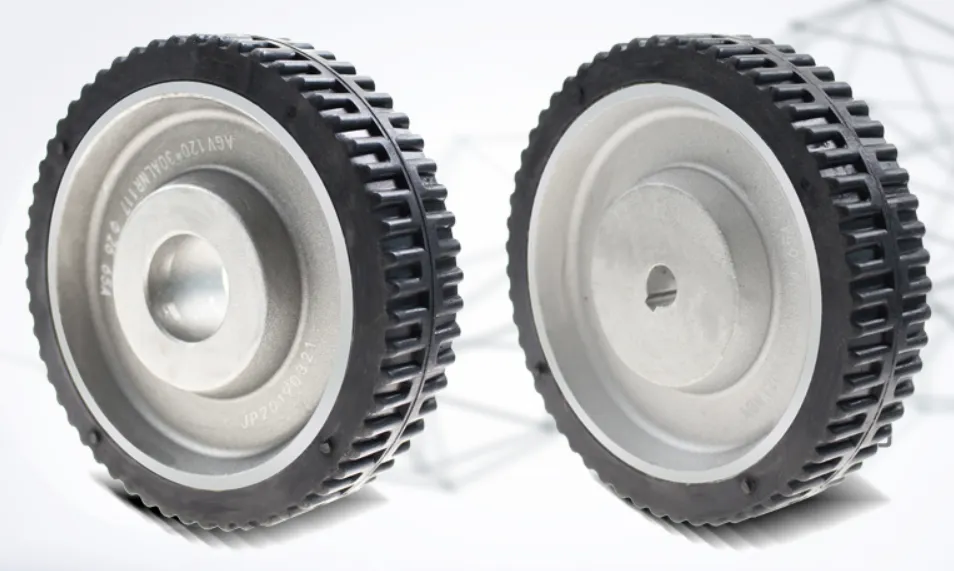
However, rubber wheels have average wear resistance and a shorter service life than polyurethane wheels; prolonged heavy loading easily causes permanent deformation. In oily environments, ordinary rubber wheels tend to swell and soften, requiring oil‑resistant rubber compounds. For outdoor or semi‑outdoor environments, special attention must be paid to weather resistance (UV, ozone).
| Performance Indicator | Polyurethane (PU) | Rubber | Nylon (PA) |
| Hardness Range | Shore A 60-98, Precisely customizable | Shore A 40-90, Average precision control | Shore D 70-85, Hard, poor elasticity |
| Tensile Strength | 30-50 MPa | 10-25 MPa | 60-80 MPa, but lacks elasticity |
| Tear Strength | 80-120 kN/m | 20-50 kN/m | High but poor impact resistance |
| Abrasion Resistance | 30-50 mm³ | 120-200 mm³, (High wear) | 60-100 mm³, (Brittle wear) |
| Resilience | 30-50%, Excellent vibration absorption | 40-60%, Good elasticity but fast decay | <10%, Almost no elasticity |
| Density (g/cm³) | 1.15-1.25 | 1.10-1.40 | 1.13-1.15 |
| Operating Temperature Range | -30°C to +80°C, Special formula up to 120°C | -20°C to +70°C, High temperature prone to aging | -40°C to +100°C, Good low-temperature toughness |
| Oil / Solvent Resistance | ★★★★★ | ★★★★★ | ★★★★★ |
| Hydrolysis Resistance | ★★★★★ (Ether-based formula improves) | ★★★★★ | ★★★★★ |
| Rolling Resistance | Low | Medium | Low |
Nylon wheels offer high mechanical strength, high load capacity, good wear resistance, and resistance to oil and chemicals. They are suitable for heavy‑duty applications (10 tonnes and above) and environments with oil or chemical exposure.
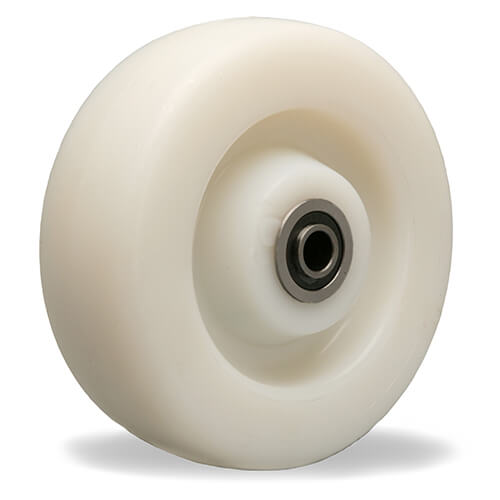
However, nylon wheels are hard, so they have high requirements for floor quality. They are unsuitable for rough floors, as well as for environments requiring floor protection (e.g., epoxy or PVC floors). Long‑term use may cause separation between the hub and the tread due to thermal expansion. Nylon wheels also have poor low‑temperature performance, becoming brittle in cold conditions; modified nylon is needed in such cases.
Recommended Related Reading from AI Robots Eidos
Nylon wheels perform exceptionally well in heavy load applications, featuring high load capacity and resistance to oil and corrosion. Among the nylon family, PA6 (Polyamide 6), the most widely used member, stands out for its balanced performance in mechanical strength, toughness, and wear resistance, making it one of the core materials for AGV heavy-load wheels.
Interested readers who wish to learn more about the material properties of PA6 are encouraged to read this article on PA6.
–Cast Iron / Steel AGV Wheels
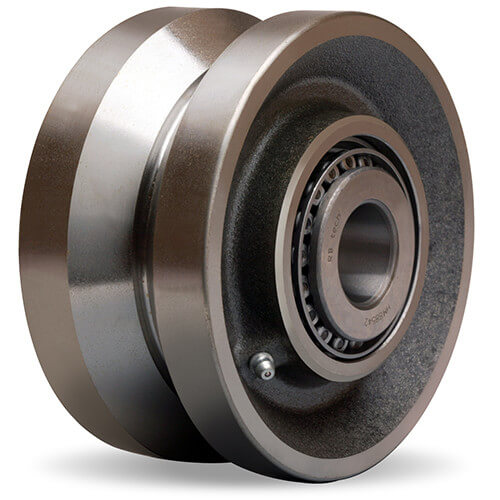
Cast iron and steel wheels have the highest load capacity (tens of tonnes), excellent wear resistance, and the longest service life. However, their high hardness leads to high impact on floors and easy floor damage, high starting resistance, and the need for regular lubrication maintenance. These wheels are intended for ultra‑heavy‑duty applications (20 tonnes and above), outdoor rough floors, or steel rail surfaces, in industrial environments where floor protection is not a concern. In modern factories with widespread epoxy flooring, the use of cast iron/steel wheels is diminishing.
The Process of Selecting AGV Wheel Materials
Selecting the appropriate wheel material requires considering a range of factors.
–Establish Priorities
If the top priority is “no slip + high wear resistance”, choose polyurethane. For clean environments where the primary concern is dust‑free operation, select low‑dust‑formulation polyurethane or nylon. Operating speed affects dynamic performance; medium‑to‑high speed applications require specially designed PU wheels or steel wheels.
–Determine Load Requirements
Calculate static load per wheel plus dynamic factor. Calculate the load per wheel based on the total equipment weight and number of wheels, and apply a safety factor of 1.3–1.5.
Formula: Load per wheel = (Total equipment weight × Safety factor 1.3–1.5) ÷ Number of wheels.
If the result exceeds 800 kg, use nylon or steel wheels. Rubber will undergo severe creep and should not be used.
–Assess Floor Type
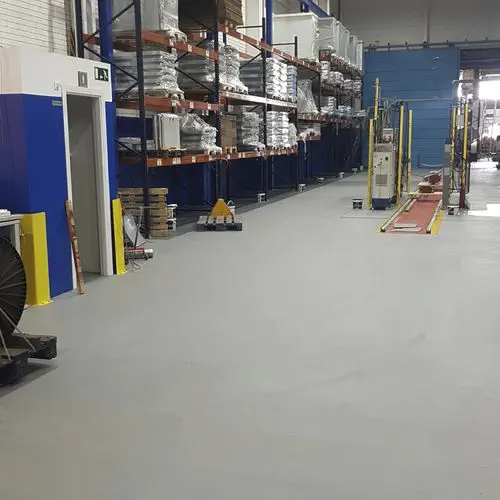
For epoxy or PVC floors, low‑hardness polyurethane (around Shore A 75) or soft rubber must be used. For concrete floors, there is high flexibility in material selection, with focus on wear resistance and load capacity. For very rough floors, rubber wheels are not suitable because they are easily cut and torn by the rough surface.
–Total Cost of Ownership (TCO) Comparison
Do not look only at unit price. Sum the procurement cost, replacement frequency, downtime losses, and floor maintenance costs to calculate the 5‑year total cost of ownership. It is recommended that companies ask AGV suppliers to provide TCO reference data from similar application scenarios.
Reference Solutions by AGV Wheel Material
| Load Range | Floor Type | Recommended Wheel Material | Wheel Configuration | Diameter |
| Under 5 tonnes | Indoor epoxy floor | Polyurethane | 4 wheels | 250–300 mm |
| 5–10 tonnes | Concrete floor | Rubber or nylon | 4–6 wheels | 300–400 mm |
| 10–20 tonnes | Industrial floor | Nylon or steel | 6–8 wheels | 400–500 mm |
| Over 20 tonnes | Outdoor / steel rail | Steel or cast iron | 8+ wheels | 500 mm and above |
These configurations are reference suggestions for typical scenarios; actual selection should be adjusted based on specific operating conditions. For example, in the same under‑5‑tonne indoor epoxy floor scenario, if the operation frequency is extremely high (continuous operation over 16 hours per day), a higher‑hardness PU wheel or an increased number of wheels to distribute wear is recommended. For 10–20‑tonne heavy loads, if the floor is not flat, nylon wheels may fail early due to local stress concentration; adding wheels or using larger diameters should be considered.
Maintenance of AGV Wheels
The service life of AGV wheels depends not only on material and manufacturing quality but also on daily maintenance. Regularly inspect wheel wear and replace excessively worn wheels promptly to avoid equipment failure caused by wheel failure. Keep wheels clean and prevent foreign objects from embedding into the tread to reduce abnormal wear.
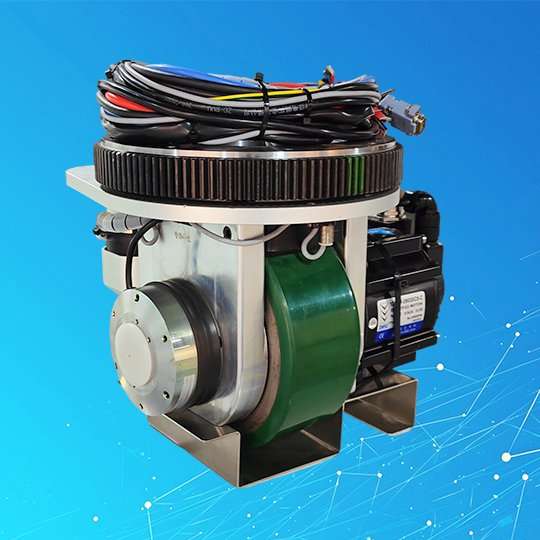
Steel and cast iron wheels require periodic bearing lubrication to reduce rolling resistance and extend bearing life. Avoiding overload operation is key to preventing permanent wheel deformation; once deformed, the equipment will run unevenly and may even cause safety accidents. Mixing wheels of different materials leads to unstable operation; it is recommended to use wheels of the same material and specification throughout.
Insight from AI Robots Eidos about AGV Wheel Material
—Enterprises can input parameters such as ground type (epoxy/concrete/rail), load, speed, operating duration, and environmental temperature into an online platform. Based on a large database of measured data, the system automatically recommends wheel material, hardness, diameter, and quantity configuration, and provides a 5-year total cost of ownership (TCO) comparison, concluding with andata-driven selection.
—When factories lay epoxy or iron sand floors, they can simultaneously match the optimal hardness and friction coefficient range for AGV wheels, and even customize low-wear collaborative formulations. This “ground-wheel symbiotic system” can extend both the lifespan of the ground and the wheels, thereby reducing total ownership costs from the source.
—By utilizing historical data such as speed, acceleration, steering frequency, and braking habits during AGV operations, combined with a wheel wear model, the system can dynamically assess whether the current wheels have deviated from optimal conditions. It can proactively suggest an early replacement with materials better suited to the current usage intensity, avoiding increased energy consumption or ground damage due to wheel performance degradation.
Image Credits: Stardrawing & Hamiltoncaster & Cjcrubber & Accesscasters & Archiexpo & Dmkmotor
Other Articles on The Topic of AGVs
Level A (Foundational )