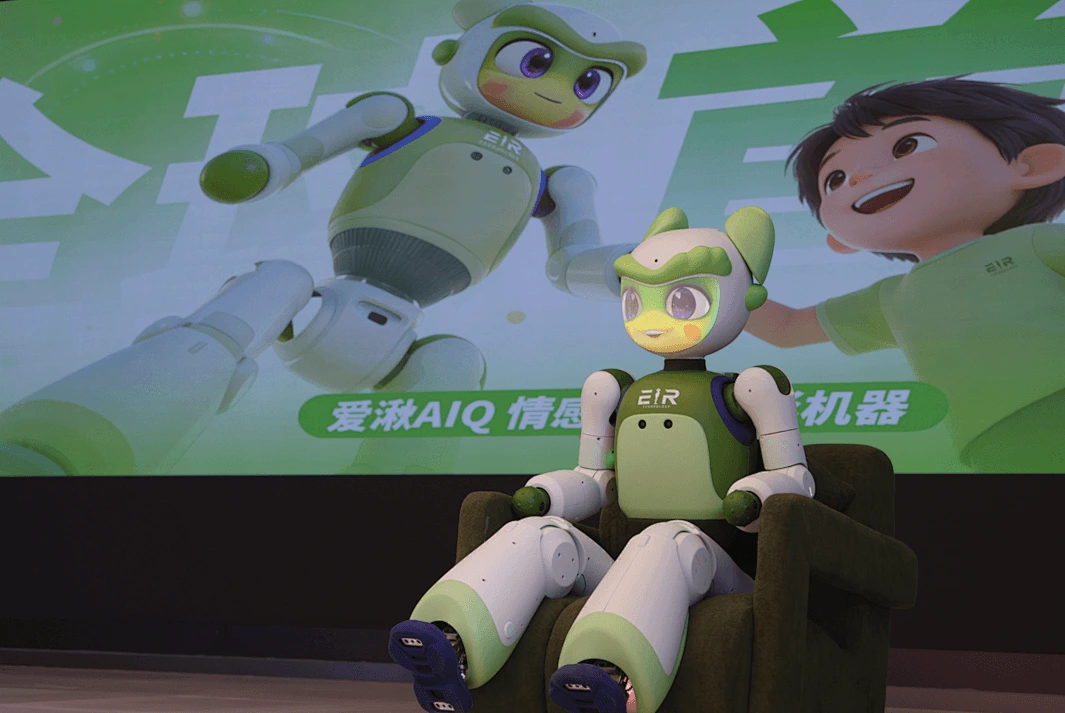
“Ai Qiu”, An Emotional Humanoid Robot, Makes Its Debut
Table of Contents
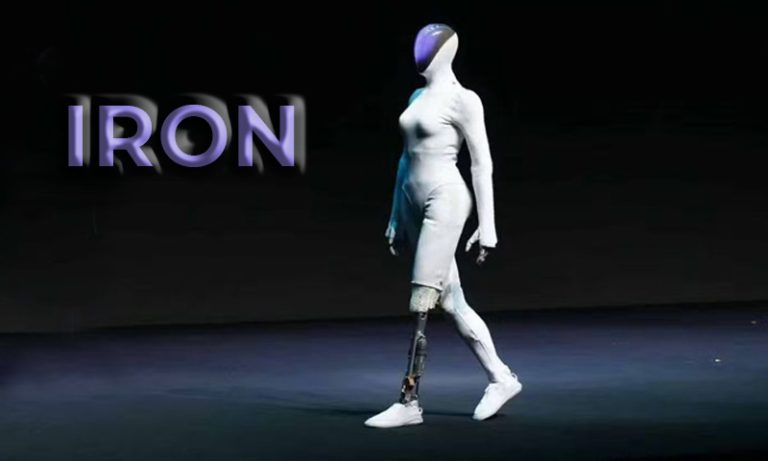
An emotional humanoid robot, “Ai Qiu,” officially made its public debut in Chengdu, China. The launch of “Ai Qiu” conveys this message: technological progress lies not only in improving robot parameters but also in serving the betterment of human life through warm companionship.
Product Positioning of the Ai Qiu Robot
The humanoid robot industry currently faces risks of high product similarity and compressed R&D space. Ai Qiu is not merely an assembly of code and parts; its birth represents a step toward a more “human-centric” path of emotional interaction. It grows from its own cultural soil and possesses its own personality. Simultaneously, it is also a deep exploration into the latter half of the artificial intelligence era.
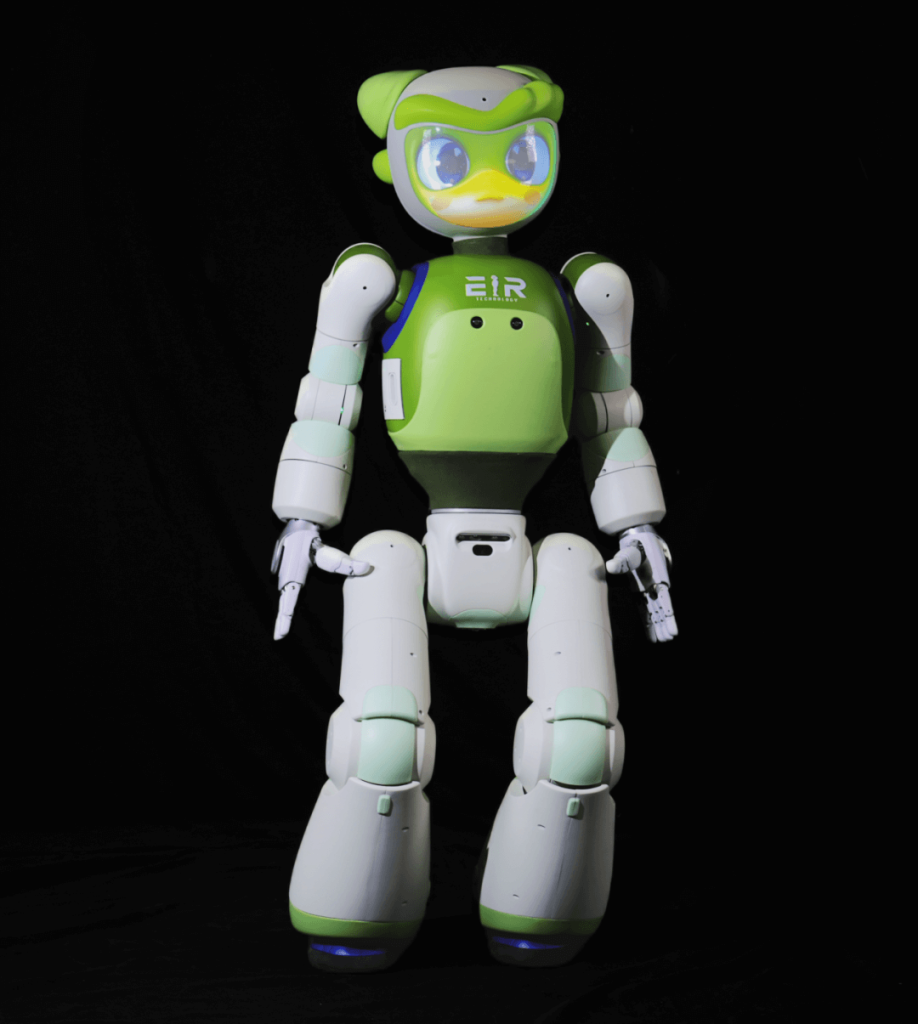
At the launch event, “Ai Qiu” communicated smoothly with people, using witty responses and subtle facial micro-expressions to successfully pass interactive tests in real high-concurrency scenarios.
Development Team of the Chinese Ai Qiu Robot
The team behind “Ai Qiu” is Sichuan Embodied Humanoid Robot Technology Co., Ltd. and Tianfu Jiangxi Laboratory in China. They aim to showcase a new technological direction through it: the development of artificial intelligence is shifting toward a joint exploration of perception, understanding, and empathy.
“Ai Qiu,” as a highly integrated emotional interactive humanoid robot, combines key technologies such as multimodal perception, voiceprint and sound field analysis, and emotional modeling. These core technologies represent long-term exploration directions at the Interactive Humanoid Robot Frontier Research Center of Tianfu Jiangxi Laboratory. The center focuses on building a collaborative innovation system of “data + computing power + embodiment,” tackling key technologies such as robot embodiment, natural interaction, autonomous learning, and emotional cognition. This effort addresses the adaptability challenges of intelligent robots in dynamic open environments and provides innovative momentum for the “birth” of “Ai Q.”
Development Technology of the Chinese Ai Qiu Robot
| Robot Interaction Interface: To give the robot a “lifelike” face, the team innovatively adopted ultra-short-throw projection technology and achieved fine control over 59 degrees of freedom on the face. This allows “Ai Qiu” to break free from the stiffness of traditional mechanical faces, displaying micro-expressions such as shifting gazes and subtle smiles.

| Robot “Brain”: At the level of the robot’s “brain,” relying on the industry-first ELA model (Emotion-Language-Action) developed by the company and the technical support of the Interactive Humanoid Robot Frontier Research Center at Tianfu Jiangxi Laboratory, “Ai Qiu” possesses exceptional emotional perception capabilities. Data shows that the model can currently accurately recognize no less than 14 human emotions, with an emotional category recognition accuracy rate of no less than 85%. In the future, “Ai Qiu” will continue to learn nuanced human expressions in real-world scenarios, accumulating and optimizing emotional data.

The ELA model enables “Ai Qiu” to move beyond being a mere one-way command executor. It can now perceive human emotions like joy, anger, sorrow, and happiness, and provide coordinated feedback through expressions, speech, and actions. “It’s so much fun; it’s like looking in a mirror,” remarked one participant during the interaction. When he laughed at “Ai Qiu,” the robot’s face almost simultaneously broke into a bright, natural, and vivid smile. This real-time mirroring technology is also a crucial part of the ELA model for collecting data and optimizing emotional expression in real-world scenarios.
| Machine Hearing: To achieve genuine emotional interaction, the foundational capabilities of the “Ai Qiu” robot are “hearing clearly, hearing accurately, and distinguishing between people.”
Hardware: Equipped with a 360-degree omnidirectional circular microphone array and high-precision sound source localization algorithms, it achieves highly sensitive “sound localization,” accurately locking onto the direction of the speaker.
Algorithm: Through directional sound pickup, the robot can effectively focus on the conversational partner; it maintains high speech recognition accuracy even at medium-to-long distances of 3 to 5 meters.
Experience: High-precision voiceprint recognition enables “Ai Qiu” to “recognize people by their voice,” achieving a qualitative leap from one-way data reception to two-way emotional engagement.
Business Paradigm
| IP Operation: Beyond technology, “Ai Qiu” showcases another possibility for the commercialization of embodied intelligence—IP-based operation. The technical team created a distinctive appearance with Eastern biophilic aesthetics for “Ai Qiu” and built a complete worldview, including AI comics and novels. This attempt to deeply integrate cutting-edge technology with local culture and fashion trends successfully lifts the robot out of the cold industrial category, turning it into a “new friend” that the public is happy to engage with.
| Customization: The successful debut of “Ai Qiu” demonstrates the potential for embodied intelligence in the field of emotional companionship. The development team sought to move beyond pure hardware logic by constructing an independent worldview and personality system, giving its own “soul.” To this end, the development team announced that it will open underlying development interfaces, inviting global makers to co-create “one thousand faces for one thousand people”—personalized, customized “Ai Qiu” robots.
Progress in Other Emotional Humanoid Robot Research
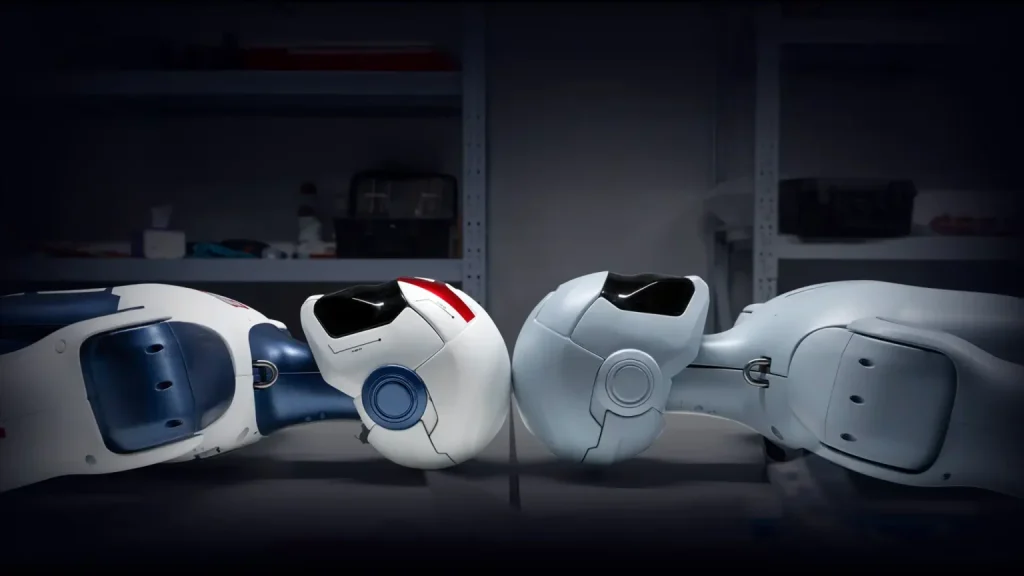
| RealBotix’s Aria: Uses highly realistic silicone skin, integrates multimodal AI systems, and can produce subtle micro-expressions (like biting lips or raising eyebrows) through dozens of facial motors, simulating emotional responses based on interaction contexts.
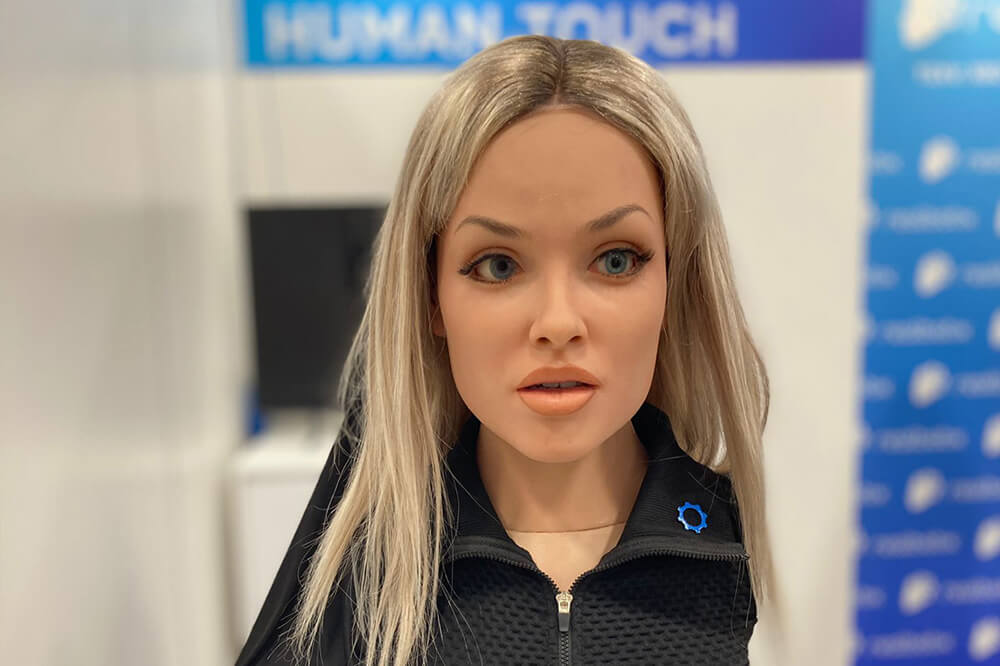
| Nadine Social Robot: Developed by Nanyang Technological University in Singapore, it has a lifelike appearance, soft skin, and dark brown hair. It can recognize faces, speech, gestures, and objects, possesses memory functions, and simulates emotions, enabling intuitive emotional interaction with humans.
Debate Points Regarding the Ai Qiu Robot
| Where is the boundary of authenticity in emotional interaction? “Ai Qiu’s” emotional feedback is based on algorithmic and data-driven responses. There is an essential difference between the responses of robot algorithms and data and genuine human emotions, such as sweet love or sincere friendship. This will inevitably spark discussions about “whether machine emotions count as real emotions.” If they are not considered real emotions, can it still be called an emotional robot?
| How are privacy (especially concerning voiceprint and emotional data) security issues resolved during large-scale applications? This is because human emotions are undoubtedly part of an individual’s privacy. To interact better with humans emotionally, robots need to learn and optimize based on human privacy data. Where is this privacy data stored? Is it secure?
News Analysis from AI Robots Eidos
The core innovation of “Ai Qiu” lies in its ELA (Emotion-Language-Action) model. This represents a fundamental shift in R&D philosophy: the goal of artificial intelligence is transitioning from “efficiently completing tasks” to “establishing emotional connections and understanding.” This suggests that one of the ultimate goals of future human-computer interaction may be “empathy capability.”
“Ai Qiu” emphasizes growing from “its own cultural soil,” possessing Eastern biophilic aesthetics and a complete worldview (AI comics, novels). This breaks away from the competition of technological homogenization globally, deeply integrating cultural soft power with hardware, and pioneering a new category of “culture-empowered robots.”
Image Credits: Humanoid & AI Qiu & Facebook & Robophilosophy