
Table of Contents
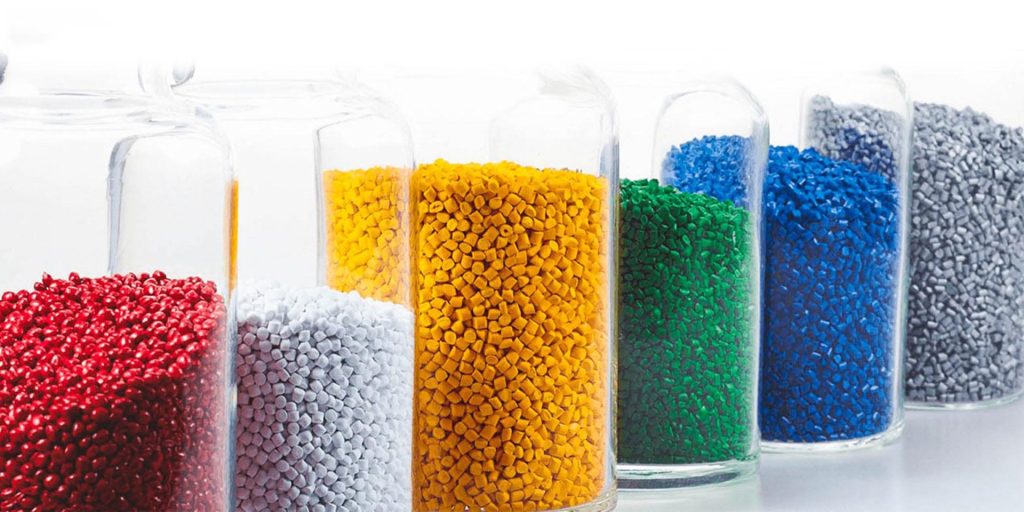
Modified PA6, also known as modified Polyamide 6 / Nylon 6, are gaining increasingly widespread application in the field of humanoid robots due to its excellent comprehensive properties. Like PC/ABS, PA6 is also a type of engineering plastic. By incorporating various fillers, reinforcing agents, and toughening agents, modification overcomes certain drawbacks of pure PA6, making it more suitable for the demanding operational environments and performance requirements of robots.
Among the engineering plastics used in intelligent humanoid robots, modified PA6 has become one of the core materials for structural components, moving parts, housing parts, and functional components, thanks to its outstanding overall performance and flexible designability. From robust skeletons and high-speed gears to wear-resistant bearings and safe battery pack housings, modified Polyamide 6 is present. Selecting the appropriate modification type is crucial for ensuring the robot’s performance, reliability, safety, and lifespan.
Definition of Modified PA6 (Polyamide 6)
Modified Polyamide 6 (PA6) refers to a material obtained through various chemical or physical modification treatments applied to Polyamide 6. The aim is to improve the inherent performance limitations of PA6, such as high moisture absorption, poor dimensional stability, and insufficient low-temperature toughness, to meet higher material performance demands in different application scenarios. Common modification methods include blending modification, filler reinforcement modification, copolymerization modification, and nanocomposite modification. Through these modifications, Polyamide 6 can significantly enhance its mechanical properties, thermal properties, electrical properties, and chemical resistance, thereby expanding its application scope in fields like humanoid robots.
Advantages of Modified PA6 (Polyamide 6)
| High Strength and Stiffness: Reinforcement with glass fibers (GF) or carbon fibers (CF) significantly improves material strength, stiffness, and dimensional stability, meeting the needs of load-bearing structural components.
| Excellent Toughness and Impact Resistance: Toughening modifications (e.g., adding elastomers) make it resistant to brittle fracture at low temperatures or under impact, protecting internal parts.
| Good Wear Resistance and Self-Lubrication: Naturally wear-resistant; solid lubricants (e.g., molybdenum disulfide, graphite) can be added to further reduce the friction coefficient, extending the lifespan of moving parts and reducing noise.
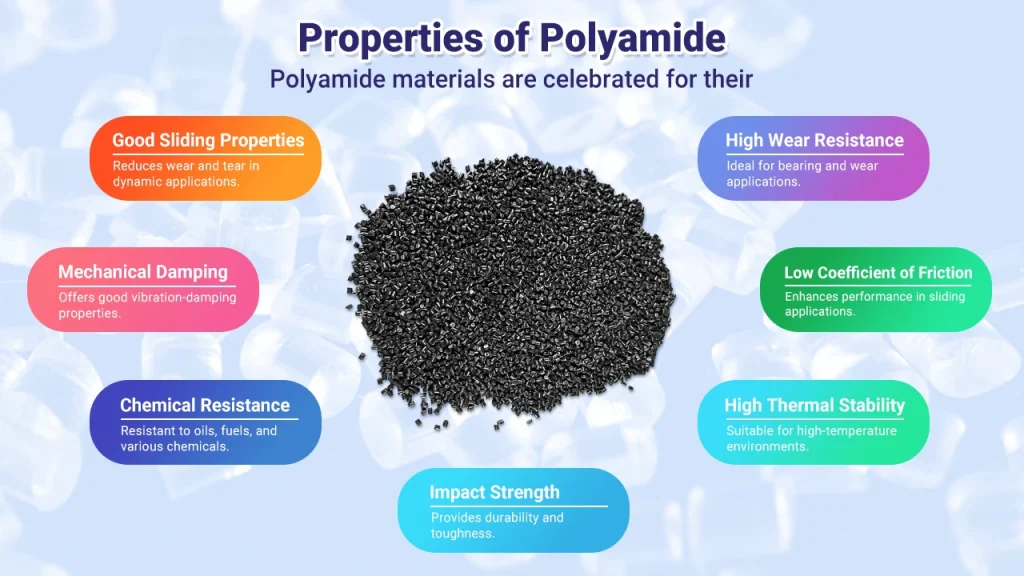
| Excellent Chemical and Oil Resistance: Resistant to common oils, greases, cleaning agents, and other chemicals.
| Good Electrical Insulation: Suitable for insulating and protecting electrical and electronic components.
| Ease of Processing: Easy to injection mold, suitable for manufacturing complex-shaped parts, offering high processing efficiency and relatively controllable costs.
| Lightweight: Compared to metals (especially aluminum alloys), it has a lower density (approximately 1.3-1.5 g/cm³ after reinforcement), helping to reduce the overall robot weight, lower energy consumption, and improve agility and operational endurance.
Disadvantages of Modified PA6 (Polyamide 6)
| Moisture Absorption: Polyamide 6’s moisture absorption can lead to dimensional changes and performance degradation (strength reduction, toughness increase). Design must account for hygroscopic expansion; critical dimensional areas may require post-processing (conditioning) or the use of materials with lower moisture absorption.
| Long-Term Heat Resistance: Although improved by reinforcement, its long-term service temperature (e.g., >120°C) remains lower than high-temperature engineering plastics like PEEK and PPS. Suitable grades must be selected based on the operating environment temperature.
| Cost: High-performance modified grades (e.g., high CF content reinforcement, special flame retardant) are relatively costly, requiring a balance between performance and cost considerations.
Types of Modified PA6 (Polyamide 6)
| Glass Fiber Reinforced: Most common. Improves strength, stiffness, heat resistance, and dimensional stability. Used in structural parts, housings, fan impellers, etc.
| Carbon Fiber Reinforced: Higher strength, stiffness, lower density, excellent creep resistance, and dimensional stability, with conductivity. Used for high-end, extremely lightweight critical structural components (higher cost).
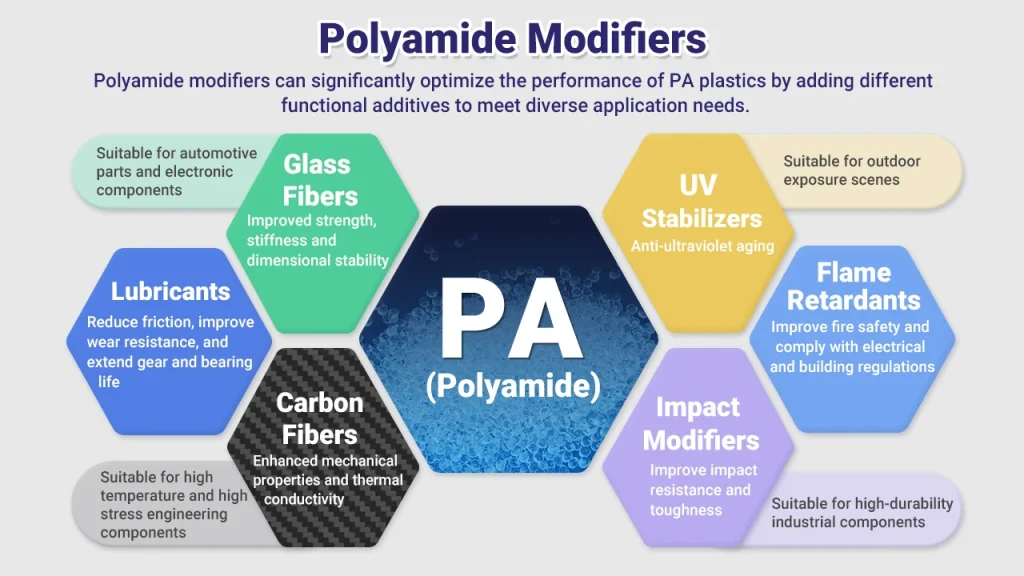
| Toughened Modification: Significantly improves impact toughness, especially low-temperature toughness. Used in housings, covers, and hand/finger parts prone to impact.
| Wear-Resistant/Lubrication Modification: Additives like PTFE, silicone oil, MoS2, graphite. Used in gears, bearings, bushings, and other friction/wear moving parts.
| Weather/UV Resistant Modification: Addition of UV absorbers and stabilizers. Used in external components potentially exposed to light.
| Laser Welding Specific Modification: Addition of special agents enabling PA6 parts to be seamlessly joined via laser welding.
Specific Applications of Modified PA6 in Humanoid Robots
Structural Framework & Joint Components
| Joint Housings/Connectors: High GF/CF reinforced PA6 (e.g., PA6+30%GF/CF) is ideal for manufacturing housings, bearing seats, and connecting brackets for critical joints like shoulders, elbows, hips, and knees. Provides sufficient stiffness and strength to support loads while reducing weight. Examples include certain robot arm joint housings and thigh connectors.
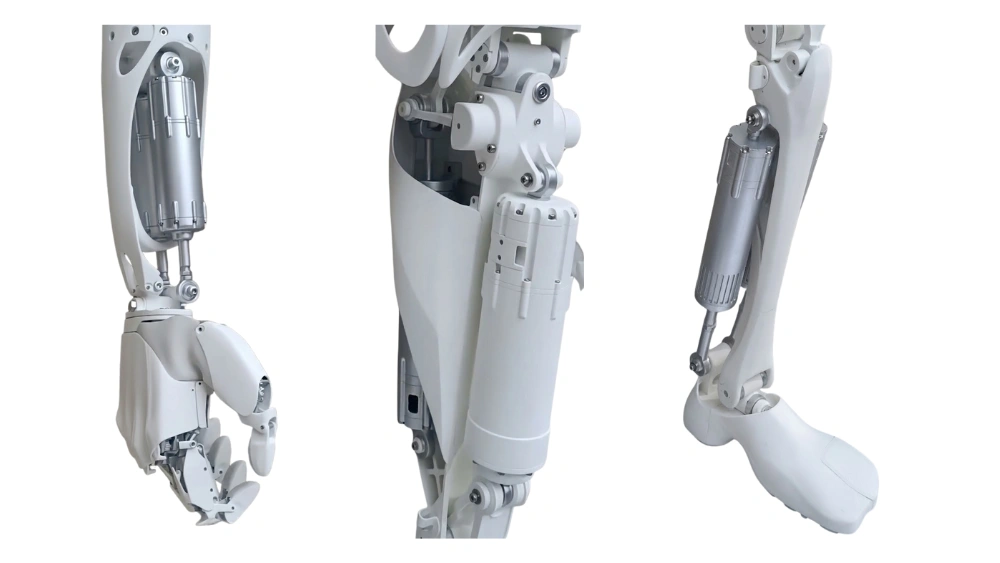
| Internal Skeleton/Support Structures: Reinforced Polyamide 6 can partially replace metals in non-core load-bearing or weight-sensitive internal support structures.
Transmission System Components
| Gears: Wear-resistant and lubrication-modified Polyamide 6 (e.g., with PTFE, silicone oil, or MoS2) is widely used for reduction gears, timing pulleys, etc. Its self-lubricating properties reduce noise, wear, and maintenance needs, especially suitable for small-to-medium, low-load, or quiet transmission applications.
| Bearing Cages/Bushings: Wear-resistant, low-friction, chemically resistant PA6 is a good choice for sliding bearing bushings and needle roller bearing cages.
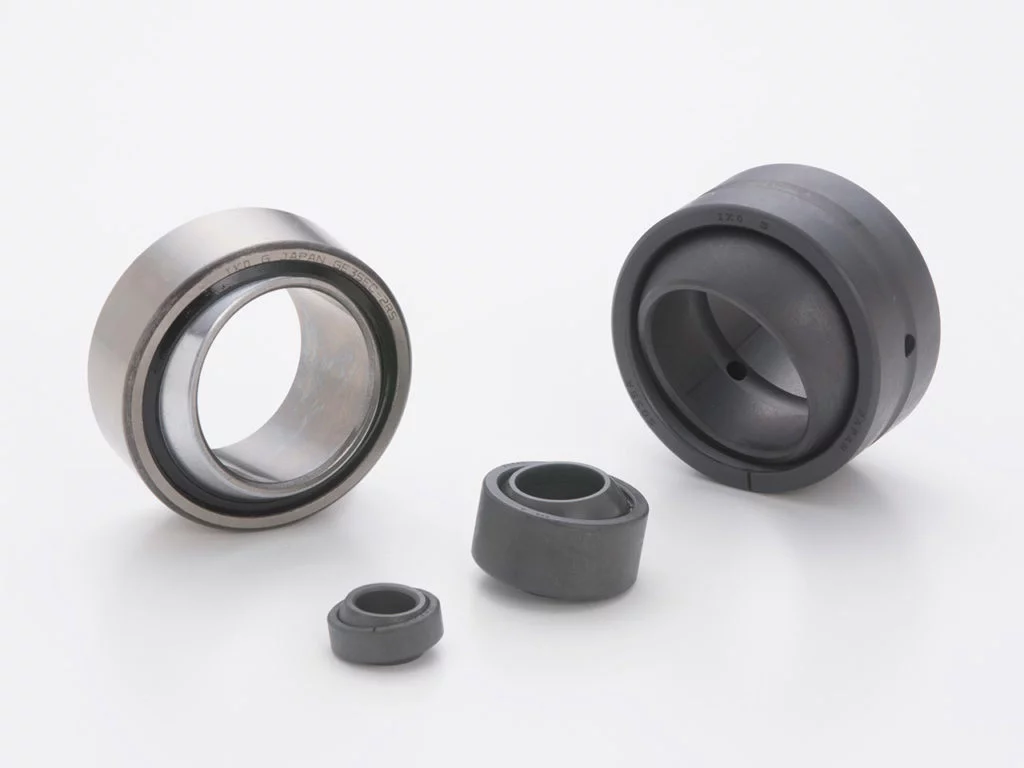
| Lead Screw Nuts/Ball Nuts: In some light-load or noise-sensitive linear drive mechanisms, modified Polyamide 6 can replace metal nuts.
Housings & Covers
| Body Housings/Protective Panels: Super-tough PA6 (toughened) or GF-reinforced PA6 is used for the robot’s torso, arm, and leg housings. Provides impact protection, aesthetic surface finish (suitable for painting, plating), and weight reduction. Requires a balance of toughness and moderate rigidity.
| Hand/Finger Housings: Require high toughness, and super-tough Polyamide 6 is commonly used.
| Head Housing: High aesthetic demands often lead to the selection of modified PA6 grades suitable for painting, high gloss, or special tactile finishes.
Functional Components
| Cooling Fan Impellers: GF-reinforced Polyamide 6, due to its good strength, stiffness, heat resistance, and moldability, is commonly used for motor cooling fan impellers.
| Cable Management/Ties/Fixing Clamps: PA6’s toughness, strength, and chemical resistance make it ideal for cable clamps, zip ties, and wire channels.
| Sensor Brackets/Housings: Modified Polyamide 6 is suitable for components requiring insulation, lightweight, certain strength, and precision.
Electrical & Electronic Components
| Circuit Board Brackets/Insulating Parts: Utilizes its insulation properties and ease of molding.
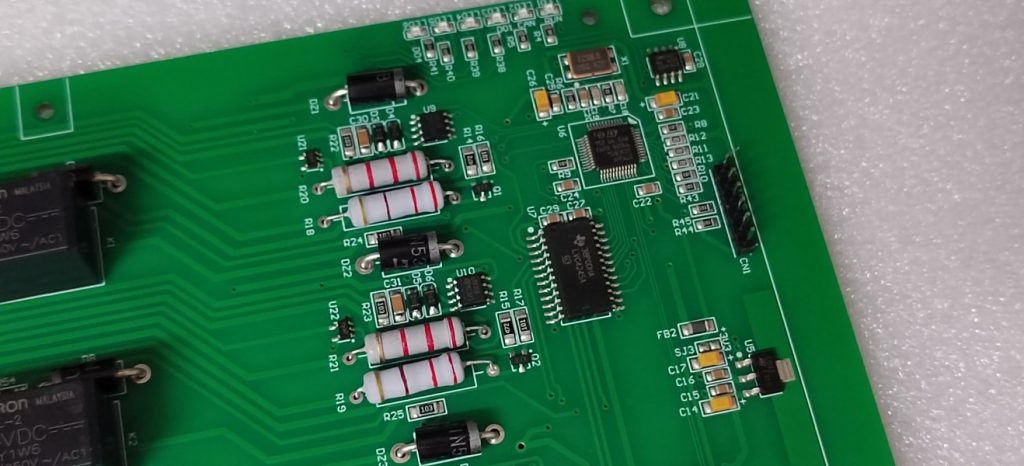
| Connector Housings: Flame-retardant modified Polyamide 6 (FR-PA6, typically requiring UL94 V-0) is a standard material for various electrical connector housings, ensuring electrical safety.
Comparison of PA6, Magnesium Alloy, and PEEK
| Material | Density (g/cm³) | Tensile Strength (MPa) | Specific Strength (MPa/(g/cm³)) | Heat Resistance (℃) | Processing Difficulty |
| PA6 | 1.15-1.2 | 50-80 | 41.7-70 | Medium | Low |
| Magnesium Alloy | 1.7-1.8 | 220-343 | 122-196 | Medium | High |
| PEEK | 1.3-1.5 | 100-170 | 66.7-130 | High | High |
Conclusion
Modified PA6, with its exceptional strength, stiffness, toughness, wear resistance, processability, and lightweight characteristics, has become an indispensable engineering plastic in humanoid robot manufacturing. It plays a vital role in key areas such as structural components, joint parts, transmission gears, housings, and electrical connectors.
Insights from AI Robots Eidos Regarding Modified Polyamide 6 in Humanoid Robots
Currently, modified Polyamide 6 achieves functional customization through the addition of different fillers, and it may evolve into an environmentally responsive smart material in the future. For instance, nanotechnology could enable the PA6 matrix to actively adjust its modulus or friction coefficient in response to changes in temperature, humidity, or stress. This would allow for adaptive adjustments in joint stiffness, providing humanoid robots with dynamic mechanical properties similar to those of biological tissues.
As a recyclable engineering plastic, PA6 will highlight the value of green material economics as the robotics industry scales up. Compared to carbon fiber or metals, modified PA6 offers advantages in closed-loop recycling and low-temperature processing energy consumption, potentially making it a strategic choice to meet ESG requirements. In the future, robot products may be labeled with a “material recyclability rate,” establishing a new dimension of technological competition.
Image Credits: Firstmold & Wanhan-plastic & Pibsales & Syzrodends & Linkedin