
Table of Contents
PC ABS material (Polycarbonate/Acrylonitrile Butadiene Styrene), a high-performance engineering plastic used in humanoid robots, is emerging as a crucial solution for structural components due to its balanced advantages in “strength, toughness, and processability.” It provides essential material support for the commercial viability of robots.
Definition of a “Balanced” Structural Material
Beyond core components that demand extreme lightweighting, numerous structural parts impose more comprehensive requirements on material performance. These materials must possess adequate strength to ensure structural stability, maintain impact resistance to handle complex operating conditions, and offer ease of processing to accommodate diverse designs.
Definition of PC ABS Material
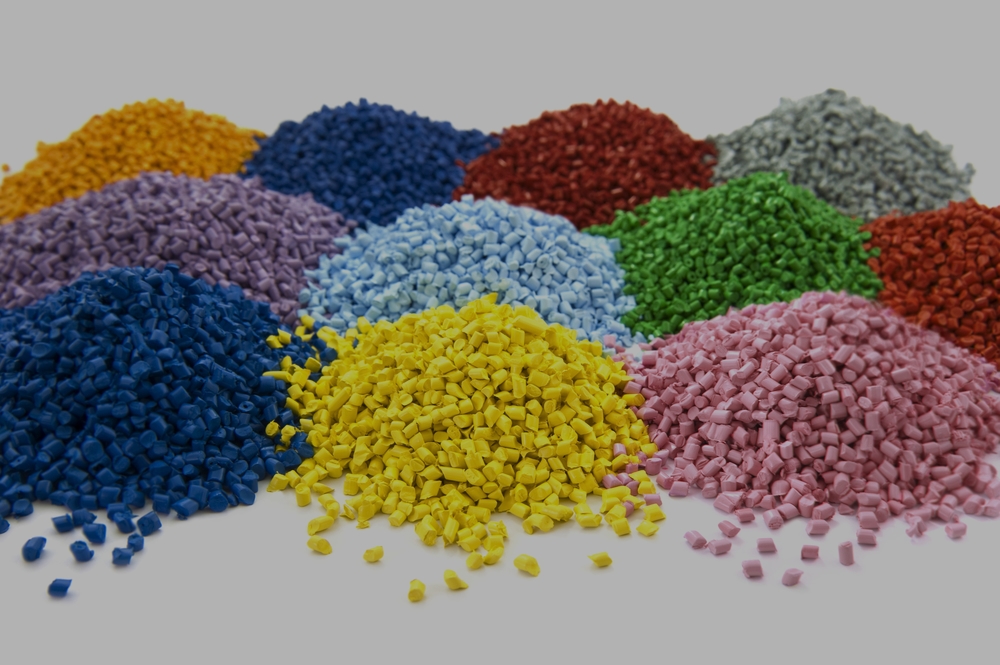
PC ABS material is a thermoplastic alloy created through melt blending or chemical modification processes, combining Polycarbonate (PC) and Acrylonitrile Butadiene Styrene (ABS). It integrates the high strength, excellent heat resistance, and impact resistance of PC with the superior processability, toughness, and surface gloss of ABS. This results in an engineering plastic with outstanding overall performance, widely used in fields like humanoid robots and automotive manufacturing, especially suitable for components with high demands for both performance and aesthetics.
Why Do Humanoid Robots Need “Balanced” Structural Materials?
As AI humanoid robots expand into scenarios like domestic service and industrial collaboration, their structural components face increasingly complex operating environments. The singular pursuit of lightweighting or high strength is no longer sufficient, making “balanced performance” the core requirement:
| Structural Stability and Impact Resistance Requirements: During movement, robots inevitably encounter collisions (e.g., with furniture in homes or equipment in industrial settings). Structural parts must possess sufficient rigidity to maintain shape stability and excellent toughness to absorb impact energy, preventing breakage or cracking. For instance, components like the robot’s torso shell or arm casing, if made from overly brittle materials, can easily shatter upon impact. This not only disrupts normal operation but also poses safety hazards.
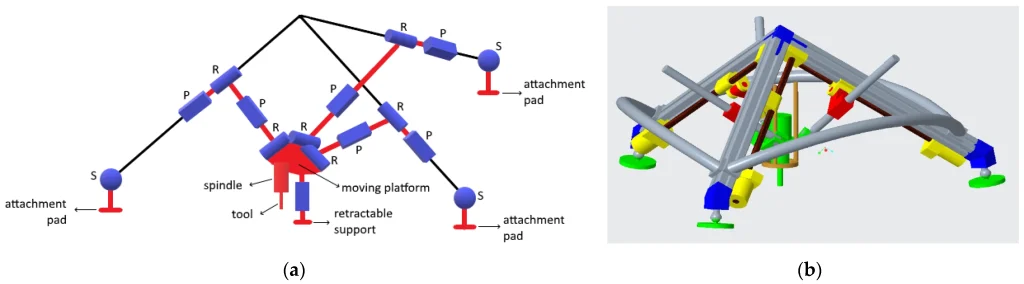
| Processing Efficiency and Cost Control: Humanoid robot structural parts are often non-standard, complex shapes (e.g., joint guards, sensor mounting brackets) and require mass production for commercialization. Materials must exhibit good molding fluidity to enable rapid manufacturing of high-precision components via injection molding and tooling, while maintaining reasonable cost. Using high-end specialty plastics like PEEK for all structural parts would significantly increase the overall robot cost, hindering large-scale adoption.
| Adaptability to Complex Operating Conditions: Different application scenarios impose significantly varying demands on material environmental resistance. In domestic settings, components may contact detergents or warm water, while industrial environments may involve temperature fluctuations (e.g., heat dissipation from workshop equipment). This requires structural materials to possess a degree of chemical and heat resistance, without excessively pursuing extreme performance that would drive up costs.

Why Is PC ABS Material Well-Suited for Humanoid Robot Structural Components?
Through the alloying modification of PC and ABS, PC ABS merges the advantages of both materials: PC contributes high strength, heat resistance, and impact resistance, while ABS enhances processing fluidity, chemical resistance, and cost-effectiveness. Its comprehensive performance perfectly matches the “balanced needs” of humanoid robot structural parts. The following analysis combines specific performance metrics and application scenarios:
Balanced Mechanical Properties
The mechanical properties of PC ABS material reside in a balanced range of “high strength and high toughness,” supporting both structural stability and collision resistance. Its tensile strength can reach 50-70 MPa, and its flexural modulus is approximately 2000-2500 MPa, sufficient to meet the load-bearing requirements of structural parts like torsos and arms. More critically, its notched impact strength (at 23°C) can reach 50-80 kJ/m², significantly higher than pure PC (~20-40 kJ/m²) and common engineering plastics (e.g., Nylon 6, ~10-20 kJ/m²).
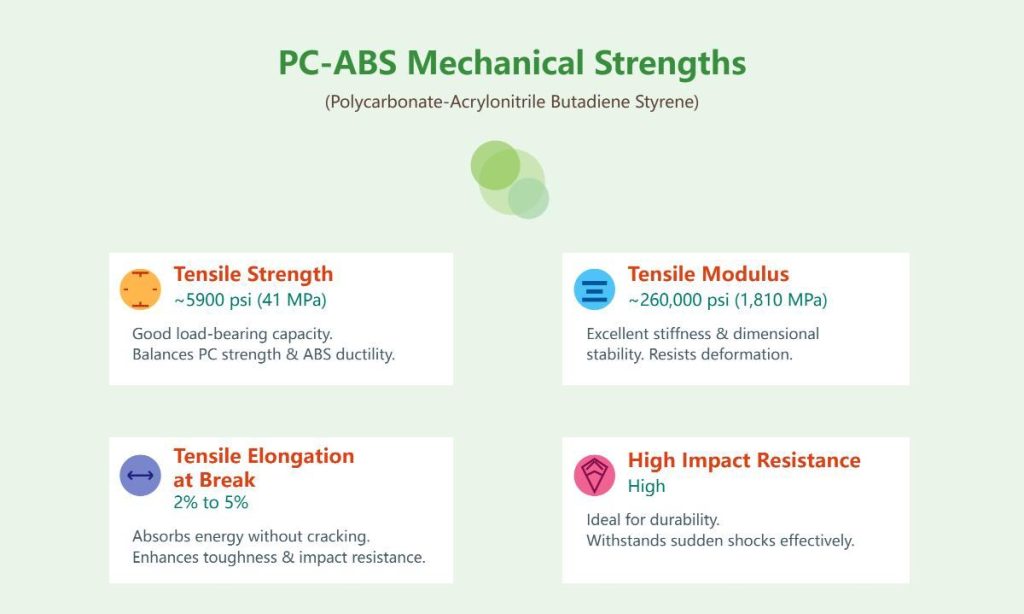
Even in low-temperature environments (-30°C), the impact strength can remain above 30 kJ/m², preventing brittle fracture of structural components during operation in low-temperature scenarios (e.g., cold chain warehouses).
For example, a robot’s waist connection structure must simultaneously bear the upper body’s weight and movement torque. The rigidity of PC/ABS ensures connection stability, while its high impact resistance handles instantaneous stress shocks during bending or turning, extending component lifespan.
Excellent Processing Performance
Compared to pure PC (high melt viscosity, difficult molding), the addition of ABS significantly improves the melt flowability of PC ABS material. This allows production of complex structural parts via conventional injection molding, even enabling one-step molding of high-precision components with features like ribs, clips, and cutouts (e.g., sensor housings, joint guards), eliminating the need for secondary processing and improving processing efficiency by over 30%. Simultaneously, PC/ABS has low shrinkage (~0.5%-0.8%), resulting in high dimensional stability of molded parts and avoiding assembly issues due to dimensional deviations—a critical factor for humanoid robots where “hundreds of components must work in coordination.”
From a cost perspective, the unit price of PC/ABS material is approximately only 1/50 to 1/100 that of PEEK. Moreover, it requires no special modifications to processing equipment (standard injection molding machines suffice), significantly reducing material costs and production equipment investment for structural parts, thereby providing cost support for large-scale robot manufacturing.
Environmental Resistance Compatibility
PC ABS material exhibits good heat and chemical resistance. Its heat deflection temperature (under 1.82 MPa load) is approximately 110-130°C, enabling it to withstand heat from robot motor dissipation and environmental temperature fluctuations without softening or deforming. Regarding chemical resistance, it performs well against common household detergents (e.g., neutral laundry liquid, dish soap) and industrial substances like lubricants and alcohol, resisting cracking or discoloration even with prolonged contact, making it suitable for multi-scenario use in domestic service and industrial collaboration.
Aesthetic and Customization Potential
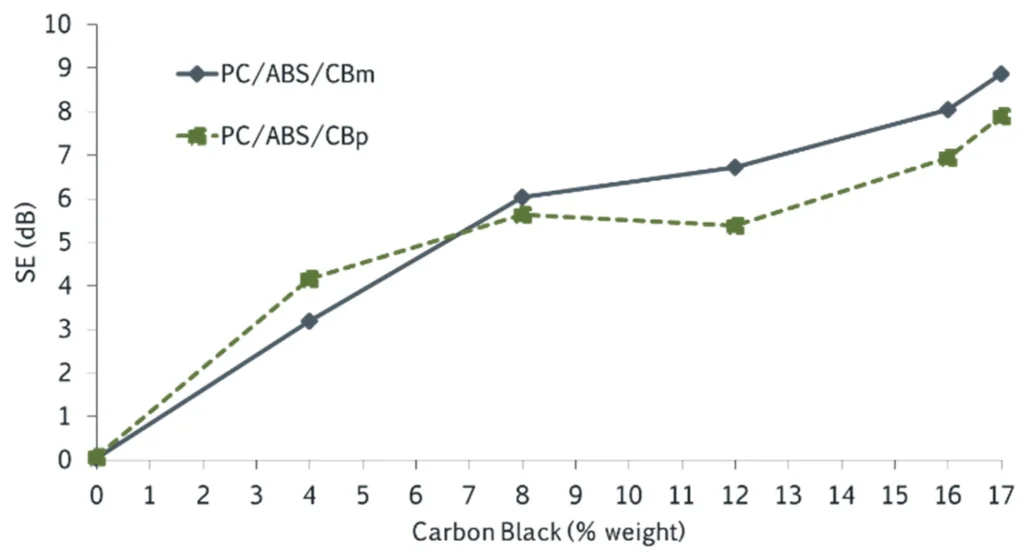
PC ABS material can achieve diverse aesthetic effects through coloring and surface treatments (e.g., painting, plating, texture embossing), meeting both the aesthetic need for “simple white shells” in domestic settings and the requirement for “scratch-resistant metallic-finish shells” in industrial scenarios via plating. Furthermore, by adding reinforcing materials like glass or carbon fibers, its rigidity and heat resistance can be further enhanced (e.g., glass fiber-reinforced PC/ABS can achieve a flexural modulus over 3000 MPa and a heat deflection temperature above 140°C), adapting to the performance upgrade needs of different structural parts. For instance, a robot’s gripping structure may require higher rigidity and could use 20%-30% glass fiber-reinforced PC/ABS, while the torso shell might use standard PC/ABS to balance appearance and cost.
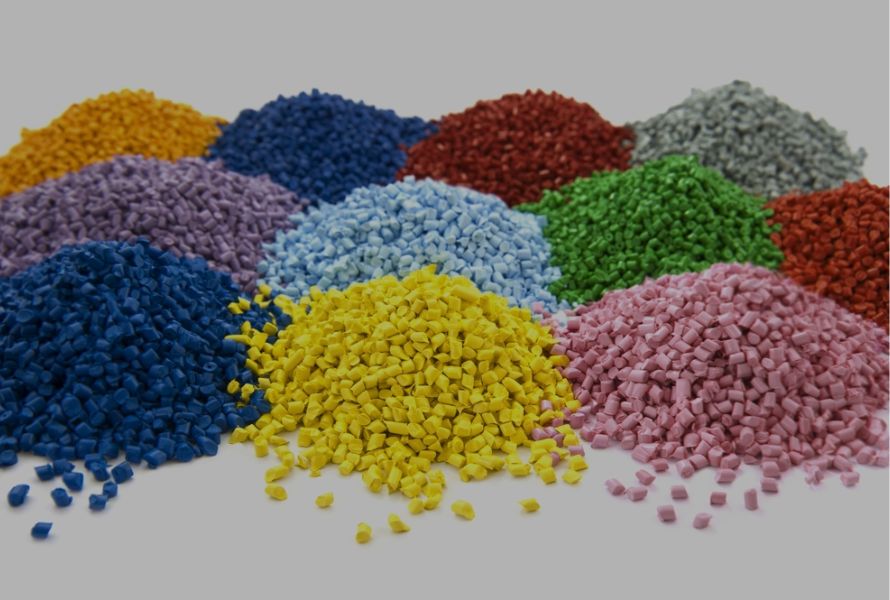
PC ABS Material Product Specifications (For Reference)
| Grade | Specification | Product Characteristics |
| General Purpose PC/ABS | PC-330K/KL | Low-temperature impact resistance |
| PC-345K/KL | Plating grade | |
| PC-345K/KL | High impact resistance | |
| PC-385K/KL | High heat resistance |
Insight from AI Robots Eidos about PC ABS Material
In the humanoid robot industry’s pursuit of balancing “performance, cost, and mass production,” while PC ABS material may not possess absolute advantages in lightweighting or extreme performance like PEEK, its comprehensive characteristics—”balanced mechanics, convenient processing, controllable cost, and scenario adaptability”—make it an ideal choice for structural components.
Against the backdrop of accelerating humanoid robot commercialization, PC ABS material will collaborate in a “division of labor” with materials like PEEK and modified PA 6, jointly building a material solution framework characterized by “high performance, low cost, and easy mass production” to propel humanoid robots into everyday life and industrial operations.
Image Credits: Sybridge & Mdpi & Machinemfg & Europlas